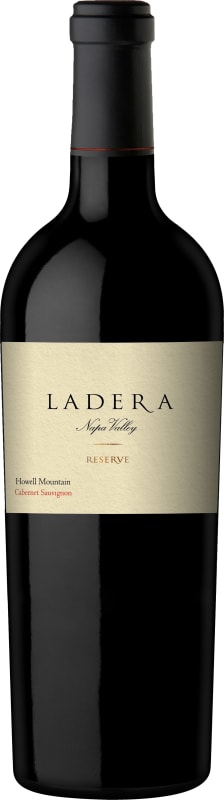


Winemaker Notes
The Ladera Reserve Cabernet Sauvignon displays a deep, ruby color with gorgeous aromas of black cherries and raspberry preserve with subtle notes of nutmeg and raw cacao. As the wine opens up, pervasive notes of potpourri and crushed stone add dimension and intrigue. The concentrated, well-structured palate is rich and pure with ripe black fruits, supple tannins finishing with a refreshing beam of acidity. Deserving of time, decant or cellar this wine to enjoy its full potential.
Professional Ratings
-
Tasting Panel
Ladera is Spanish for “hillside,” and this winery lives up to its name with its wonderful interpretations of mountain fruit. Winemaker Jade Barrett refers to 2016 as “one of those classic vintages in Napa Valley, with no serious heat spikes or threat of rain. Our Cabernet Sauvignon was able to mature gradually.” Thanks to that maturity, luxury comes in via a blissfully generous array of black and blue fruit. While dark chocolate paints the palate, sturdy tannins are bound with fine acidity and a balanced richness.
-
Wine Enthusiast
Made from the vintage’s best lots, this reserve-worthy wine is pungent in turned earth, sage and tobacco. Thick, structured tannins provide a sturdy foundation for chalky texture and notes of dark chocolate, rich black cherry and blackberry to brood.
-
Wine Spectator
This sports a very solid core of cassis, cherry puree and plum reduction that is both dense and bright, with racy red licorice and sweet spice notes filling in from behind. There's a sappy feel on the finish, with tongue-coating fruit and grip, but this shows the cut and drive for balance.
-
Wilfred Wong of Wine.com
COMMENTARY: The 2016 Ladera Reserve Cabernet Sauvignon offers excellent extraction that stays balanced and delectable through the wine's finish. TASTING NOTES: This wine shows up with attractive black fruit, dried earth, savory spices, and oak in its aromas and flavors. Enjoy it with a well-marbled, grilled ribeye. (Tasted: November 16, 2020, San Francisco, CA)


A noble variety bestowed with both power and concentration, Cabernet Sauvignon enjoys success all over the globe, its best examples showing potential to age beautifully for decades. Cabernet Sauvignon flourishes in Bordeaux's Medoc where it is often blended with Merlot and smaller amounts of some combination of Cabernet Franc, Malbecand Petit Verdot. In the Napa Valley, ‘Cab’ is responsible for some of the world’s most prestigious, age-worthy and sought-after “cult” wines. Somm Secret—DNA profiling in 1997 revealed that Cabernet Sauvignon was born from a spontaneous crossing of Cabernet Franc and Sauvignon Blanc in 17th century southwest France.

Today Cabernet Sauvignon is the star of this part of Napa’s rugged, eastern hills, but Zinfandel was responsible for giving the Howell Mountain growing area its original fame in the late 1800s.
Winemaking in Howell Mountain was abandoned during Prohibition, and wasn’t reawakened until the arrival of Randy Dunn, a talented winemaker famous for the success of Caymus in the 1970s and 1980s. In the early eighties, he set his sights on the Napa hills and subsequently astonished the wine world with a Howell Mountain Cabernet Sauvignon. Shortly thereafter Howell Mountain became officially recognized as the first sub-region of Napa Valley (1983).
With vineyards at 1,400 to 2,000 feet in elevation, they predominantly sit above the fog line but the days in Howell Mountain remain cooler than those in the heart of the valley, giving the grapes a bit more time on the vine.
The Howell Mountain AVA includes 1,000 acres of vineyards interspersed by forestlands in the Vaca Mountains. The soils, shallow and infertile with good drainage, are volcanic ash and red clay and produce highly concentrated berries with thick skins. The resulting wines are full of structure and potential to age.
Today Cabernet Sauvignon, Merlot and Petite Sirah thrive in this sub-appellation, as well as its founding variety, Zinfandel.