

Winemaker Notes
Professional Ratings
-
Robert Parker's Wine Advocate
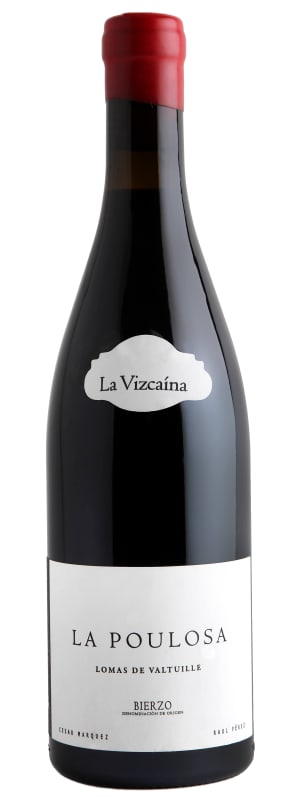
La Poulosa is quite regular and ripe, with notes of prunes, and even though there is more freshness in 2018, the 2018 La Vizcaína La Poulosa shows closer to the 2017, keeping the profile of the vineyard, which is very strong. In fact, there is only half a degree difference in alcohol between this 2018 and the 2017. There is more fruit here, and it's juicy and approachable, with integrated oak (they started replacing the 225-liter oak barrels with 500-liter ones), more freshness and a livelier palate. The tannins are round, with no edges, despite the fact that all the La Vizcaína range ferments with 100% full clusters.


Primarily found in the Bierzo, Ribeira Sacra and Valdeorras regions of Spain and in the Dão of Portugal (where it is called Jaen), Mencia is an early ripening, low acid grape that can produce wines of great concentration, complexity and ageability. And yet Mencia once suffered from a poor reputation and deemed capable of producing simple and light red wines. Post-phylloxera growers would grow this variety on low, fertile plains, which produced high yields and uncomplicated finished wines. Somm Secret—The recent rediscovery of the ancient, abandoned vines planted on rugged hillsides of deep schist has unveiled the potential of Mencia and added discredit to its old reputation.

One of the few northwestern Spanish regions with a focus on a red variety, Bierzo, part of Castilla y León, is home to the flowery and fruity Mencia grape. Mencia produces balanced and bright red wines full of strawberry, raspberry, pomegranate, baking spice, pepper and black licorice. The well-drained soils of Bierzo are slate and granite.