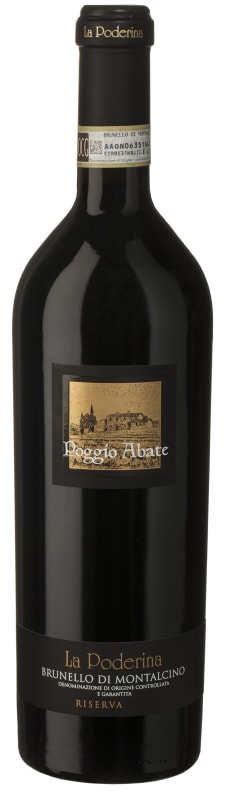


Winemaker Notes
Deep ruby red color. Intense, complex nose with notes of dark berries, licorice and tobacco, together with ethereal, smoky sensations. On the palate it is smooth, with a great structure and balance, full of flavors, especially savory herbs and licorice. Firm tannins and a long powerful finish.
Ideal with red and white roast meats, poultry, game and aged cheese.
Professional Ratings
-
James Suckling
Beguiling leafy nose of peppermint, licorice and red currants. Fresh style supported on the palate by a soft attack with integrated, lifted acidity, silky tannins and a full body. The wine is savory and vibrant, leaner than expected but with a polished finish. Slightly less integrated alcohol. Otherwise a contemporary Brunello that’s a respectful style for the 2018 vintage.
-
Wine Enthusiast
The nose is a medley of vanilla bean, candied walnuts, black sesame, hibiscus tea and sweet wild strawberry, while the palate keeps running with sweet wild berries and vanilla for a while before eventually shifting focus to latent salty, savory, earthy notes.
-
Jeb Dunnuck
The 2018 Brunello Di Montalcino Riserva Poggio Abate pours a deep red color with a hint of garnet and leads with attractive notes of blood orange oils, menthol, dried cherries, and dried Mediterranean herbs. Medium to full-bodied, it has a sanguine feel with an iron-rich mineral tone, a touch of game, ripe tannins, and a rich, angular feel. It’s going to need another year in bottle. Drink 2025-2035.
-
Robert Parker's Wine Advocate
Pouring forth from a heavy glass bottle, the La Poderina 2018 Brunello di Montalcino Riserva Poggio Abate has aromas of exotic teak wood, perfumed oak, dried fruit, cassis, sun-dried tomato, terracotta, baked clay, ripe plum, church intense, chrysanthemum tea or something very floral. You get a lot on the bouquet, although the mouthfeel is a little shorter and not as articulate.
-
Vinous
From the first tilt of the glass, there’s no denying this is La Poderina, as the 2018 Brunello di Montalcino Riserva Poggio Abate opens with their textbook display of dried violets, lavender and spiced blackberries. It’s silky-smooth with juicy acidity and crisp wild berry fruits that cascade throughout. This leaves a slightly bitter tinge while finishing long and staining with edgy tannins that tug at the cheeks. The 2018 comes across as a bit dried out through the finale, yet it’s otherwise a pleasurable effort. One day, I will need to figure out why nearly every wine from this estate shows an almost identical bouquet.


Among Italy's elite red grape varieties, Sangiovese has the perfect intersection of bright red fruit and savory earthiness and is responsible for the best red wines of Tuscany. While it is best known as the chief component of Chianti, it is also the main grape in Vino Nobile di Montepulciano and reaches the height of its power and intensity in the complex, long-lived Brunello di Montalcino. Somm Secret—Sangiovese doubles under the alias, Nielluccio, on the French island of Corsica where it produces distinctly floral and refreshing reds and rosés.

Famous for its bold, layered and long-lived red, Brunello di Montalcino, the town of Montalcino is about 70 miles south of Florence, and has a warmer and drier climate than that of its neighbor, Chianti. The Sangiovese grape is king here, as it is in Chianti, but Montalcino has its own clone called Brunello.
The Brunello vineyards of Montalcino blanket the rolling hills surrounding the village and fan out at various elevations, creating the potential for Brunello wines expressing different styles. From the valleys, where deeper deposits of clay are found, come wines typically bolder, more concentrated and rich in opulent black fruit. The hillside vineyards produce wines more concentrated in red fruits and floral aromas; these sites reach up to over 1,600 feet and have shallow soils of rocks and shale.
Brunello di Montalcino by law must be aged a minimum of four years, including two years in barrel before realease and once released, typically needs more time in bottle for its drinking potential to be fully reached. The good news is that Montalcino makes a “baby brother” version. The wines called Rosso di Montalcino are often made from younger vines, aged for about a year before release, offer extraordinary values and are ready to drink young.