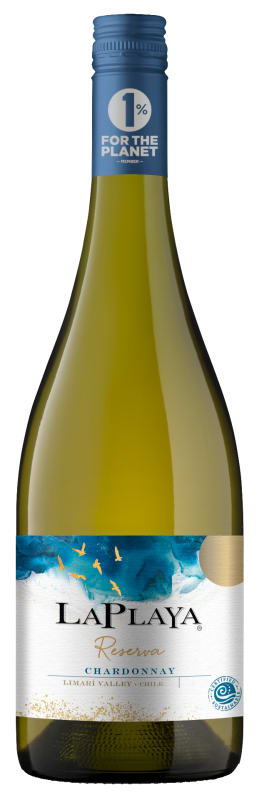


Winemaker Notes
Intense, crystalline, and bright yellow color. On the nose, it shows intensity with aromas of white peach and quince, notes of white flowers, as well as mineral aromas that characterize the growing region. On the palate, it is fresh, with a great combination of structure and fruitiness, along with a saline taste, typical of the place of origin, which gives it a fresh and long finish.
Pair with pasta and risotto, fish, vegetables, and salads.
Professional Ratings
-
James Suckling
Fresh pears, sliced apples, waxed lemons and white flowers on the nose. Crisp and clean with a medium body and straightforward finish. Vegan.


One of the most popular and versatile white wine grapes, Chardonnay offers a wide range of flavors and styles depending on where it is grown and how it is made. While it tends to flourish in most environments, Chardonnay from its Burgundian homeland produces some of the most remarkable and longest lived examples. California produces both oaky, buttery styles and leaner, European-inspired wines. Somm Secret—The Burgundian subregion of Chablis, while typically using older oak barrels, produces a bright style similar to the unoaked style. Anyone who doesn't like oaky Chardonnay would likely enjoy Chablis.

Part of the Coquimbo region and a key location for pisco production, the Limari Valley is one of the northern most wine producing regions of Chile. The other two, also part of Coquimbo, are the Elqui and less-developed Choapa Valleys. While more vineyard area is dedicated to pisco production (via the grapes of Muscat of Alexandria, Pedro Jimenez, Moscatel de Asturia and Torontel), the acreage under vine for still wine production has increased. The intense sunlight in the Limari Valley, coupled with little rainfall as well as the cooling effect of the Humboldt Current from the Pacifc Ocean, all make the area ideal for cool climate grapes like Chardonnay and Pinot noir.