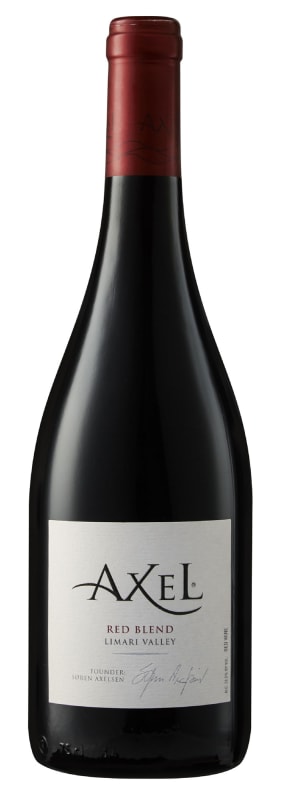


Winemaker Notes
This Red Blend has notes of blackberry jam and allspice, with sleek tannins and a sumptuous fruit finish. Certified Sustainable and Certified Vegan.
Professional Ratings
-
Robert Parker's Wine Advocate
The nose of the 2017 Axel Red Blend screams of Syrah, which is the main variety in the blend, which only contains some 4% Petite Sirah and 3% Cabernet Sauvignon. Despite the warmer conditions of 2017, the wine still maintains its freshness and poise, with a Mediterranean nose of aromatic herbs and black olives. It has a medium to full-bodied palate with abundant, fine-grained tannins. It was produced with fruit from Limarí and matured in oak foudres and barriques for 16 months. 12,300 bottles were filled in March 2019.
-
Tasting Panel
Dark ruby color; earthy nose; smooth and bright with black raspberry and cassis fruit, rich, spicy and juicy with clean, balanced structure; fresh and tangy, crisp and stylish; lively and long.


With hundreds of red grape varieties to choose from, winemakers have the freedom to create a virtually endless assortment of blended red wines. In many European regions, strict laws are in place determining the set of varieties that may be used, but in the New World, experimentation is permitted and encouraged resulting in a wide variety of red wine styles. Blending can be utilized to enhance balance or create complexity, lending different layers of flavors and aromas. For example, a red wine blend variety that creates a fruity and full-bodied wine would do well combined with one that is naturally high in acidity and tannins. Sometimes small amounts of a particular variety are added to boost color or aromatics. Blending can take place before or after fermentation, with the latter, more popular option giving more control to the winemaker over the final qualities of the wine.
How to Serve Red Wine
A common piece of advice is to serve red wine at “room temperature,” but this suggestion is imprecise. After all, room temperature in January is likely to be quite different than in August, even considering the possible effect of central heating and air conditioning systems. The proper temperature to aim for is 55° F to 60° F for lighter-bodied reds and 60° F to 65° F for fuller-bodied wines.
How Long Does Red Wine Last?
Once opened and re-corked, a bottle stored in a cool, dark environment (like your fridge) will stay fresh and nicely drinkable for a day or two. There are products available that can extend that period by a couple of days. As for unopened bottles, optimal storage means keeping them on their sides in a moderately humid environment at about 57° F. Red wines stored in this manner will stay good – and possibly improve – for anywhere from one year to multiple decades. Assessing how long to hold on to a bottle is a complicated science. If you are planning long-term storage of your reds, seek the advice of a wine professional.

Part of the Coquimbo region and a key location for pisco production, the Limari Valley is one of the northern most wine producing regions of Chile. The other two, also part of Coquimbo, are the Elqui and less-developed Choapa Valleys. While more vineyard area is dedicated to pisco production (via the grapes of Muscat of Alexandria, Pedro Jimenez, Moscatel de Asturia and Torontel), the acreage under vine for still wine production has increased. The intense sunlight in the Limari Valley, coupled with little rainfall as well as the cooling effect of the Humboldt Current from the Pacifc Ocean, all make the area ideal for cool climate grapes like Chardonnay and Pinot noir.