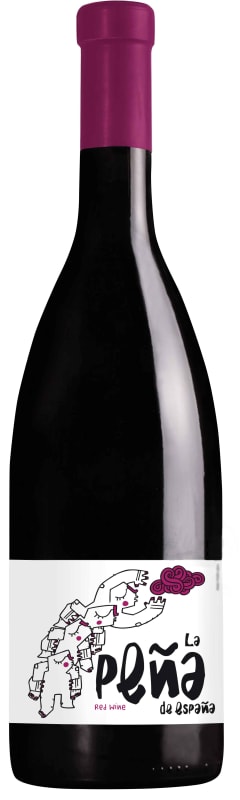


Winemaker Notes
Deep ruby color with violet reflections. On the nose, aromas of fresh red fruit, blue flowers and spices stand out. In the mouth it’s wide, round and tasty.
This is a crowd pleasing wine and very food friendly.
Blend: 34% Garnacha, 33% Monastrell, 33% Syrah
Professional Ratings
-
James Suckling
Dark cherries, berries and some grilled spices. Juicy and medium- to full-bodied on the palate with soft, fine-grained tannins and a lively finish.
-
Wilfred Wong of Wine.com
The 2022 La Pena de Espana Tinto shows Valencia-driven purity. This wine offers aromas and flavors of fragrant spices, hints of nutmeg, and a hint of chalk. Enjoy it with a sausages and chicken stew. (Tasted: February 22, 2025, San Francisco, CA)



With bold fruit flavors and accents of sweet spice, Grenache, Syrah and Mourvèdre form the base of the classic Rhône Red Blend, while Carignan, Cinsault and Counoise often come in to play. Though they originated from France’s southern Rhône Valley, with some creative interpretation, Rhône blends have also become popular in other countries. Somm Secret—Putting their own local spin on the Rhône Red Blend, those from Priorat often include Merlot and Cabernet Sauvignon. In California, it is not uncommon to see Petite Sirah make an appearance.

The Valencia DO wine region is a non-contiguous appellation, with four distinct subzones, surrounding the area beyond Valencia’s capital city. Winemaking in the northern part of this region is dominated by old growing areas surrounding the city. The region was established in 1957.
Historically, bulk wine has been the focal point of the region and cooperatives still handle 85% of total production today. However, winemakers are trying to steadily move away from this and focus more on producing quality wine thanks to a growing group of local innovative winemakers. More importance is being placed on older vines of indigenous (or historic) varieties planted at higher altitudes, which range from 820 - 3,600 feet.
There is growing excitement about the wines being produced from black grapes such as Monastrell, as well as late-ripening white grapes such as Merseguera. The most planted grape, Moscatel de Alejandría, has its own subzone centered around the production of sweet, fortified liqueur wines, called locally Mistela de Moscatel. The region's reds, rosés and whites actually all include dessert wines, each with their own wine-making traditions.