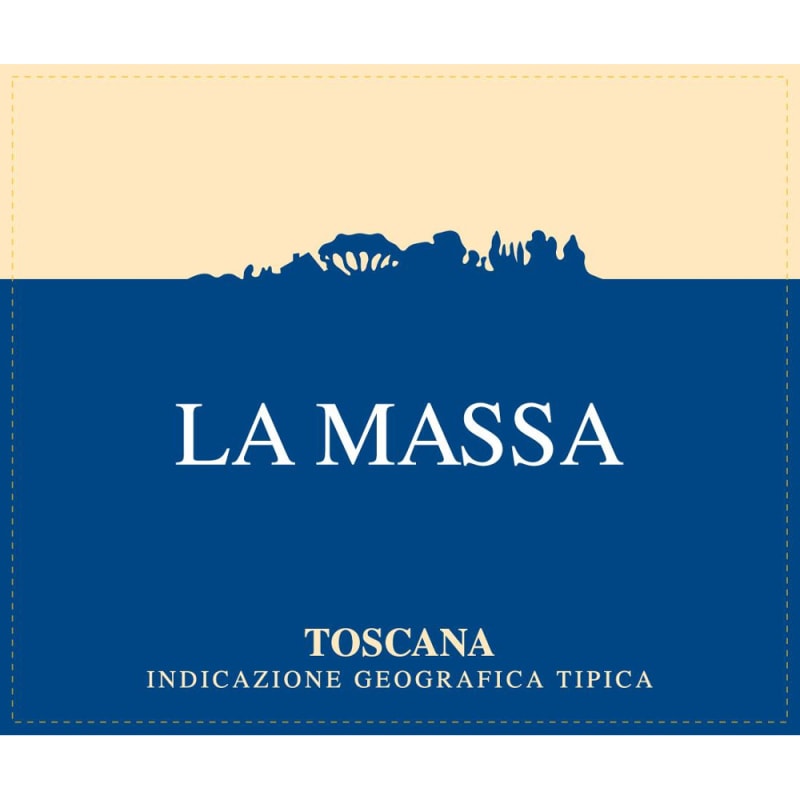

Winemaker Notes
The strict selection of the grapes carried out at theharvest and proper management of fermentation resultedin well-structured wines with good aromatic andpolyphenolic content.The wine matured in French oak barriques of which 40%were new. The process was characterized by an initialperiod of about 10 months in which the wine was held incontact with the fine lees, which were kept active withfrequent batonage (stirring of the lees) and macrooxygenation.
Professional Ratings
-
Robert Parker's Wine Advocate
The 2008 La Massa is a decidedly restrained wine for this house. Dark fruit, minerals and a variety of flowers are layered into an exquisite frame of impeccable elegance and pedigree. The 2008 doesn’t look to be a long-term ager, but it should drink nicely over the next few years while the fruit retains its juiciness. Anticipated maturity: 2010-2016.
-
Wine Spectator
Full-bodied, with gorgeous aromas of crushed raspberry and cassis, fine tannins and an attractive finish. There's very attractive balance to this. Best after 2010.


Legendary in Italy for its Renaissance art and striking landscape, Tuscany is also home to many of the country’s best red wines. Sangiovese reigns supreme here, as either the single varietal, or a dominant player, in almost all of Tuscany’s best.
A remarkable Chianti, named for its region of origin, will have a bright acidity, supple tannins and plenty of cherry fruit character. From the hills and valleys surrounding the medieval village of Montalcino, come the distinguished and age-worthy wines based on Brunello (Sangiovese). Earning global acclaim since the 1970s, the Tuscan Blends are composed solely of international grape varieties or a mix of international and Sangiovese. The wine called Vine Nobile di Montepulciano, composed of Prognolo Gentile (Sangiovese) and is recognized both for finesse and power.