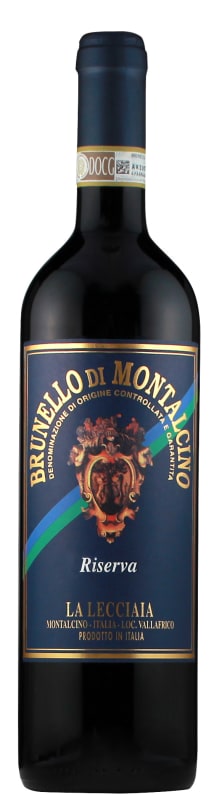


Winemaker Notes
Ruby red with light garnet reflection. Ample, complex, intense with wild berries, spicy. Full body, persistent, slightly tannic, soft, harmonic, and structured.
Professional Ratings
-
James Suckling
Lots of elegance and vibrancy. Aromas of restrained blood oranges, peach peel, fresh red cherries, savory licorice, smoke, woodland and black olives. The palate is soft and silky with a full body, lifted acidity and a savory aftertaste. A sleek wine with fruit concentration and length. Drink or hold.
-
Wine Enthusiast
The nose opens with the lively tang of dried cherries, dried cranberries, blood orange and hibiscus, then anchors in damp earth and herbs. The fruit returns and sweetens on the palate, but that intensity of dried fruit lingers, even in the face of powerful currents of citrus and salinity.
-
Wilfred Wong of Wine.com
Shaped by a cooler, wetter spring, the 2018 La Lecciaia Brunello di Montalcino Riserva emerged with classical poise, offering concentrated red cherry and wild berry fruit layered with dried herbs and earthy nuance, all supported by vibrant acidity and refined tannins. Elegant rather than forceful, it pairs beautifully with veal scaloppini seasoned with crushed fennel seed, rosemary, sage, white pepper, and a touch of lemon, finished with a splash of white wine and butter to echo the wine’s savory depth and lift. (Tasted: March 2, 2026, San Francisco, CA)
-
Jeb Dunnuck
The 2018 Brunello Di Montalcino Riserva pours a more transparent shade of ruby and is lifted and inviting with aromas of wild strawberries, crushed flowers, herbes de Provence, and dusty earth. Elegant and floating on the palate, it's medium-bodied with a slightly leaner frame (which is to be expected in this vintage), but it remains fresh and seamless, with a delicate salty, mouthwatering feel and fine tannins. It's delightful to drink now or over the coming 7-8 years.



Purchased by Mr. Mauro Pacini in 1983 and upgraded with the most advanced winemaking installations, Fattoria la Lecciaia is a wine estate that combines a young, dynamic approach to the wine business, while strictly adhering to the antique traditions of Brunello di Montalcino. Located in "località Vallafrico" and surrounded by the vineyards of some of the most iconic estates of the area, the estate is in the center of the original micro-terroir where the world-famous Brunello di Montalcino was first produced. Fattoria La Lecciaia is a beautiful property of 60 hectares surrounded by the vineyards of some of the oldest and most renowned estates of Montalcino. The estate has 15 hectares of vineyards, of which 12 are registered for the production of Brunello di Montalcino. The rest of the property is under olives groves and woodlands. The unique terroir of this small but world-famous micro-area in the appellation of Montalcino, naturally enhances the scents and the elegance of Sangiovese grapes, allowing Fattoria la Lecciaia to produce the most quintessential "Brunello di Montalcino" wines: classic and intense, suited for long ageing.

Among Italy's elite red grape varieties, Sangiovese has the perfect intersection of bright red fruit and savory earthiness and is responsible for the best red wines of Tuscany. While it is best known as the chief component of Chianti, it is also the main grape in Vino Nobile di Montepulciano and reaches the height of its power and intensity in the complex, long-lived Brunello di Montalcino. Somm Secret—Sangiovese doubles under the alias, Nielluccio, on the French island of Corsica where it produces distinctly floral and refreshing reds and rosés.

Famous for its bold, layered and long-lived red, Brunello di Montalcino, the town of Montalcino is about 70 miles south of Florence, and has a warmer and drier climate than that of its neighbor, Chianti. The Sangiovese grape is king here, as it is in Chianti, but Montalcino has its own clone called Brunello.
The Brunello vineyards of Montalcino blanket the rolling hills surrounding the village and fan out at various elevations, creating the potential for Brunello wines expressing different styles. From the valleys, where deeper deposits of clay are found, come wines typically bolder, more concentrated and rich in opulent black fruit. The hillside vineyards produce wines more concentrated in red fruits and floral aromas; these sites reach up to over 1,600 feet and have shallow soils of rocks and shale.
Brunello di Montalcino by law must be aged a minimum of four years, including two years in barrel before realease and once released, typically needs more time in bottle for its drinking potential to be fully reached. The good news is that Montalcino makes a “baby brother” version. The wines called Rosso di Montalcino are often made from younger vines, aged for about a year before release, offer extraordinary values and are ready to drink young.