

Winemaker Notes
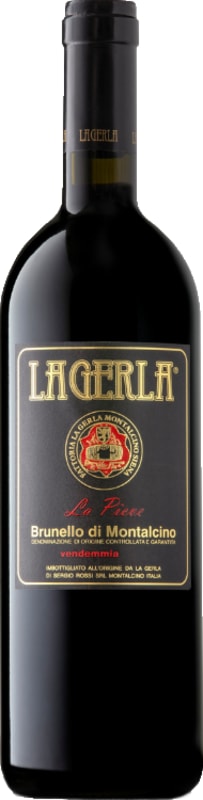
La Pieve is a single-vineyard in Castelnuovo dell'Abate, planted in 1997. It was first released as a special botting in 2017, to celebrate the 20th year of this vineyard. It is aged like the Brunello 'normale' and released at the same time.
Professional Ratings
-
Jeb Dunnuck
The 2020 Brunello Di Montalcino La Pieve has a jeweled red color and offers a fabulous, pure nose of raspberry candies, roses, blood orange, oregano, and dried herbs. Medium-bodied, it offers a linear feel with compact ripeness, refined, coiled tannins, mouthwatering saltiness, and a great long and even finish. Very well done, it's only going to improve if given the chance in the cellar, but it sure is delicious and appealing now. Drink over the coming 15 or more years.
-
Decanter
The 1.5-hectare La Pieve plot is located near Castelnuovo dell’Abate in Montalcino’s southeast. It is a warm, sheltered site that slopes steeply on schisty marl. Forest brush, clove and iron lace through wild cherry, with a richness and readiness to the palate – though another year in bottle wouldn’t hurt. I love the texture; those suede-like Sangiovese tannins caress the palate with confidence, while appetising acidity and lingering accents of dried sage and thyme complete the package. This has me craving wild boar ragu with the region’s homemade pici pasta.
-
Robert Parker's Wine Advocate
The La Gerla 2020 Brunello di Montalcino La Pieve is different from the village bottling, especially in terms of mouthfeel. The tannins feel a bit stronger and are on the dry side in this single-vineyard selection. However, the bouquet offers richer aromatic intensity, with black and purple fruits as the protagonists. This is a bigger wine for sure, but I would still recommend a medium-term drinking window for this vintage.
-
Vinous
The 2020 Brunello di Montalcino La Pieve is youthfully coy in the glass, slowly evolving with notes of dried violets, lavender, nuances of foreign spice and black cherries. This displays sleek and racy red and blue fruits that ride a wave of brisk acidity as pretty inner florals amass toward the close. It tapers off gently tannic and with medium weight, leaving hints of licorice and tart blackberry to fade slowly.
-
Wine Spectator
A beam of juicy cherry and strawberry fruit holds the center of this red, while wild herb, black pepper and mineral accents add depth and detail. Balanced and mouthwatering, with a lingering, salty aftertaste. Best from 2026 through 2042.
-
James Suckling
Red currant and licorice notes show the freshness of this wine. Very restrained and composed. Perky, slightly smoky and tense. Medium-bodied on the palate, with crisp acidity and chewy tannins. It’s a bit chalky in the finish. Drinkable now, but best from 2026.


Among Italy's elite red grape varieties, Sangiovese has the perfect intersection of bright red fruit and savory earthiness and is responsible for the best red wines of Tuscany. While it is best known as the chief component of Chianti, it is also the main grape in Vino Nobile di Montepulciano and reaches the height of its power and intensity in the complex, long-lived Brunello di Montalcino. Somm Secret—Sangiovese doubles under the alias, Nielluccio, on the French island of Corsica where it produces distinctly floral and refreshing reds and rosés.

Famous for its bold, layered and long-lived red, Brunello di Montalcino, the town of Montalcino is about 70 miles south of Florence, and has a warmer and drier climate than that of its neighbor, Chianti. The Sangiovese grape is king here, as it is in Chianti, but Montalcino has its own clone called Brunello.
The Brunello vineyards of Montalcino blanket the rolling hills surrounding the village and fan out at various elevations, creating the potential for Brunello wines expressing different styles. From the valleys, where deeper deposits of clay are found, come wines typically bolder, more concentrated and rich in opulent black fruit. The hillside vineyards produce wines more concentrated in red fruits and floral aromas; these sites reach up to over 1,600 feet and have shallow soils of rocks and shale.
Brunello di Montalcino by law must be aged a minimum of four years, including two years in barrel before realease and once released, typically needs more time in bottle for its drinking potential to be fully reached. The good news is that Montalcino makes a “baby brother” version. The wines called Rosso di Montalcino are often made from younger vines, aged for about a year before release, offer extraordinary values and are ready to drink young.