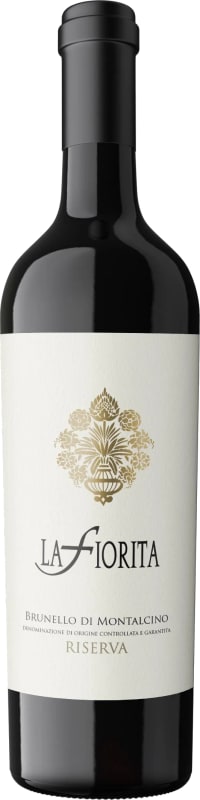


Winemaker Notes
La Fiorita's Brunello Riserva is a selection of grapes from a single vineyard. Not made each year, these perfect Sangiovese, have a similar winemaking and ageing process as their Brunello. The ideal maturity of the tannins from the skins, will carry with time a complex contrast between structure and elegance. The minimum required of ageing time is six years before release. Going further, kept in a private cellar, theirRiservas will reveal a unique longevity of freshness.
Professional Ratings
-
James Suckling
Rich fruitiness with dark wild berries and dried cherries, then sweet violets, vibrant blood oranges and smoky tones. Velvety on the palate, this has full body and lush, polished fruit concentration enhanced by graphite flavor. Acidity carries the finish. So much going on here. Drink or hold.
-
Robert Parker's Wine Advocate
With the white label, the La Fiorita 2019 Brunello di Montalcino Riserva is quite plump and rich, showing upfront fruit intensity. Tart berry tones are followed by elegant earthy sensations and blue iris. This Riserva offers animating acidity with finely grained tannins over a medium to full-bodied finish.
-
Decanter
A single-vineyard bottling, the Riserva always hails from La Fiorita’s Pian Bossolino plot in Montalcino’s east. A cooler site than the estate’s other holdings, it benefits from a longer vegetative and ripening cycle. Opening with black plum suffused in vanilla and mint, the 2019 is robust, and almost groaning with dense opulent fruit. The palate is characterised by fleshy cherry and prune enveloped in velvety, caressing tannins. A saline edge offsets the richness brilliantly. There is plenty to like here, though best enjoyed over the next seven to 10 years.
-
Vinous
A whiff of dark chocolate and autumnal spices give way to cherry sauce and lifting hints of split pine as the 2019 Brunello di Montalcino Riserva comes to life in the glass. It opens with a pretty inner sweetness and silken textures, gaining grip as a wave of mineral-inflected wild berry fruits saturates toward the close. The 2019 finishes long and structured, with sweet tannins and a lingering concentration that tug at the cheeks as echoes of licorice fade.
-
Wine Spectator
This is rich, offering plum, cherry, iron, tobacco and earth flavors. A balanced red, with a solid swath of tannins underneath, this picks up accents of wild herbs and resin on the lingering finish. Best from 2028 through 2043.


Among Italy's elite red grape varieties, Sangiovese has the perfect intersection of bright red fruit and savory earthiness and is responsible for the best red wines of Tuscany. While it is best known as the chief component of Chianti, it is also the main grape in Vino Nobile di Montepulciano and reaches the height of its power and intensity in the complex, long-lived Brunello di Montalcino. Somm Secret—Sangiovese doubles under the alias, Nielluccio, on the French island of Corsica where it produces distinctly floral and refreshing reds and rosés.

Famous for its bold, layered and long-lived red, Brunello di Montalcino, the town of Montalcino is about 70 miles south of Florence, and has a warmer and drier climate than that of its neighbor, Chianti. The Sangiovese grape is king here, as it is in Chianti, but Montalcino has its own clone called Brunello.
The Brunello vineyards of Montalcino blanket the rolling hills surrounding the village and fan out at various elevations, creating the potential for Brunello wines expressing different styles. From the valleys, where deeper deposits of clay are found, come wines typically bolder, more concentrated and rich in opulent black fruit. The hillside vineyards produce wines more concentrated in red fruits and floral aromas; these sites reach up to over 1,600 feet and have shallow soils of rocks and shale.
Brunello di Montalcino by law must be aged a minimum of four years, including two years in barrel before realease and once released, typically needs more time in bottle for its drinking potential to be fully reached. The good news is that Montalcino makes a “baby brother” version. The wines called Rosso di Montalcino are often made from younger vines, aged for about a year before release, offer extraordinary values and are ready to drink young.