


Winemaker Notes
This unpretentious wine has bright notes of apple and pear. Pleasant savory herbs enable the versatility of this wine to go with a myriad of dishes.
Blend: 50% Merseguera, 50 % Chardonnay

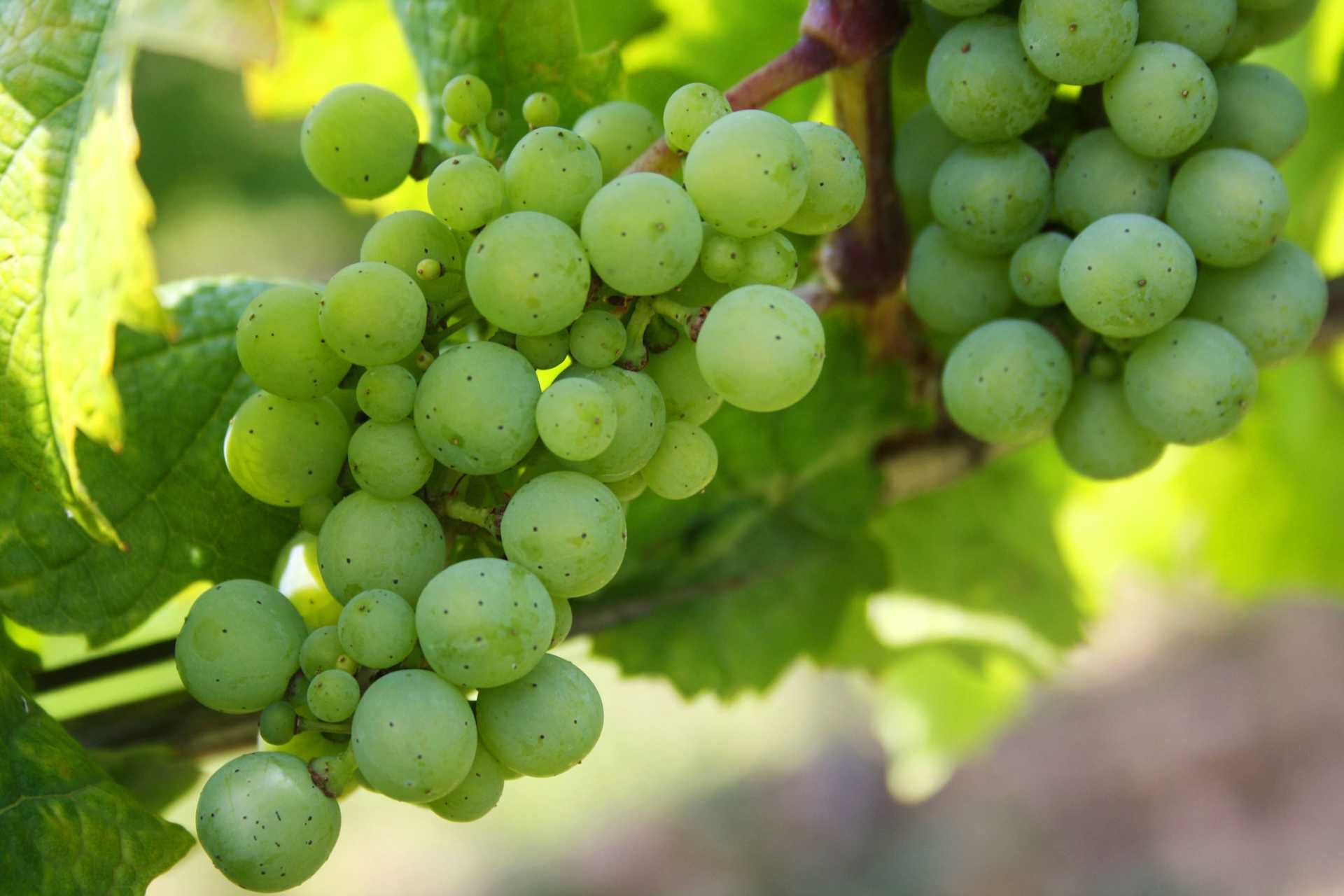
With hundreds of white grape varieties to choose from, winemakers have the freedom to create a virtually endless assortment of blended white wines. In many European regions, strict laws are in place determining the set of varieties that may be used in white wine blends, but in the New World, experimentation is permitted and encouraged. Blending can be utilized to enhance balance or create complexity, lending different layers of flavors and aromas. For example, a variety that creates a soft and full-bodied white wine blend, like Chardonnay, would do well combined with one that is more fragrant and naturally high in acidity. Sometimes small amounts of a particular variety are added to boost color or aromatics. Blending can take place before or after fermentation, with the latter, more popular option giving more control to the winemaker over the final qualities of the wine.

The Valencia DO wine region is a non-contiguous appellation, with four distinct subzones, surrounding the area beyond Valencia’s capital city. Winemaking in the northern part of this region is dominated by old growing areas surrounding the city. The region was established in 1957.
Historically, bulk wine has been the focal point of the region and cooperatives still handle 85% of total production today. However, winemakers are trying to steadily move away from this and focus more on producing quality wine thanks to a growing group of local innovative winemakers. More importance is being placed on older vines of indigenous (or historic) varieties planted at higher altitudes, which range from 820 - 3,600 feet.
There is growing excitement about the wines being produced from black grapes such as Monastrell, as well as late-ripening white grapes such as Merseguera. The most planted grape, Moscatel de Alejandría, has its own subzone centered around the production of sweet, fortified liqueur wines, called locally Mistela de Moscatel. The region's reds, rosés and whites actually all include dessert wines, each with their own wine-making traditions.