


Winemaker Notes
The dress is distinguished by its salmon tint, shaded with pomelo touches. The nose, for its part, reveals notes of citrus and spices. The mouth is long and fresh, marked by white flower aromas and a subtly saline finish.
Blend: 51% Mourvèdre, 24% Cinsault, 19% Grenache, 6% Languedoc.
Professional Ratings
-
Robert Parker's Wine Advocate
A blend of 51% Mourvèdre, 24% Cinsault, 19% Grenache Noir and 6% white grapes, the 2024 Bandol Rose from La Bastide Blanche evokes aromas of pomegranate, lemon, blood orange and spices. It is followed by a moderately weighted, round and supple palate with bright acids enhanced by a juicy core of fruit. The finish is long, saline and mouthwatering, making this a well-crafted and characterful rosé that delivers both charm and precision.
-
Wine Spectator
Blood orange, heather and potpourri comingle with alpine herbs, plus a salty layer of crushed flint and stone, in this robust version. Smoky and firm on the finish. Delicious. Drink now through 2030.

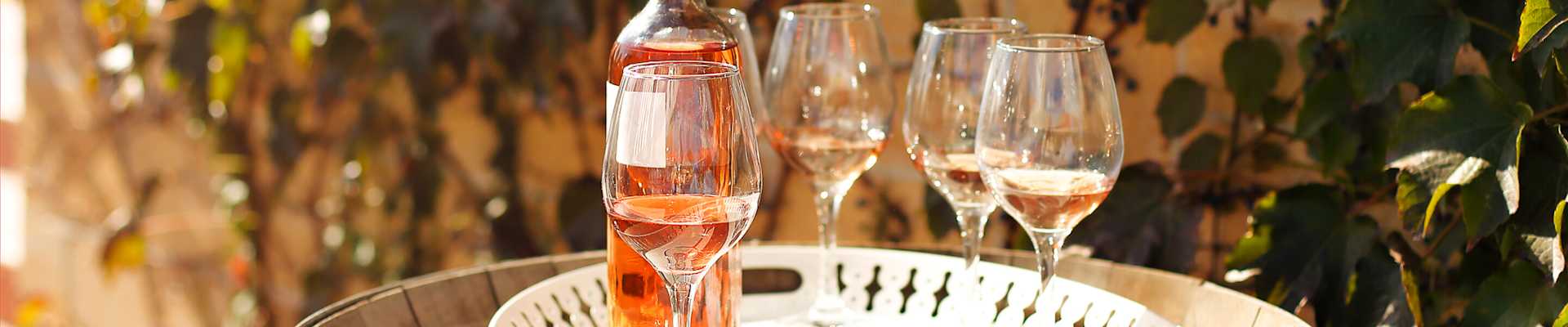
Whether it’s playful and fun or savory and serious, most rosé today is not your grandmother’s White Zinfandel, though that category remains strong. Pink wine has recently become quite trendy, and this time around it’s commonly quite dry. Since the pigment in red wines comes from keeping fermenting juice in contact with the grape skins for an extended period, it follows that a pink wine can be made using just a brief period of skin contact—usually just a couple of days. The resulting color depends on grape variety and winemaking style, ranging from pale salmon to deep magenta.

Provence’s leader in concentrated and age-worthy red wines, Bandol is home to the dense, deep and earthy Mourvèdre grape. Like Châteauneuf-du-Pape, Bandol produces characterful reds that, while approachable in their youth, are typically designed for the cellar.
Given its coastal, Provencal situation, Bandol also naturally produces an assortment of charming, aromatic rosés made of Mourvèdre, Grenache and Cinsault.