
Winemaker Notes
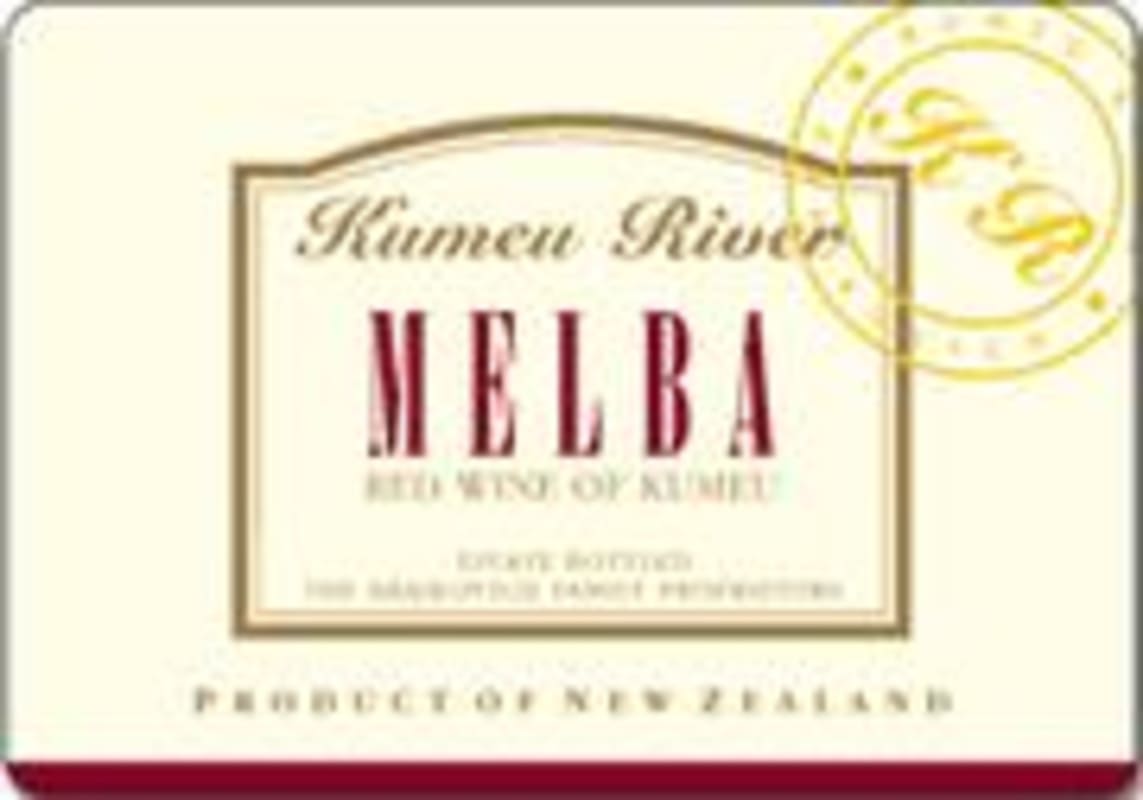
As with all of our Kumeu River wines this premium blended red wine was produced from grapes grown exclusively in the Kumeu region. 1998 was a stunning vintage in Kumeu, following a warm and dry summer, and with a much lower than normal yield. All of the red varieties produced wonderfully ripe fruit with intense, concentrated and persistent flavours. The blend of our best parcels of Merlot, Malbec and Cabernet Franc gave us a wine which is quite exceptional and truly representative of our best individual vineyard sites. It is a wine that displays raciness, rusticity and power, tempered by elegance. It has concentration, complexity and length of flavour and is exactly this synergistic, blended style of wine that we aim to achieve. Rather than just concentrating on the single varieties and their respective aromas and flavours, we would rather combine integrate the complementary variety of characters of these three grapes so that the resultant integrated whole wine has a character and a quality that is greater than the sum of its parts.
Professional Ratings





Founded in 1944 by Mick Brajkovich, wife Katé and son Maté, Kumeu River was one of the early pioneers in Auckland, New Zealand, that helped to establish its reputation as a world-class wine region. Still family owned and run, Kumeu River continues to pioneer new frontiers: winemaker Michael Brajkovich became New Zealand’s first member of the prestigious Institute of Masters of Wine, London, they have been testing and championing screw cap closures for close to 20 years and the winery has gone on to become the globally recognized benchmark for non-Burgundy produced Chardonnay. All Kumeu River wines are hand-harvested, whole bunch pressed and demonstrate exclusive use of indigenous yeast fermentation.
The Chardonnays of Kumeu River have gained a strong foothold within the international market, continuously and consistently receiving outstanding accolades. The winery is a globally recognized benchmark for age-worthy Chardonnay outside of Burgundy.

With hundreds of red grape varieties to choose from, winemakers have the freedom to create a virtually endless assortment of blended red wines. In many European regions, strict laws are in place determining the set of varieties that may be used, but in the New World, experimentation is permitted and encouraged resulting in a wide variety of red wine styles. Blending can be utilized to enhance balance or create complexity, lending different layers of flavors and aromas. For example, a red wine blend variety that creates a fruity and full-bodied wine would do well combined with one that is naturally high in acidity and tannins. Sometimes small amounts of a particular variety are added to boost color or aromatics. Blending can take place before or after fermentation, with the latter, more popular option giving more control to the winemaker over the final qualities of the wine.
How to Serve Red Wine
A common piece of advice is to serve red wine at “room temperature,” but this suggestion is imprecise. After all, room temperature in January is likely to be quite different than in August, even considering the possible effect of central heating and air conditioning systems. The proper temperature to aim for is 55° F to 60° F for lighter-bodied reds and 60° F to 65° F for fuller-bodied wines.
How Long Does Red Wine Last?
Once opened and re-corked, a bottle stored in a cool, dark environment (like your fridge) will stay fresh and nicely drinkable for a day or two. There are products available that can extend that period by a couple of days. As for unopened bottles, optimal storage means keeping them on their sides in a moderately humid environment at about 57° F. Red wines stored in this manner will stay good – and possibly improve – for anywhere from one year to multiple decades. Assessing how long to hold on to a bottle is a complicated science. If you are planning long-term storage of your reds, seek the advice of a wine professional.

Grape-growers in the local subregions of Clevedon, Matakana and Waiheke Island, focusing on vineyard techniques to maximize quality, are producing very fine Bordeaux Blends from local grapes. Auckland is also an industrial area where winemakers can produce quality wines based on sourced grapes from neighboring regions.