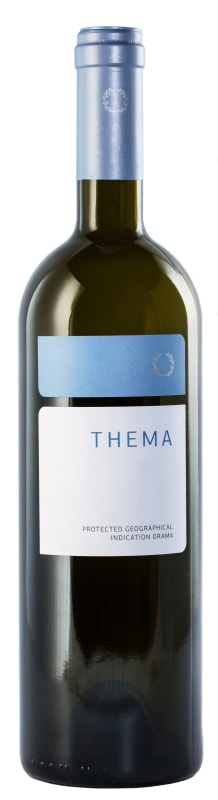


Winemaker Notes
This fragrant white possesses a multilayered bouquet, with intense aromas of exotic fruits and citrus upfront, complimented by hints of white pepper and a clean minerality. Well-balanced, with a rich mouthfeel from the extended period on the lees, this dry white blend showcases beautiful flavors of refreshing fruitiness from the Sauvignon Blanc and an earthy character from the Assyrtiko.
An ideal pairing wine for appetizers, fresh salads and seafood.
Blend: 50% Assyrtiko, 50% Sauvignon Blanc
Professional Ratings
-
Robert Parker's Wine Advocate
The 2018 Thema White is an unoaked and equal blend of Assyrtiko and Sauvignon Blanc, coming in at 13.7% alcohol. This, the winery said, was an "especially challenging year" with slightly reduced yields that enhanced quality. I might take that last opinion as some puffery, but it seemed to work out great here. This is gorgeous. Fragrant, with the Sauvignon Blanc clearly in charge up front, it has its share of herbs, but they are always just nuances that are well controlled. The Assyrtiko asserts itself early and often in terms of good structure and even better concentration. This seems to have a bit more stuffing than some other years, while retaining its balance and freshness. It's hard to rate this bottling much higher, as I don't think it will be a long-term ager or turn into anything even more special, but it's sure worth leaning up today. It seems like a complete package in its style and at this price level. It seems pretty terrific. There were 180,000 bottles produced from 20-year-old vines.

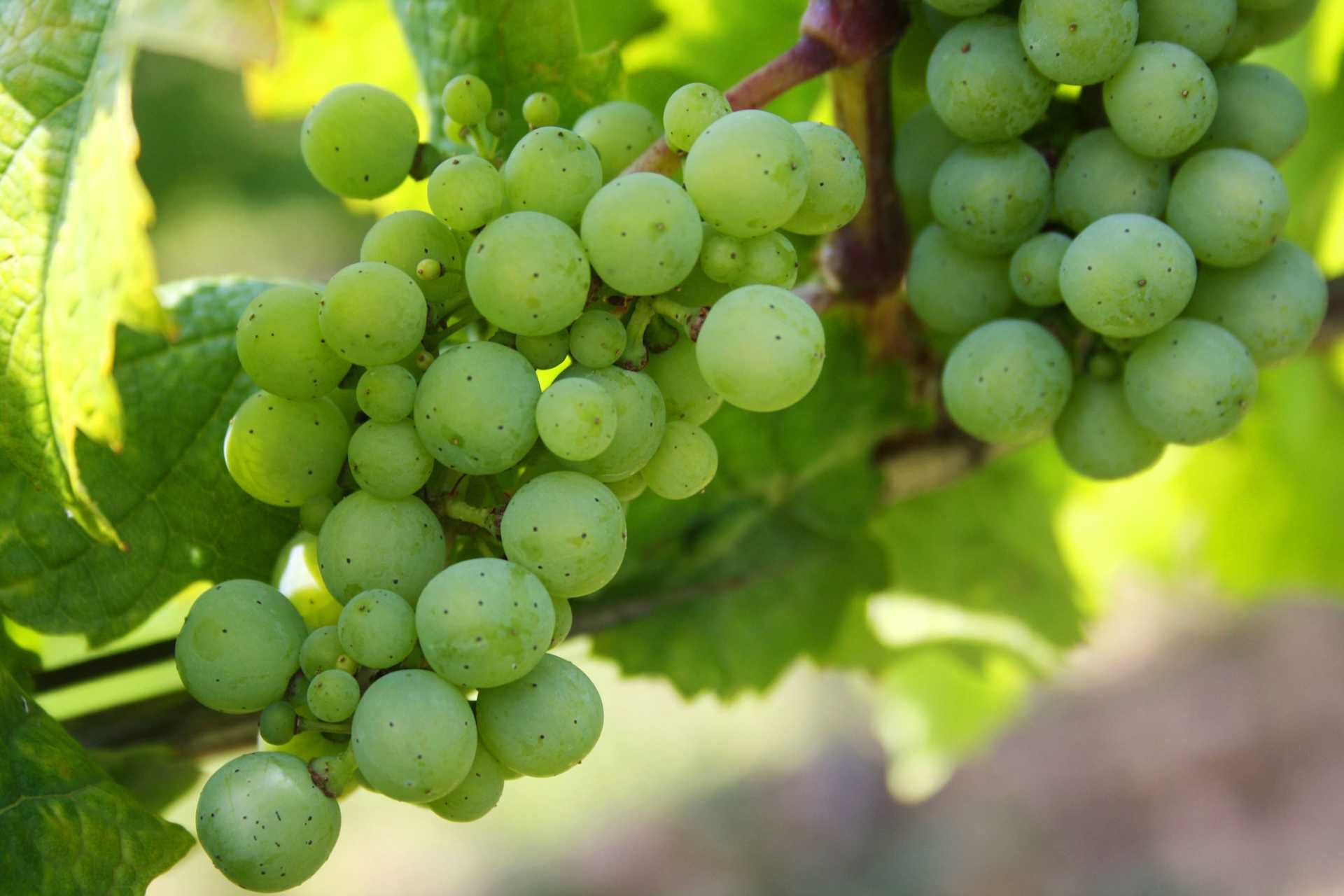
With hundreds of white grape varieties to choose from, winemakers have the freedom to create a virtually endless assortment of blended white wines. In many European regions, strict laws are in place determining the set of varieties that may be used in white wine blends, but in the New World, experimentation is permitted and encouraged. Blending can be utilized to enhance balance or create complexity, lending different layers of flavors and aromas. For example, a variety that creates a soft and full-bodied white wine blend, like Chardonnay, would do well combined with one that is more fragrant and naturally high in acidity. Sometimes small amounts of a particular variety are added to boost color or aromatics. Blending can take place before or after fermentation, with the latter, more popular option giving more control to the winemaker over the final qualities of the wine.

A picturesque Mediterranean nation with a rich wine culture dating back to ancient times, Greece has so much more to offer than just retsina. Between the mainland and the country’s many islands, a wealth of Greek wine styles exists, made mostly from Greece’s plentiful indigenous varieties. After centuries of adversity after Ottoman rule, the modern Greek wine industry took off in the late 20th century with an influx of newly trained winemakers and investments in winemaking technology.
The climate—generally hot Mediterranean—can vary a bit with latitude and elevation, and is mostly moderated by cool maritime breezes. Drought can be an issue for Greek wine during the long, dry summers, sometimes necessitating irrigation.
Over 300 indigenous grapes have been identified throughout Greece, and though not all of them are suitable for wine production, future decades will likely see a significant revival and refinement of many of these native Greek wine varieties. Assyrtiko, the crisp, saline Greek wine variety of the island of Santorini, is one of the most important and popular white wine varieties, alongside Roditis, Robola, Moschofilero, and Malagousia. Muscat is also widely grown for both sweet and dry wines. Prominent red wine varieties include full-bodied and fruity Agiorghitiko, native to Nemea; Macedonia’s savory, tannic Xinomavro; and Mavrodaphne, used commonly to produce a Port-like fortified wine in the Peloponnese.