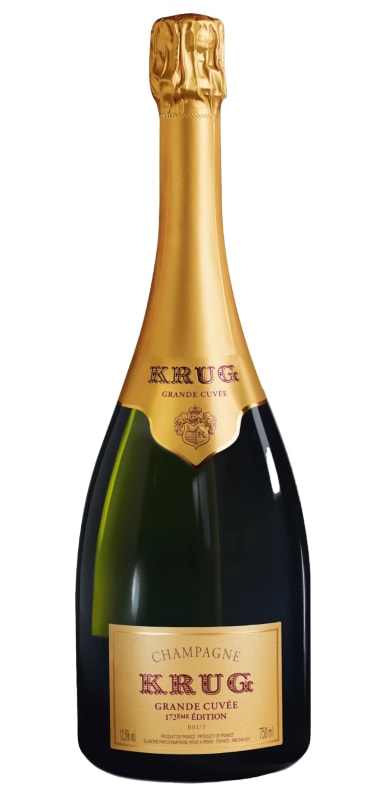


Winemaker Notes
A light golden color and fine, vivacious bubbles, holding a promise of pleasure. Aromas of flowers in bloom, ripe, dried and citrus fruits, as well as marzipan and gingerbread. Flavors of hazelnut, nougat, barley sugar, jellied and citrus fruits, almonds, brioche and honey.
Krug Grande Cuvée lends itself to a wealth of culinary combinations, from the simplest to the most sophisticated, from an aged parmesan to turbot à la truffe. This Champagne can be enjoyed as an aperitif with Jabugo ham and mature comté or served to accompany oysters, grilled shrimps, Indian or Moroccan food, as well as desserts such as carrot cake, tarte tatin and cheesecake.
Blend: 44% Pinot Noir, 36% Chardonnay, 20% Meunier
Professional Ratings
-
Wine Enthusiast
This is the most recent bottling of this iconic Champagne. There is a touch of toast as well as enticing apple and citrus aromas. On the palate, this wine is rich, intense, poised between maturity and ripe white fruits.
-
Decanter
The 172ème édition, based around the 2016 vintage, is a delicate, floral and saline Grande Cuvée at this early stage in its life. The palate it taut, tightly wound, gradually unfurling into toasted fruit bread, rye bread and roasted nuts, wrapped around an intricate and taut lemon core. It's exceptionally long, spicy, rounded and spherical in shape. Notes of sweet unsalted butter round out the finish, which has such length, elegance and balance. 58% of the wine is from the 2016 vintage, which saw a lot of rain in the spring and close to flowering, with 42% from reserve wines. The blend is made up of 146 separately vinified wines from 11 different years, and the oldest wine in the blend is from the 1998 vintage.
-
James Suckling
Beautiful notes of dried citrus fruit, lemon curd and dried apples with hints of spices, dried flowers and subtle brioche. I like the polished and caressing texture and steady, refreshing acidity. It’s fresh and even austere, with notes of ground spices. So vertical and firm. Structured and long.
-
Wine Spectator
This classy Champagne waltzes across the palate with fluid poise and grace. The mousse's pointillismlike beads and a vivid frame of acidity buoy the detailed range of aromas and flavors, including chopped cherry, dried apricot, tangerine peel and plum cake notes, plus fragrant hints of grated ginger, lime blossoms, ground coffee and grilled nuts. A tang of salinity drives the racy, lingering finish. Pinot Noir, Chardonnay and Meunier. Disgorged winter 2022 to 2023 (Krug ID 123003). Drink now through 2040.
-
Robert Parker's Wine Advocate
The new Krug release, the NV Grande Cuvée 172ème Édition, based on the 2016 vintage and comprising 11 vintages in total (the oldest is 1998), is outstanding. It reveals a complex, slightly spicy bouquet of white fruits, beeswax, marzipan, hazelnuts, dried herbs, ripe orchard fruits and white flowers. Medium to full-bodied, rich and concentrated on the palate, it has a subtly spicy entry, an enrobing and layered texture and a fleshy core of fruit framed around a perfectly balanced, fresh and mineral finish. Crafted primarily from Pinot Noir (44%) and complemented with 30% Chardonnay and the rest Pinot Meunier, it was disgorged in the first quarter of 2023 with a dosage of 4.5 grams per liter.
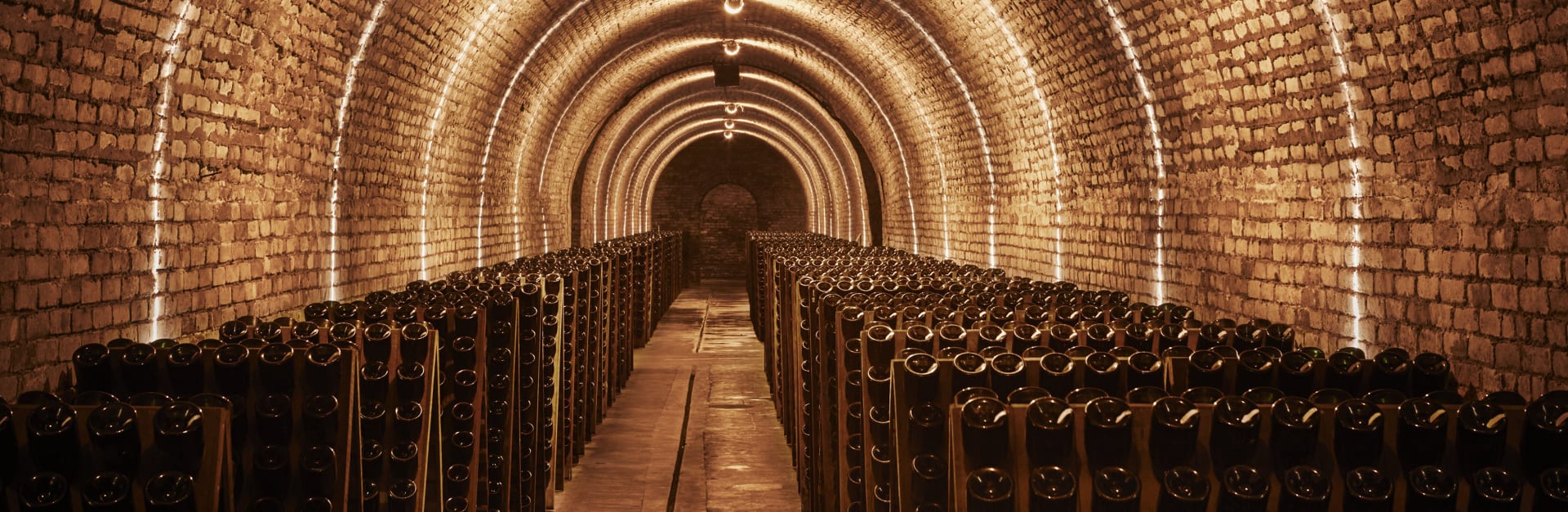




Krug has always lived up to its reputation as the first and only Champagne House to create exclusively prestige Champagnes every year since its foundation.
The House was established in Reims in 1843, by Joseph Krug, a visionary non-conformist with an uncompromising philosophy. Having understood that the true essence of Champagne is pleasure itself, his dream was to craft the very best Champagne he could offer, every single year, regardless of annual variations in climate. Paying close attention to the vineyard’s character, respecting the individuality of each plot and its wine, as well as building an extensive library of reserve wines from many different years allowed Joseph Krug to fulfil his dream.
With a very original approach to Champagne making, he decided to go beyond the notion of vintage to create the most generous expression of Champagne, every year. Thus, he founded a House in which all Champagnes are of the same level of distinction.
Six generations of the Krug family have perpetuated this dream, enriching the founder’s vision and savoir faire.
Further elaborating on the notion of individuality, for Krug’s Cellar Master Julie Cavil, each plot of grapes, through its wine, is like a single ingredient to a chef: carefully selected, and critical to the final composition. Each year, Krug honors this philosophy by inviting chefs from around the world to interpret a single ingredient, crafting unexpected recipes to pair with a glass of Krug Grande Cuvée or Krug Rosé. This year’s ingredient is the Onion.
The unspoken onion is a key component of almost every fundamental recipe from stocks, sauces and stews to baked goods and roasts. Its multifaceted expressions beautifully marry both the fullness of flavors and aromas of Krug Grande Cuvée the elegance and boldness of Krug Rose.

A term typically reserved for Champagne and Sparkling Wines, non-vintage or simply “NV” on a label indicates a blend of finished wines from different vintages (years of harvest). To make non-vintage Champagne, typically the current year’s harvest (in other words, the current vintage) forms the base of the blend. Finished wines from previous years, called “vins de reserve” are blended in at approximately 10-50% of the total volume in order to achieve the flavor, complexity, body and acidity for the desired house style. A tiny proportion of Champagnes are made from a single vintage.
There are also some very large production still wines that may not claim one particular vintage. This would be at the discretion of the winemaker’s goals for character of the final wine.

Associated with luxury, celebration, and romance, the region, Champagne, is home to the world’s most prized sparkling wine. In order to bear the label, ‘Champagne’, a sparkling wine must originate from this northeastern region of France—called Champagne—and adhere to strict quality standards. Made up of the three towns Reims, Épernay, and Aÿ, it was here that the traditional method of sparkling wine production was both invented and perfected, birthing a winemaking technique as well as a flavor profile that is now emulated worldwide.
Well-drained, limestone and chalky soil defines much of the region, which lend a mineral component to its wines. Champagne’s cold, continental climate promotes ample acidity in its grapes but weather differences from year to year can create significant variation between vintages. While vintage Champagnes are produced in exceptional years, non-vintage cuvées are produced annually from a blend of several years in order to produce Champagnes that maintain a consistent house style.
With nearly negligible exceptions, . These can be blended together or bottled as individual varietal Champagnes, depending on the final style of wine desired. Chardonnay, the only white variety, contributes freshness, elegance, lively acidity and notes of citrus, orchard fruit and white flowers. Pinot Noir and its relative Pinot Meunier, provide the backbone to many blends, adding structure, body and supple red fruit flavors. Wines with a large proportion of Pinot Meunier will be ready to drink earlier, while Pinot Noir contributes to longevity. Whether it is white or rosé, most Champagne is made from a blend of red and white grapes—and uniquely, rosé is often produce by blending together red and white wine. A Champagne made exclusively from Chardonnay will be labeled as ‘blanc de blancs,’ while ones comprised of only red grapes are called ‘blanc de noirs.’