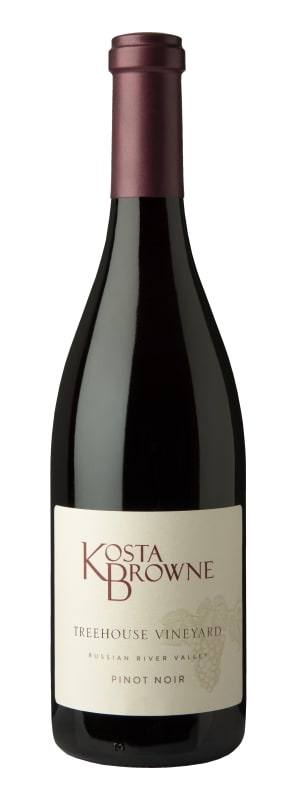


Winemaker Notes
Deeply focused with ripe raspberry, pomegranate, and dark cherry that thoughtfully enfolds your senses. Amazing agility with integrated tannins and a rounded texture that finishes with subtle notes of herbs and cinnamon. A youthful wine that will age with grace.
Professional Ratings
-
Jeb Dunnuck
The 2019 Pinot Noir Treehouse Vineyard is lush with sweet licorice, fresh leather, and wild strawberry. The palate is full of fruit and energy, revealing notes of cranberry cocktail, warm baking spice, and cedar.
-
Robert Parker's Wine Advocate
Deep ruby, the 2019 Pinot Noir Treehouse Vineyard features very layered aromatics, segueing from intense pomegranate and blue and black berries, to Earl Grey tea leaves, underbrush and violet as it airs in the glass. The medium-bodied palate offers power and nuance, with deep, earth-laced red fruits supported by abundant, grainy tannins and a flavorful finish refreshed by bright bursts of acidity.
-
James Suckling
This is very Russian River, with lots of ripe fruit, together with mushroom and spice character. Dense and complete. Red wood and tile. Full and deep. Creamy and layered. Juicy and rich.
-
Wine Spectator
This is bursting with juicy raspberry and black cherry notes, with a light savory edge that adds nice cut. Subtle spice and tea shadings line the finish, which shows lively energy. Drink now


While the Russian River Valley is a large appellation with multiple climate zones and soil types, it is best known for cool-climate varieties, with Pinot Noir as the most celebrated. The grapes benefit from a reliable late afternoon flow of Pacific Ocean fog through the Petaluma Gap and along the Russian River Valley that ensures slow and steady ripening and the preservation of grape acidity. Today many of California’s most highly regarded Pinot Noir vineyards are in the Russian River Valley, along with its sub-appellation, Green Valley.
Historically Russian River Valley Pinot Noirs had bright red fruit and delicate earthy, mineral notes. But changes in viticultural and winemaking practices have led to stylistic changes in some of the region’s wines. Adjustments to canopy management, among other techniques, have resulted in riper fruit and bolder wines as well. These show flavors of black cherry, blackberry, cola, spice and darker, loamy earth tones, accenting traditional Pinot Noir notes of strawberry, raspberry and light cherry.