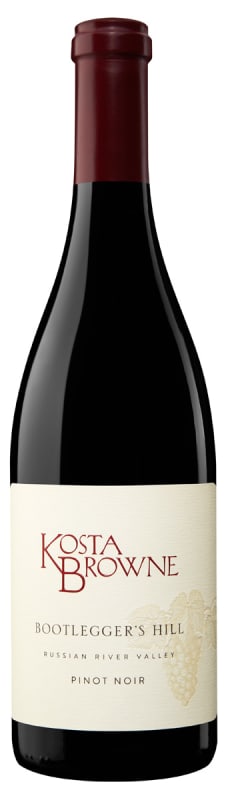


Winemaker Notes
An expressive wine with illuminating notes of strawberry jam, dried cherry, and singed crème brûlée. A surprising hint of dark pluots adds intrigue.
Velvety, with a lush, medium body and impressive texture. Sleek acidity and understated tannins envelop the palate adding immense interest.
Professional Ratings
-
The Somm Journal
A blend of eight different clones and blocks across the property, which comprises sandy Goldridge soils derived from an ancient seabed; the fermentation process took place in stainless steel, concrete, largeformat casks, and French oak. On the palate, cherries and spice show tension that’s relieved by a garden of roses gilded with cinnamon and orange tea. There’s an umami quality to the wine but also a touch of sweetness on the finish.
-
James Suckling
Inviting aromas of red and black cherries, plums, figs and dried violets. Full-bodied with fine, well-integrated tannins and very dynamic on the palate. There is great intensity here with the complex, layered flavors of flowers, minerals and ripe fruit. Harmonious, with excellent depth. Tobacco at the finish.
-
Wine & Spirits
A bold, voluminous pinot noir, this grows on a cool site with Goldridge soils, in the hills between Sebastopol and Occiden-tal. The wine developed mineral details in the tannins and generous ripeness without feel-ing over-concentrated. The finish is a little tart and tarry, the wine needing a year or two of bottle age to more fully reveal itself.


While the Russian River Valley is a large appellation with multiple climate zones and soil types, it is best known for cool-climate varieties, with Pinot Noir as the most celebrated. The grapes benefit from a reliable late afternoon flow of Pacific Ocean fog through the Petaluma Gap and along the Russian River Valley that ensures slow and steady ripening and the preservation of grape acidity. Today many of California’s most highly regarded Pinot Noir vineyards are in the Russian River Valley, along with its sub-appellation, Green Valley.
Historically Russian River Valley Pinot Noirs had bright red fruit and delicate earthy, mineral notes. But changes in viticultural and winemaking practices have led to stylistic changes in some of the region’s wines. Adjustments to canopy management, among other techniques, have resulted in riper fruit and bolder wines as well. These show flavors of black cherry, blackberry, cola, spice and darker, loamy earth tones, accenting traditional Pinot Noir notes of strawberry, raspberry and light cherry.