


Winemaker Notes
The aromas of this Knights Valley Cabernet Sauvignon begin with fragrant sweet red raspberry, cassis, and a warm undertone of mushrooms sauteed in butter. A wonderful mix of inviting flavors, including huckleberry pie, spice cake and toasty oak, expand on the palate and couple with a bright acidity that propels this wine to a delicious energetic finish inviting another sip.
This structured Cabernet deserves food with bold assertive flavors. Our favorite pairings are grilled T-bone steak, barbeque bone-in pork or grilled lamb chops with rosemary.
Blend: 97% Cabernet Sauvignon, 2% Cabernet Franc, 1% Merlot
Professional Ratings
-
Tasting Panel
Comprising 97% Cabernet Sauvignon, 2% Cabernet Franc, and 1% Merlot aged for 20 months in French oak barrels - 10% of them new - this is an inviting and versatile wine. Although it is polished in texture, it isn't overly tamed, so it could work well with a steak. Showing dark berry fruit and just enough oak and tannin to frame its flavors, it will likely be enjoyed by all who try it.


A noble variety bestowed with both power and concentration, Cabernet Sauvignon enjoys success all over the globe, its best examples showing potential to age beautifully for decades. Cabernet Sauvignon flourishes in Bordeaux's Medoc where it is often blended with Merlot and smaller amounts of some combination of Cabernet Franc, Malbecand Petit Verdot. In the Napa Valley, ‘Cab’ is responsible for some of the world’s most prestigious, age-worthy and sought-after “cult” wines. Somm Secret—DNA profiling in 1997 revealed that Cabernet Sauvignon was born from a spontaneous crossing of Cabernet Franc and Sauvignon Blanc in 17th century southwest France.
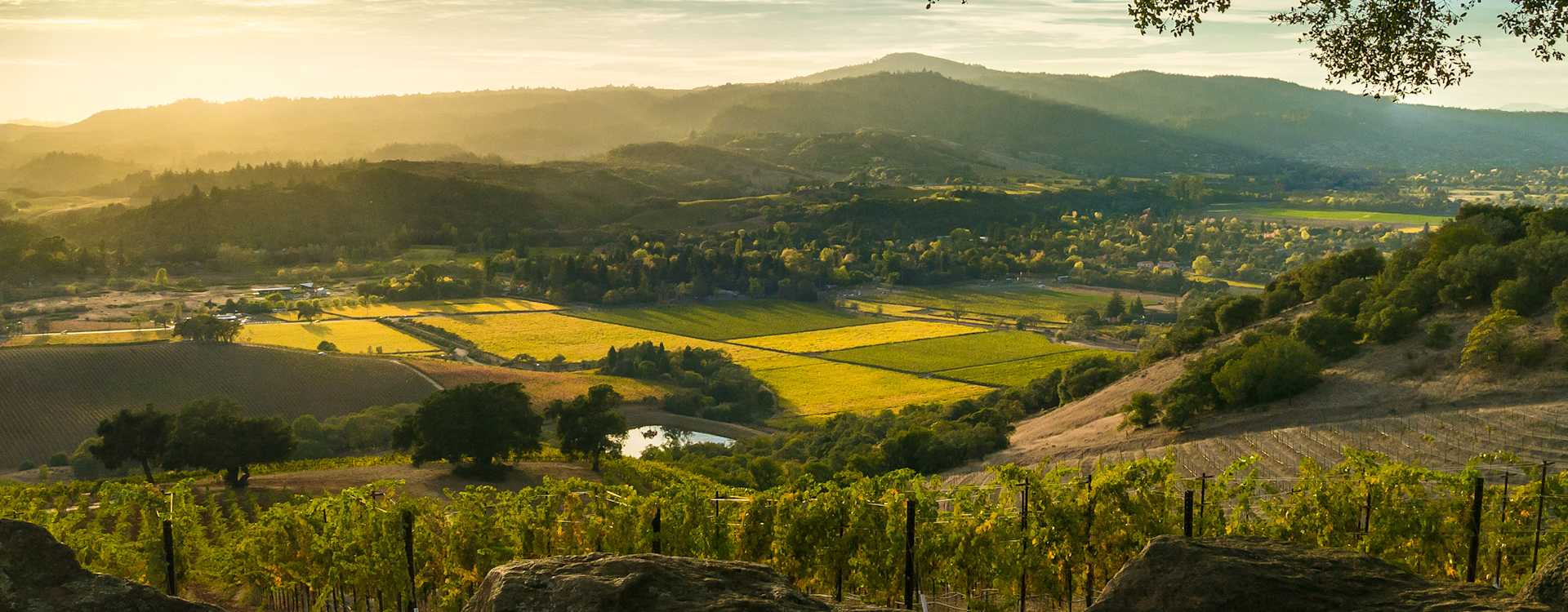
A small and picturesque valley separating Napa Valley on its south border and Alexander Valley to its north, Knights Valley excels in similar varieties as the two aforementioned appellations, namely red Bordeaux varieties and blends, as well as Sauvignon blanc. Originally established by Beringer Vineyards, today several outstanding producers claim acreage here. The circadian cooling effects of the nearby Pacific Ocean create a nighttime respite for vineyards during the hot growing season.