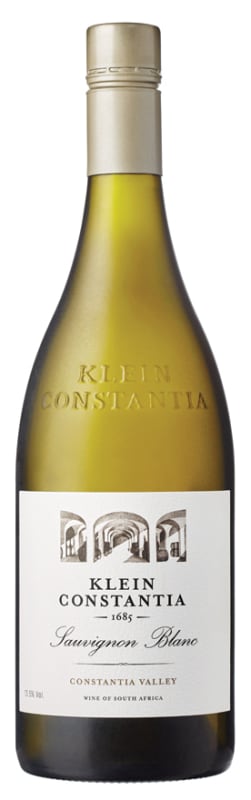


Winemaker Notes
Extraordinary from start to finish. The nose is immediately enticing with hints of pink grapefruit, tangerine blossom, dried green fig, firm gooseberries & fleshy white nectarine. A touch of vanilla bean and cantaloupe edge through too. The palate has an intensity befitting the nose - simultaneously salivating with salinity and freshness, lively & electric. The wine has a texture that reflects the unique Klein Constantia terroir and the finish is particularly long.
Professional Ratings
-
Robert Parker's Wine Advocate
The 2021 Sauvignon Blanc Constantia displays a focused nose with fresh citrus and lime candy, offering underripe peach and pineapple notes. Medium-bodied, the palate is squeaky clean, with a fresh and lively mouthfeel. It will continue to drink well for more than a decade. Gliding to a vibrant and expressive finish, this beauty will remain food friendly for years to come. Rating: 93+
-
James Suckling
Pure expressions of green mangoes, gooseberries, guavas and green spices. A lot of varietal typicity here, threaded by a fresh delivery of fruit and acidity. Crunchy and well-drinkable.


Capable of a vast array of styles, Sauvignon Blanc is a crisp, refreshing variety that equally reflects both terroir and varietal character. Though it can vary depending on where it is grown, a couple of commonalities always exist—namely, zesty acidity and intense aromatics. This variety is of French provenance. Somm Secret—Along with Cabernet Franc, Sauvignon Blanc is a proud parent of Cabernet Sauvignon. That green bell pepper aroma that all three varieties share is no coincidence—it comes from a high concentration of pyrazines (herbaceous aromatic compounds) inherent to each member of the family.

With an important wine renaissance in full swing, impressive red and white bargains abound in South Africa. The country has a particularly long and rich history with winemaking, especially considering its status as part of the “New World.” In the mid-17th century, the lusciously sweet dessert wines of Constantia were highly prized by the European aristocracy. Since then, the South African wine industry has experienced some setbacks due to the phylloxera infestation of the late 1800s and political difficulties throughout the following century.
Today, however, South Africa is increasingly responsible for high-demand, high-quality wines—a blessing to put the country back on the international wine map. Wine production is mainly situated around Cape Town, where the climate is generally warm to hot. But the Benguela Current from Antarctica provides brisk ocean breezes necessary for steady ripening of grapes. Similarly, cooler, high-elevation vineyard sites throughout South Africa offer similar, favorable growing conditions.
South Africa’s wine zones are divided into region, then smaller districts and finally wards, but the country’s wine styles are differentiated more by grape variety than by region. Pinotage, a cross between Pinot Noir and Cinsault, is the country’s “signature” grape, responsible for red-fruit-driven, spicy, earthy reds. When Pinotage is blended with other red varieties, like Cabernet Sauvignon, Merlot, Syrah or Pinot Noir (all commonly vinified alone as well), it is often labeled as a “Cape Blend.” Chenin Blanc (locally known as “Steen”) dominates white wine production, with Chardonnay and Sauvignon Blanc following close behind.