
Winemaker Notes
Professional Ratings
-
Wine Spectator
Intense, with concentrated fruit and oak that are perfumed and floral, with layers of fig and nectarine folding in nicely. An elegant, restrained version from Kistler.
-
Robert Parker's Wine Advocate
The 2000 Chardonnay McCrea Vineyard is a crisp, lemony, zesty effort with hints of lemon butter, grapefruit, and assorted citrus characteristics. The wine possesses high acid, subtle wood notes, and a 1996 Burgundy-like style. For readers seeking opulence, flesh, and luxurious fruit, this wine will always play it close to the vest, although its striking minerality is impressive.


One of the most popular and versatile white wine grapes, Chardonnay offers a wide range of flavors and styles depending on where it is grown and how it is made. While it tends to flourish in most environments, Chardonnay from its Burgundian homeland produces some of the most remarkable and longest lived examples. California produces both oaky, buttery styles and leaner, European-inspired wines. Somm Secret—The Burgundian subregion of Chablis, while typically using older oak barrels, produces a bright style similar to the unoaked style. Anyone who doesn't like oaky Chardonnay would likely enjoy Chablis.
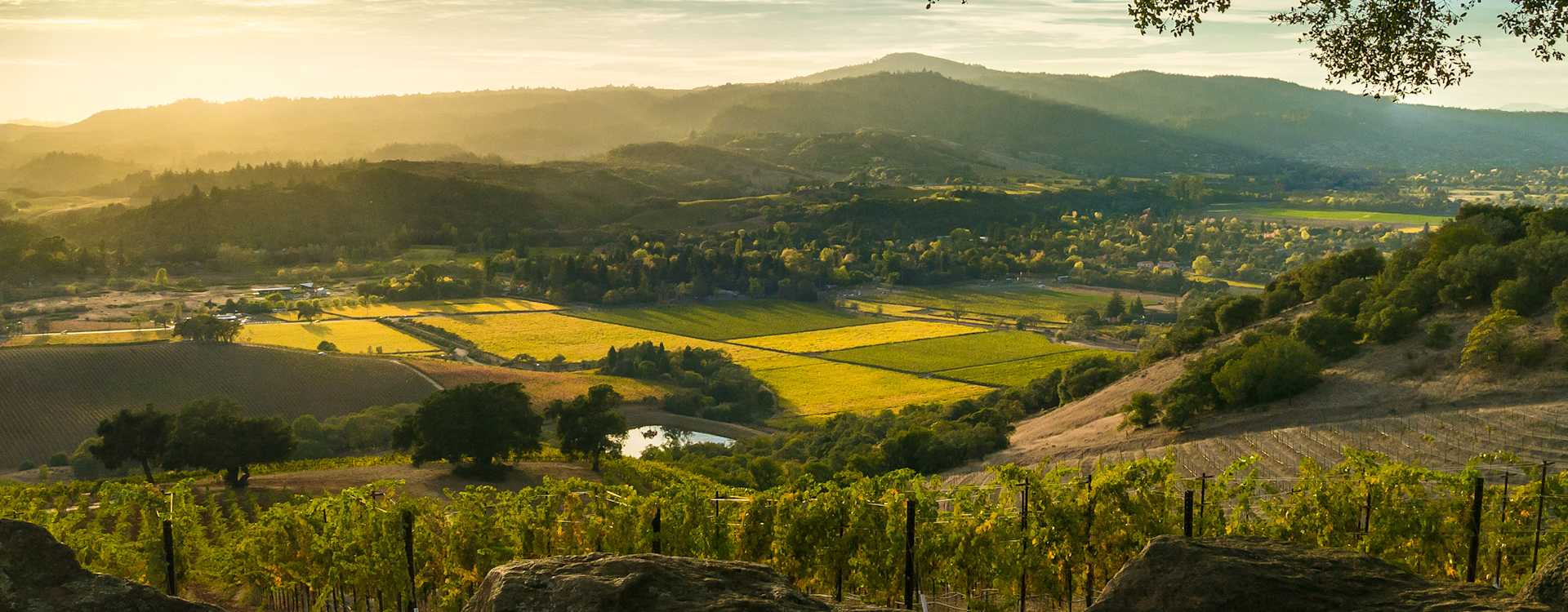
Defined more by altitude than geographical outline, the Sonoma Mountain appellation occupies elevations between 400 and 1,200 feet on the northern and eastern slopes of the actual Sonoma Mountain and is part of the greater Sonoma Valley appellation. The mountain reaches 2,400 feet; its hills separate the cooling winds of Petaluma Gap from the Sonoma Valley.
On a cooler western flank, Pinot noir, Chardonnay and Syrah enjoy a great deal of success. Vineyards on its warmer, eastern side, interspersed with heavily forested areas, tend to include Cabernet Sauvignon, Sauvignon Blanc, Zinfandel, and Syrah. Given its complexity of topography and mesoclimates, Sonoma Mountain excels with a wide range of grape varieties.