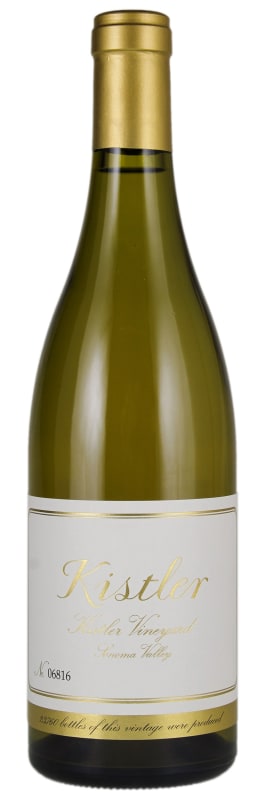


Winemaker Notes
Green-tinged color. Deep complex nose combining grapefruit, powdered stone and a strong suggestion of nut oil. At once precise and powerful with an intense minerally character and plenty of inner mouth perfume. A wonderfully subtle, slow-building, spicy finish.
Professional Ratings
-
Jeb Dunnuck
The two standouts in the lineup include the 2017 Chardonnay Kistler Vineyard, which comes from red volcanic soils and 40-year-old dry farmed vines. This magical stuff has incredible notes of white flowers, crushed rocks, salty minerality, and stone fruits. With both power and elegance, it displays bright acidity, a layered, multi-dimensional texture, and a finish that won’t quit. As with all these new releases, it shows a vibrancy and freshness paired with a concentrated, age-worthy feel. Give it 2-3 years and enjoy over the following decade.
-
Decanter
The original Kistler vineyard nestles in a small bowl at 1,800ft of elevation on the Sonoma side of the Mayacamas mountains, where the soils are red volcanic ash. Dry-farmed, 30-year-old vines deliver only two tons per 0.4ha. The stunning 2017 is marked by tactile tension, deep mineral and rock flavors, and a powerful layered structure. Kistler has produced this wine since 1986.
-
Robert Parker's Wine Advocate
The 2017 Chardonnay Kistler Vineyard opens with savory notes of toasted hazelnut, hay, river stone, dried white flowers and citrus peel with notions of honeycomb and lemon meringue. It's medium-bodied, intense, rounded and textural with tangy acidity to lift and a long, savory finish. This needs more time in bottle to blossom. 95+
-
Connoisseurs' Guide
In many ways reminiscent of Kistler’s Cuvée Cathleen which is drawn from a differently situated, singularly stony block in the same vineyard insofar as it, too, is fairly tight and slow to unfold, this solidly built Chardonnay does not possess quite the same sense of fruity reserve. That it is a serious wine worthy of inclusion in the cellar of any Chardonnay devotee is beyond question as is its certain ability to grow in reach and range with age, yet the little differences between it and its deeper fraternal twin suggest that that its long-term trajectory is not likely to achieve the same lofty heights.


One of the most popular and versatile white wine grapes, Chardonnay offers a wide range of flavors and styles depending on where it is grown and how it is made. While it tends to flourish in most environments, Chardonnay from its Burgundian homeland produces some of the most remarkable and longest lived examples. California produces both oaky, buttery styles and leaner, European-inspired wines. Somm Secret—The Burgundian subregion of Chablis, while typically using older oak barrels, produces a bright style similar to the unoaked style. Anyone who doesn't like oaky Chardonnay would likely enjoy Chablis.
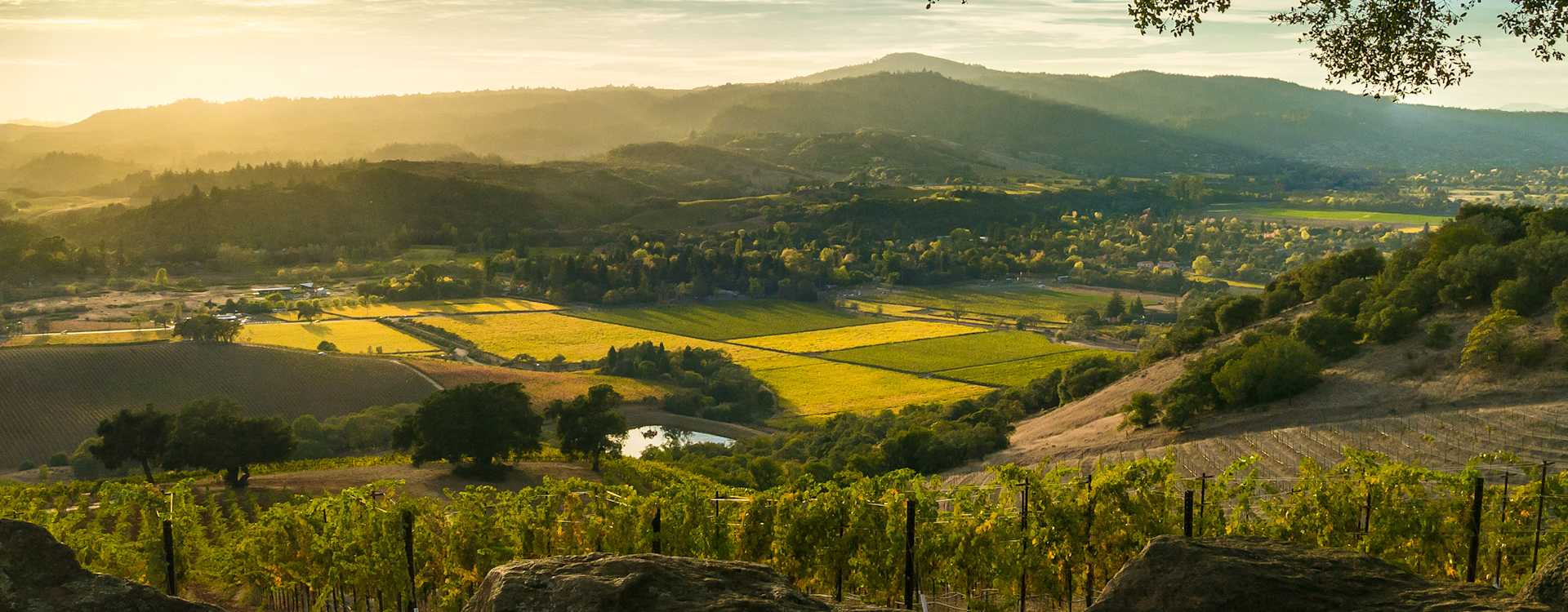
Perhaps the most historically significant appellation in Sonoma County, the Sonoma Valley is home to both Buena Vista winery, California's oldest commercial winery, and Gundlach Bundschu winery, California's oldest family-run winery.
It is also one of the more geologically and climactically diverse districts. The valley includes and overlaps four distinct Sonoma County sub-appellations, including Carneros, Moon Mountain District, Sonoma Mountain and Bennett Valley. With mountains, benchlands, plains, abundant sunshine and the cooling effects of the nearby Pacific, this appellation can successfully produce a wide range of grape varieties. Pinot Noir, Chardonnay, Cabernet Sauvignon, Gewürztraminer, and most notably, Zinfandel all thrive here. Ancient Zinfandel vines over 100 years old produce small crops of concentrated, spicy fruit, which in turn make some of the Valley's most unique wines. These can also be made as “field blends” (wines made from a mix of grape varieties grown in the same vineyard) along with Petite Sirah, Carignan and Alicante Bouschet.