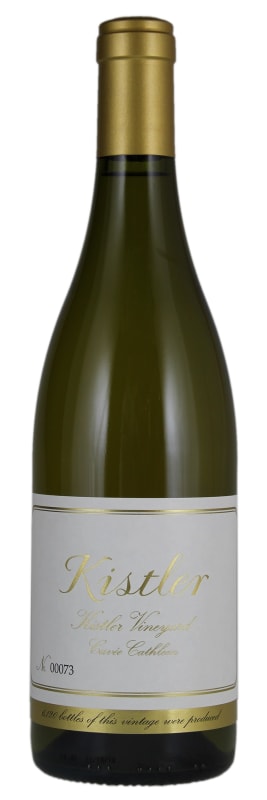


Winemaker Notes
Made from fruit solely from one specific block at the Kistler Vineyard, the only section of the vineyard that has a broken shale uplift that dominates the red volcanics and faces the afternoon sun as opposed to the morning. Since its planting in 1989, the block stood out in our minds, and clearly called for a separate bottling. Produces one of our most classic, complex and complete chardonnays and nears perfection on an annual basis.
Professional Ratings
-
Jeb Dunnuck
Coming from a ridge of more broken shale soils and 25-year-old vines, the 2017 Chardonnay Kistler Vineyard Cuvee Cathleen is a more opulent wine than the more chiseled Kistler Vineyard and offers a beautiful bouquet of golden fruits, pineapple, honeycomb, and rocking levels of salty minerality. It’s fleshy, rounded, and powerful, with a great, great texture as well as a massive finish. This pure, regal, classic Sonoma Chardonnay plays with the best in the world. It can be drunk today or cellared for over a decade.
-
Decanter
How different wines from various blocks of a vineyard can be! This wine comes from a special west-facing block in the Kistler Vineyard where the red volcanic ash soil is mixed with broken shale. Intensely aromatic, with notes of citrus and flowers, it’s rich, very complex and complete and needs time.
-
Robert Parker's Wine Advocate
Winemaker Jason Kesner points out that this is not a barrel selection but a separate block in the vineyard with unique soils of broken shale and red volcanic ash. The 2017 Chardonnay Cuvée Cathleen is youthfully shy on the nose, opening very slowly to notes of dried apple, potpourri, hints of key lime pie and sliced apricot with accents of spring honey, toast and wet stone. Medium-bodied, the aromas bely the palate—it explodes with multilayered flavors ranging from tangy citrus to honeycomb and earthy notions of dried leaves, seamlessly framed by juicy acidity and silkily textured, finishing very long and packed with flavor. "To me, this has several distinct parts of its personality, like gears with teeth," says Kesner. "This hits on all the classic points you look for in a beautifully made California Chardonnay: it's got a nice low pH, that sense of richness, textural complexity and high tones. It's not pervasive, not in your face, not cloying. It has a sense of minerality and a savory component. When all those things become one and they start to blur together and you can’t pick them out—that’s when a wine becomes truly magical to me." Well done! 96+
-
Wine Spectator
Pure and powerful, with reserved citrus and honeysuckle notes that accent the apple pastry flavors. Hints of lemongrass and dried savory herbs emerge midpalate, leading to a vibrant finish that features rich, toasty nuances. Best from 2021 through 2026.
-
Connoisseurs' Guide
The differences from one Kistler Chardonnay to the next are by and large more subtle than striking, which should come as no surprise given that, regardless of site, the winery has worked with a single Chardonnay clone for more than thirty years and the winemaking regime for each is largely the same. But, differences there are by dint of terroir, and here the wine sports a distinctive stony streak to its concentrated, many layered aromas that cuts through its ripe, well-extracted flavors and stays ahead of comparatively constrained fruit. Still on the decidedly tight side and a little chalky and hard-edged at the finish, it is the one among the many Kistler offerings that is most demanding of age, and, if a wine of enormous promise with a chance to grow into one of the best of the bunch in time, it will evolve slowly at its own pace and needs to be set aside for a minimum of three or four years


One of the most popular and versatile white wine grapes, Chardonnay offers a wide range of flavors and styles depending on where it is grown and how it is made. While it tends to flourish in most environments, Chardonnay from its Burgundian homeland produces some of the most remarkable and longest lived examples. California produces both oaky, buttery styles and leaner, European-inspired wines. Somm Secret—The Burgundian subregion of Chablis, while typically using older oak barrels, produces a bright style similar to the unoaked style. Anyone who doesn't like oaky Chardonnay would likely enjoy Chablis.
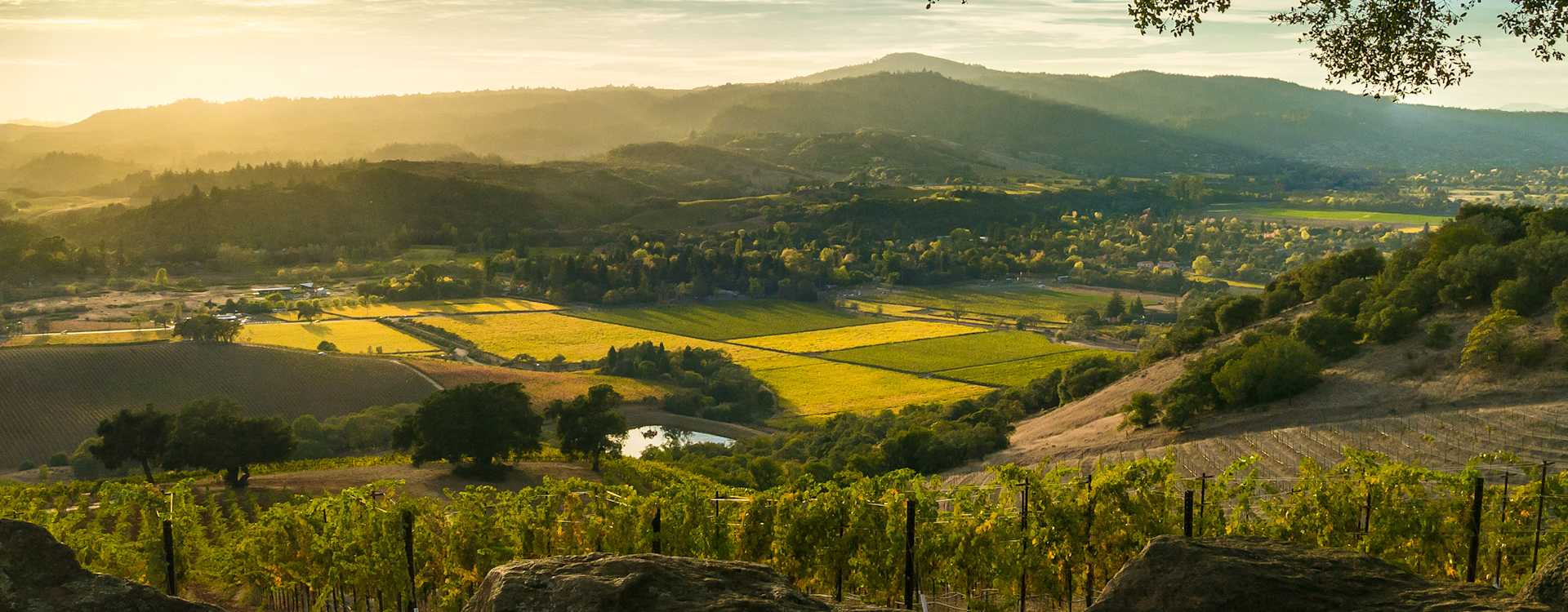
Perhaps the most historically significant appellation in Sonoma County, the Sonoma Valley is home to both Buena Vista winery, California's oldest commercial winery, and Gundlach Bundschu winery, California's oldest family-run winery.
It is also one of the more geologically and climactically diverse districts. The valley includes and overlaps four distinct Sonoma County sub-appellations, including Carneros, Moon Mountain District, Sonoma Mountain and Bennett Valley. With mountains, benchlands, plains, abundant sunshine and the cooling effects of the nearby Pacific, this appellation can successfully produce a wide range of grape varieties. Pinot Noir, Chardonnay, Cabernet Sauvignon, Gewürztraminer, and most notably, Zinfandel all thrive here. Ancient Zinfandel vines over 100 years old produce small crops of concentrated, spicy fruit, which in turn make some of the Valley's most unique wines. These can also be made as “field blends” (wines made from a mix of grape varieties grown in the same vineyard) along with Petite Sirah, Carignan and Alicante Bouschet.