

Winemaker Notes
Professional Ratings
-
James Suckling
An aromatic wine with granite and dark-berry character. Quartz, too. Full-bodied and dense, yet agile. Layered and focused. A fantastic wine. Grenache, mouvedre and syrah. Impressive texture and balance. So in harmony. Co-fermented.
-
Wine Spectator
Plush, polished and well-knit, with vibrant blackberry, crushed stone, smoky meat and pepper details that build momentum and richness toward the long finish. Mourvèdre, Grenache and Syrah. Drink now through 2027.
-
Jeb Dunnuck
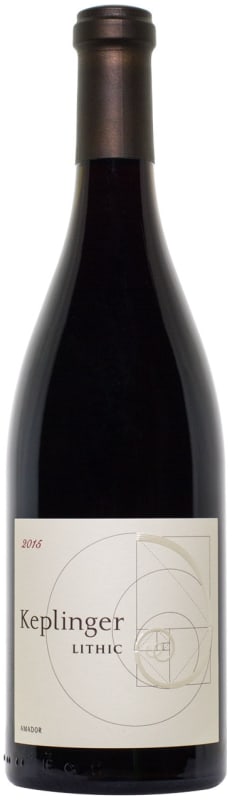
The 2015 Lithic comes from rocky, volcanic soils in Amador and is 40% Mourvèdre, 34% Grenache, and 26% Syrah that was brought up in 10% new French oak (a mix of demi-muids and Burgundy barrels). It has an exotic bouquet of blueberries, crushed flowers, spiced meats, and earth. With terrific purity of fruit, a distinct minerality, no hard edges, and the purity of fruit and elegance that’s the hallmark of all of Helen’s wines, drink this terrific wine anytime over the coming decade.


With bold fruit flavors and accents of sweet spice, Grenache, Syrah and Mourvèdre form the base of the classic Rhône Red Blend, while Carignan, Cinsault and Counoise often come in to play. Though they originated from France’s southern Rhône Valley, with some creative interpretation, Rhône blends have also become popular in other countries. Somm Secret—Putting their own local spin on the Rhône Red Blend, those from Priorat often include Merlot and Cabernet Sauvignon. In California, it is not uncommon to see Petite Sirah make an appearance.

As the lower part of the greater Sierra Foothills appellation, Amador is roughly a plateau whose vineyards grow at 1,200 to 2,000 feet in elevation. It is 100 miles east of both San Francisco and Napa Valley. Most of its wineries are in the oak-studded rolling hillsides of Shenandoah Valley or east in Fiddletown, where elevations are slightly higher.
The Sierra Foothills growing area was among the largest wine producers in the state during the gold rush of the late 1800s. The local wine industry enjoyed great success until just after the turn of the century when fortune-seekers moved elsewhere and its population diminished. With Prohibition, winemaking was totally abandoned, along with its vineyards. But some of these, especially Zinfandel, still remain and are the treasure chest of the Sierra Foothills as we know them.
Most Amador vines are planted in volcanic soils derived primarily from sandy clay loam and decomposed granite. Summer days are hot but nighttime temperatures typically drop 30 degrees and the humidity is low, making this an ideal environment for grape growing. Because there is adequate rain throughout the year and even snow in the winter, dry farming is possible.