
Winemaker Notes
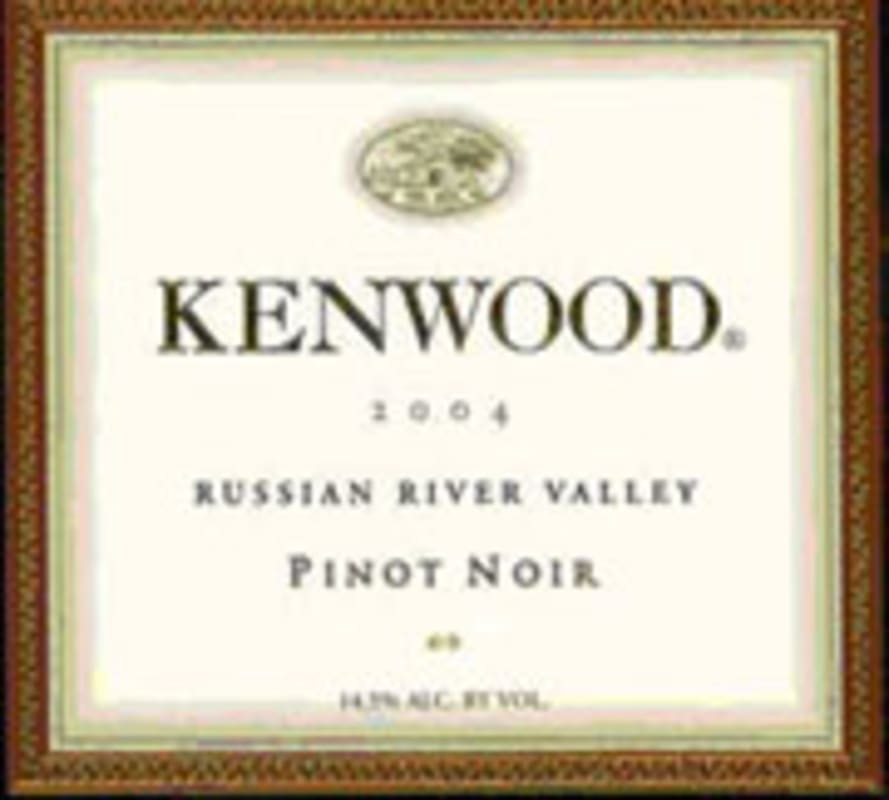
The 2004 vintage was characterized by a long, cool summer that preserved the grapes' natural acidity, followed by a warm Indian summer in early September that brought them to full maturity. The vines were harvested in late August and September. Ten percent of the Pinot Noir crop was whole-berry fermented in stainless steel tanks to preserve the fruitiness of the grape; the juice was then aged in newer French oak barrels for eleven months. This full-bodied yet smooth Pinot Noir serves up an array of raspberry and plum flavors with a lingering finish.


While the Russian River Valley is a large appellation with multiple climate zones and soil types, it is best known for cool-climate varieties, with Pinot Noir as the most celebrated. The grapes benefit from a reliable late afternoon flow of Pacific Ocean fog through the Petaluma Gap and along the Russian River Valley that ensures slow and steady ripening and the preservation of grape acidity. Today many of California’s most highly regarded Pinot Noir vineyards are in the Russian River Valley, along with its sub-appellation, Green Valley.
Historically Russian River Valley Pinot Noirs had bright red fruit and delicate earthy, mineral notes. But changes in viticultural and winemaking practices have led to stylistic changes in some of the region’s wines. Adjustments to canopy management, among other techniques, have resulted in riper fruit and bolder wines as well. These show flavors of black cherry, blackberry, cola, spice and darker, loamy earth tones, accenting traditional Pinot Noir notes of strawberry, raspberry and light cherry.