

Winemaker Notes
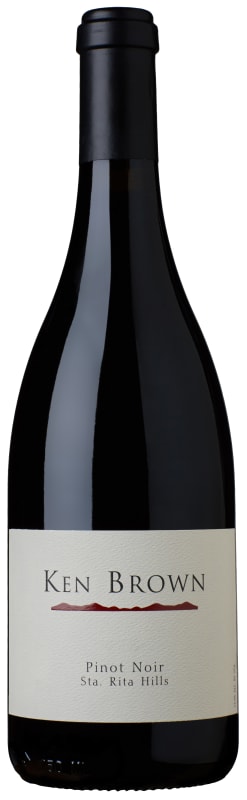
This wine is a beautiful overview of the Sta. Rita Hills, combining Pinot Noir from across the temperature zones of the appellation. Rio Vista Vineyard represents the eastern end of the appellation where temperatures are slightly warmer. Further west are Sanford & Benedict and Rancho La Viña vineyards situated in the heart of Sta. Rita Hills’ cool Pinot Noir zone. Radian is the coldest vineyard in the appellation. Its location in the southwest corner of the AVA is unsheltered from direct exposure to cold winds and fog from the Pacific.
Professional Ratings
-
Wilfred Wong of Wine.com
COMMENTARY: One of the most difficult challenges in producing a voluptuous Pinot Noir is keeping the wine in balance. The 2015 Ken Brown Sta. Rita Hills does a great job in doing that. TASTING NOTES. This wine exhibits excellent saturation without going past the point of no return. Its aromas and flavors of ripe berries and savory spices should pair it famously with a rosemary-infused roast leg of lamb. (Tasted: October 17, 2018, San Francisco, CA)


Thin-skinned, finicky and temperamental, Pinot Noir is also one of the most rewarding grapes to grow and remains a labor of love for some of the greatest vignerons in Burgundy. Fairly adaptable but highly reflective of the environment in which it is grown, Pinot Noir prefers a cool climate and requires low yields to achieve high quality. Outside of France, outstanding examples come from in Oregon, California and throughout specific locations in wine-producing world. Somm Secret—André Tchelistcheff, California’s most influential post-Prohibition winemaker decidedly stayed away from the grape, claiming “God made Cabernet. The Devil made Pinot Noir.”
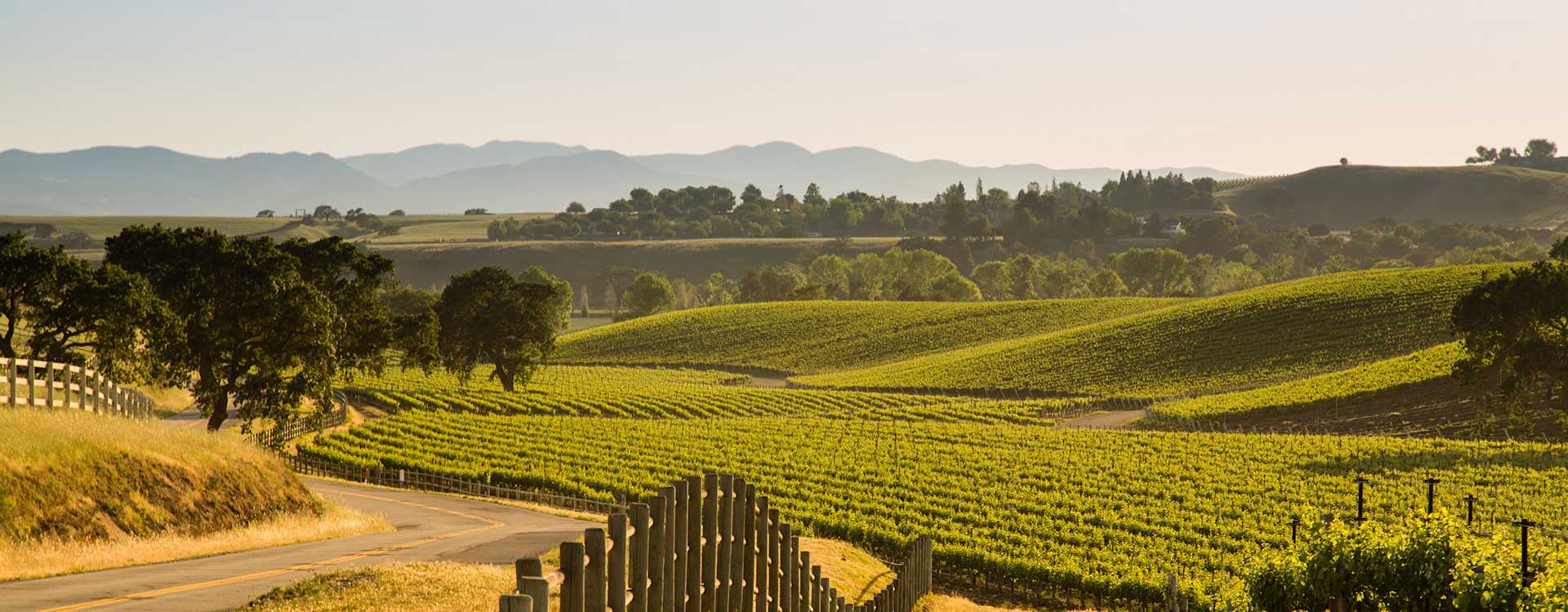
A superior source of California Chardonnay and Pinot Noir, Sta. Rita Hills is the coolest, westernmost sub-region of the larger Santa Ynez Valley appellation within Santa Barbara County. This relatively new AVA is unquestionably one to keep an eye on.
The climate of Sta. Rita Hills is a natural match for Chardonnay and Pinot noir, thanks to the crisp ocean breezes and well-drained, limestone-rich calcareous soil. Here, grapes ripen just enough, while retaining brisk acidity and harmonious balance.