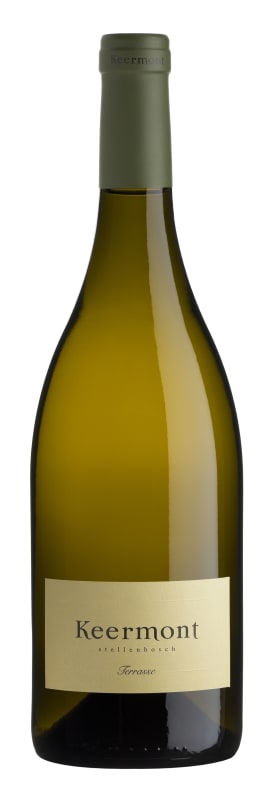


Winemaker Notes
A polished light yellow gold color, this wine has a bouquet of citrus blossom with hazelnut, lemon grass and butterscotch undertones. The wine has a soft sweet entry with a racy linear acidity. Ripe citrus and stone fruit flavors evolve into a lovely lingering dry earthy finish. This is a textured white wine with layers of flavor.
Blend: 55% Chenin Blanc, 18% Chardonnay, 16% Sauvignon Blanc, 10% Viognier, 1% Roussanne
Professional Ratings
-
Vinous
The 2019 Terrasse shows a little more intensity on the nose compared to the previous vintage, and perhaps just a bit more clarity and delineation. The palate is well balanced with a fine bead of acidity and more salinity than the 2018, revealing orange peel and mango toward the edgy, persistent finish. This is a killer white blend from Keermont.
-
James Suckling
Sliced apples, pears, grapefruit pith and white pepper on the nose. Some dried jasmine, too. Medium-to full-bodied with a textured, spicy and mineral palate. Excellent focus.

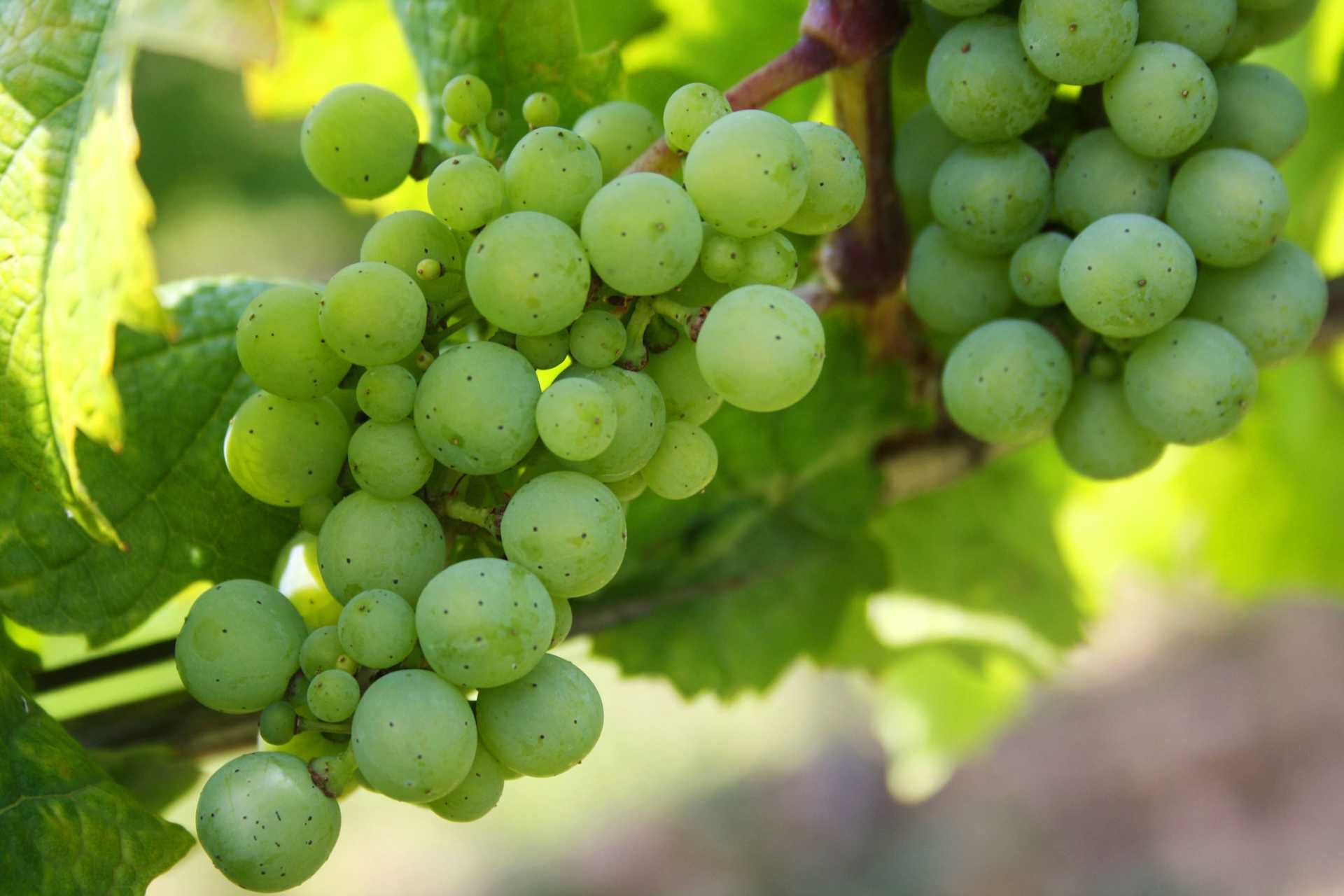
With hundreds of white grape varieties to choose from, winemakers have the freedom to create a virtually endless assortment of blended white wines. In many European regions, strict laws are in place determining the set of varieties that may be used in white wine blends, but in the New World, experimentation is permitted and encouraged. Blending can be utilized to enhance balance or create complexity, lending different layers of flavors and aromas. For example, a variety that creates a soft and full-bodied white wine blend, like Chardonnay, would do well combined with one that is more fragrant and naturally high in acidity. Sometimes small amounts of a particular variety are added to boost color or aromatics. Blending can take place before or after fermentation, with the latter, more popular option giving more control to the winemaker over the final qualities of the wine.

South Africa’s most famous wine-producing district, Stellenbosch, surrounds the historic town with the same name; fine winemaking here dates back to the late 1600s. Its valleys of granite, sandstone and alluvial loam soils between the towering blue-grey mountains of Stellenbosch, Simonsberg and Helderberg have the capacity to produce beautiful wines from many varieties. The climate is warm Mediterranean, tempered by the cool Atlantic air of nearby False Bay.
Perhaps most well-known for its Pinotage and Bordeaux blends, Stellenbosch also produces noteworthy wines from Syrah, Chenin blanc, Chardonnay and Sauvignon blanc. The district’s wards—Banghoek, Bottelary, Devon Valley, Jonkershoek Valley, Papegaaiberg, Polkadraai Hills and Simonsberg-Stellenbosch—all produce distinctive wines from vines with relatively low yields.