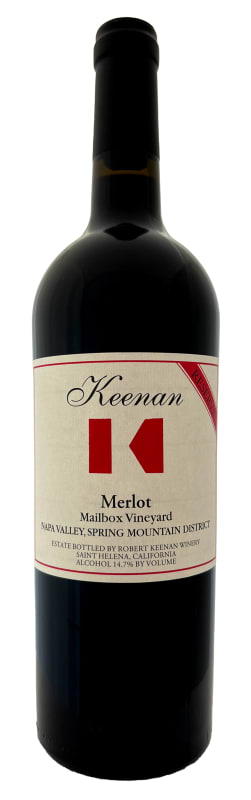


Winemaker Notes
For the nineteenth consecutive year the rechristened “Mailbox” vineyard has been chosen as the source for the Reserve Merlot bottling. Hints of violets and a signature earthy spiciness show in the nose, a chocolaty creaminess combines with the rich dark full fruit on the palette, the finish is beautifully layered, deep, elegant and very, very long. Drink now or decades from now.
Professional Ratings
-
Vinous
The 2021 Merlot Reserve Mailbox Vineyard will delight readers who enjoy old-school Napa Valley classicism. There is nothing flashy or fancy here, just a savory, structured mountain Merlot with a ton of character. Dark fruit, herbs, pine, underbrush and graphite are some of the many nuances that open with a bit of coaxing. I would be hard pressed to call this Merlot in a blind tasting. It's more a wine of place than anything else.
-
James Suckling
A well-concentrated, deep but relaxed wine that's full-bodied and drinks easily. With each sip, more raspberries, cherries, blackcurrants and dark chocolate come out, braced by firm but polished tannins. Drink now or hold.




While the beauty and history of the land are appealing, it is the richness of the soils that makes the hillside perfect for an estate winery. These soils are, in great measure, responsible for the dramatic intensity of the fruit associated with the ultra-premium wines produced at Robert Keenan Winery.
Keenan completed a solar power system on their property that went on-line in 2007. The system supplies all of the estate’s energy needs, including the winery, administrative offices, visitor hospitality area, and the homes located on the property. The Napa Valley Vintners have recognized Keenan as a “green” winery, which they proudly announce on the back labels: Solar Powered and Sustainably Farmed.

With generous fruit and supple tannins, Merlot is made in a range of styles from everyday-drinking to world-renowned and age-worthy. Merlot is the dominant variety in the wines from Bordeaux’s Right Bank regions of St. Emilion and Pomerol, where it is often blended with Cabernet Franc to spectacular result. Merlot also frequently shines on its own, particularly in California’s Napa Valley. Somm Secret—As much as Miles derided the variety in the 2004 film, Sideways, his prized 1961 Château Cheval Blanc is actually a blend of Merlot and Cabernet Franc.

Above the town of St. Helena on the eastern slopes of the Mayacamas Mountains sits the Spring Mountain District.
A dynamic region, its vineyards, cut by numerous springs and streams, vary in elevation, slope and aspect. Soils differ throughout with over 20 distinct types inside of the 8,600 acres that define the appellation. Within that area, only about 1,000 are planted to vineyards. Predominantly farmed by small, independent producers, the region currently has just over 30 wineries.
During the growing season, late afternoon Pacific Ocean breezes reach the Spring Mountain vineyards, which sit at between 400 and 1,200 feet. Daytime temperatures during mid summer and early fall remain slightly cooler than those of the valley floor.
Spring Mountain soils—volcanic matter and sedimentary rock—create intense but balanced reds with lush and delicate tannins. The area excels with Bordeaux varieties such as Cabernet Sauvignon, Cabernet Franc and Merlot and in some cooler spots, Chardonnay.