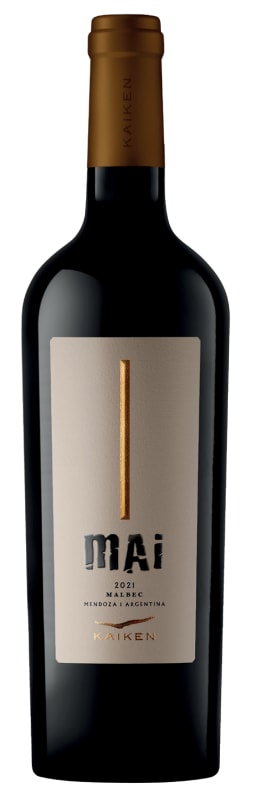


Winemaker Notes
Intense ruby red color with violet tints and legs which flow more slowly down the sides orf the glass. The effect of years in barrel and bottle ageing stands out as well as an elegant combination of aromas of ripe fruit such as cherry and figs, and red and black fruits like strawberries, cherries, plums, and raspberries, intertwined with notes of tobacco, vanilla and nuts. It is intensely aromatic and very complex. The palate is intense but very delicate, with a sweet entry and balanced acidity that reveals a prolonged and elegant finish. This harmonious wine, with balanced tannins, delivers a complex and silky mouthfeel. Full-bodied with a persistent finish. The flavors enhance the aromatic sensations and prolong them over time, just like this centenary vineyard that continues to write its story with each harvest.
It is a powerful wine that pairs very well with red meats such as steak, lamb, and roasted duck. The richness and intensity of the meat are balanced by the complexity and structure of the wine.
Professional Ratings
-
James Suckling
This is one of the best Mai wines I have ever tasted, with blackberry, mineral, bark, spice and coffee bean character. It’s medium- to full-bodied with fine linear tannins that run the length of the wine. Racy and energetic. From vineyards over 100 years old. Real old vine wine. Drink or hold.
-
Vinous
The 2021 Malbec Mai, crafted from vines in Vistalba, Luján de Cuyo, was aged for 18 months in barrel. This edition represents a stylistic shift, which is heightened by a vintage that lent nuance. The 2021 begins with cedar notes and quickly develops into fresh plum, white pepper and violet. Broad, creamy and concentrated, its velvety tannins capture the essence of Vistalba.
-
Jeb Dunnuck
Intended as Kaiken's first icon wine, the 2021 Malbec Mai is built to age and should do it well. This 100% Malbec from 120-year-old vines is explosive on the palate in supple tannins and subtle red and blue currant and plum. Cellar through 2041.
-
Wine Spectator
Spicy floral notes meld with vanilla bean accents in this lavish and concentrated version, with berry tart flavors at the center and hints of cassis and cedar spice rounding out the midpalate. There's just enough acidity to balance out the richness, which aids in lengthening the spice-filled finish, which shows a pleasant grip. Drink now through 2040.
-
Wine Enthusiast
This is the winery's top wine from old vines in Vistalba, Luján de Cuyo. After aeration, the nose offers lovely aromas of licorice and cassis. It's plush on the palate, with sweet spices, blackberry and blueberry. Excellent acidity manages to drive rich flavors of cassis through a long finish.


In 2000, Aurelio Montes, winemaker and founding member of Viña Montes in Chile, visited Mendoza and fell in love with its people, its terroir, the winegrowing culture and the opportunity to both learn and contribute his experience, anticipating the great potential pulsing in the area and Argentine vineyards in general.
After a series of exploratory trips, Kaiken Wines was born in 2002. Much like the caiquenes, the wild geese that fly over Patagonia between Chile and Argentina, Mr. Montes decided to cross the Andes with a firm purpose in mind: making great wines by combining the exceptional geographical conditions offered by Mendoza with the work and talent of both Chilean and Argentine experts.
Kaiken Winery is located in the district of Vistalba and relies on state-of-the-art technology. All of its wines are made with grapes sourced from estates distributed across the very best winemaking areas in the provinces of Mendoza (such as Vistalba, Agrelo and Vista Flores) and Salta (Cafayate).
Kaiken Wines stand out for their elegance and modern style without compromising varietal typicity. The following lines are currently available: Kaiken Mai, Obertura Aventura,Kaiken Disobedience by Francis Mallmann, Ultra, Indómito, Terroir Series and Estate Series.

Celebrated for its bold flavors and supple texture, Malbec has enjoyed runaway success in Argentina since the late 20th century. The grape originated in Bordeaux, France, where it historically contributed color and tannin to blends. A French agronomist, who saw great potential for the variety in Mendoza’s hot, high-altitude landscape, brought Malbec to Argentina in 1868. Somm Secret—If you’re trying to please a crowd, Malbec is generally a safe bet with its combination of dense fruit and soft tannins.

By far the largest and best-known winemaking province in Argentina, Mendoza is responsible for over 70% of the country’s enological output. Set in the eastern foothills of the Andes Mountains, the climate is dry and continental, presenting relatively few challenges for viticulturists during the growing season. Mendoza, divided into several distinctive sub-regions, including Luján de Cuyo and the Uco Valley, is the source of some of the country’s finest wines.
For many wine lovers, Mendoza is practically synonymous with Malbec. Originally a Bordelaise variety brought to Argentina by the French in the mid-1800s, here it found success and renown that it never knew in its homeland where a finicky climate gives mixed results. Cabernet Sauvignon, Syrah, Merlot and Pinot Noir are all widely planted here as well (and sometimes even blended with each other or Malbec). Mendoza's main white varieties include Chardonnay, Torrontés, Sauvignon Blanc and Sémillon.