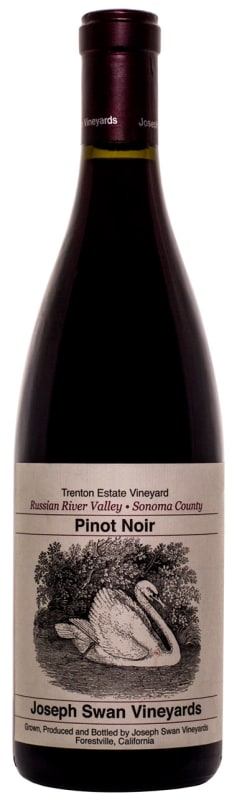


Winemaker Notes
Gorgeous aromas of red berries and cherries with a slight hind of mint. In the mouth, it is amazingly lush, with just enough acid to brighten it. Silky and full, the finish is long and smooth.
Professional Ratings
-
Jeb Dunnuck
Moving to the two 2015s releases, the 2015 Pinot Noir Trenton Estate is one of the darker hued releases in the lineup and it has a bright ruby/purple hue with almost no amber at the rim. Seeing around 30% stems and 15 months in 60% new French oak, it has a wonderful bouquet of black raspberries, dark cherries, tobacco, California bay, and chocolatey spice. This carries to a medium to full-bodied Pinot Noir with a silky, seamless texture, polished tannins, nicely integrated acidity, and a great finish. I love the complexity here as well as the vibrancy in the fruit, and I think this is a small step up over the 2013.
-
Robert Parker's Wine Advocate
The 2015 Pinot Noir Trenton Estate Vineyard has mature aromas of dried red and black fruits with notes of mushroom, damp earth, potpourri and mossy bark. It's serious in the mouth with a firm frame and earthy undercurrent, lifted by good freshness and lilting citrusy accents, finishing long.
-
Wine Spectator
Mouthfilling and crunchy flavors of cherry, plum, currant and raspberry are well-integrated and backed by lively acidity. The finish is filled with spice and mineral accents.


While the Russian River Valley is a large appellation with multiple climate zones and soil types, it is best known for cool-climate varieties, with Pinot Noir as the most celebrated. The grapes benefit from a reliable late afternoon flow of Pacific Ocean fog through the Petaluma Gap and along the Russian River Valley that ensures slow and steady ripening and the preservation of grape acidity. Today many of California’s most highly regarded Pinot Noir vineyards are in the Russian River Valley, along with its sub-appellation, Green Valley.
Historically Russian River Valley Pinot Noirs had bright red fruit and delicate earthy, mineral notes. But changes in viticultural and winemaking practices have led to stylistic changes in some of the region’s wines. Adjustments to canopy management, among other techniques, have resulted in riper fruit and bolder wines as well. These show flavors of black cherry, blackberry, cola, spice and darker, loamy earth tones, accenting traditional Pinot Noir notes of strawberry, raspberry and light cherry.