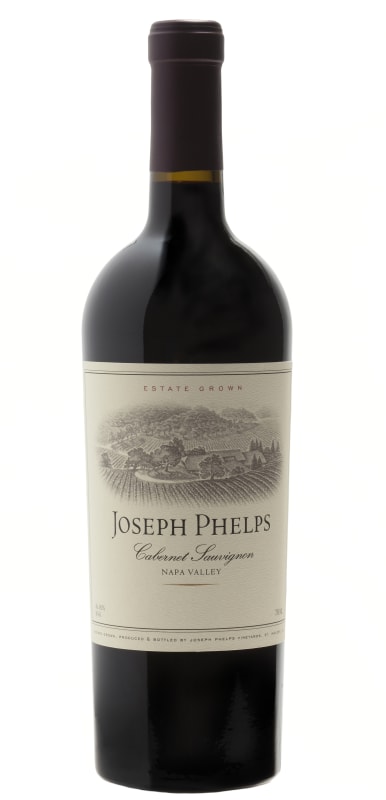


Winemaker Notes
Blend: 78% Cabernet Sauvignon, 15% Merlot, 3% Petit Verdot, 2% Malbec, 2% Cabernet Franc
Professional Ratings
-
Jeb Dunnuck
The only 2015 I was able to taste from this estate (I couldn’t visit due to the fires), the 2015 Cabernet Sauvignon is 78% Cabernet Sauvignon, 15% Merlot and the rest Petit Verdot. Deeper and richer than the 2014 with gorgeous notes of black currants, plums, graphite, toasted spice and licorice, this beauty is full-bodied, supple and seamless on the palate, with fine, fine tannin and surprising freshness and purity. It’s a beautiful, layered wine to drink over the coming 15-20 years.
-
James Suckling
Lots of burnt orange with currant and dust undertones. Some rose petal, too. Full body, chewy and tannic with lots of tension and intensity. Needs two or three years to soften but already a very impressive wine for the vintage. Drink in 2020.
-
Robert Parker's Wine Advocate
Blended of 78% Cabernet Sauvignon, 15% Merlot, 3% Petit Verdot, 2% Malbec and 2% Cabernet Franc, sourced from six vineyards, the 2015 Cabernet Sauvignon reveals a medium to deep garnet-purple color and nose of red and black currants, black raspberries and mulberries with hints of pencil shavings, cinnamon stick, cloves and vanilla pod. Medium to full-bodied, the palate has great freshness, with the vibrant, open-for-business fruit well supported by ripe, grainy tannins, finishing with good length.
-
Wine Enthusiast
Leather, tobacco and smoky char define the opening of this fullbodied, rich wine, blended with 15% Merlot, 3% Petit Verdot, 3% Malbec and 2% Cabernet Franc. Woody and structured, its fruit leans dark and plummy, ending on a touch of dark chocolate.





Joseph Phelps Vineyards is a family-owned winery committed to crafting world class, estate-grown wines. Founded in 1973 when Joe Phelps purchased a former cattle ranch near St. Helena in the Napa Valley, the winery now controls and farms nearly 375 acres of vines on eight estate vineyards in St. Helena, the Stags Leap District, Oakville, Rutherford, Oak Knoll District, Carneros and South Napa Valley. In 1999, the Phelps family added 100 acres of vineyard property near the town of Freestone on the Sonoma Coast, where Phelps now grows Pinot Noir and Chardonnay.
Phelps is best known for its flagship Napa Valley blend of red Bordeaux varietals, Insignia, first produced in 1974. Awarded Wine Spectator's "Wine of the Year" in 2005, Insignia is widely regarded as a qualitative benchmark for California winemaking.

One of the most prestigious wines of the world capable of great power and grace, Napa Valley Cabernet is a leading force in the world of fine, famous, collectible red wine. Today the Napa Valley and Cabernet Sauvignon are so intrinsically linked that it is difficult to discuss one without the other. But it wasn’t until the 1970s that this marriage came to light; sudden international recognition rained upon Napa with the victory of the Stag’s Leap Wine Cellars 1973 Cabernet Sauvignon in the 1976 Judgement of Paris.
Cabernet Sauvignon undoubtedly dominates Napa Valley today, covering half of the land under vine, commanding the highest prices per ton and earning the most critical acclaim. Cabernet Sauvignon’s structure, acidity, capacity to thrive in multiple environs and ability to express nuances of vintage make it perfect for Napa Valley where incredible soil and geographical diversity are found and the climate is perfect for grape growing. Within the Napa Valley lie many smaller sub-AVAs that express specific characteristics based on situation, slope and soil—as a perfect example, Rutherford’s famous dust or Stags Leap District's tart cherry flavors.