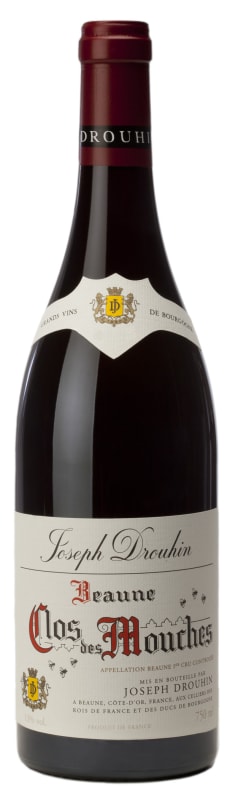


Winemaker Notes
An exceptional wine. Beautiful, deep-red ruby color, with the bright sheen of great Burgundies. Intense and fresh nose for the young wines. Primary notes of red fruit dominate, such as Morello cherry (“griotte”, or wild cherry), raspberry, blackberry. There are hints of complexity with smoky flavors evolving towards licorice. When the wine is maturing, aromas of pepper, tobacco, humus and undergrowth appear. When drinking the wine, the first impression is always clear-cut and the texture fleshy. The body is firm without being rough, well meshed without being heavy. There is great freshness in the younger wines. With age, the wine gets rounder. It takes on “gras” (velvety texture) and a more precise architecture, supported by silky tannins. It is lively and refined at the same time. There remains a final and most pleasing sensation of harmony, fullness and delicate tannins, as the wine lingers on the palate.
Professional Ratings
-
James Suckling
A perfumed and spicy wine with ripe strawberries, smoke and chocolate. Full, very savory and intense. Long aftertaste with lots of perfume. Fine, creamy texture. Really spicy at the finish. Drink after 2022 and onwards.
-
Decanter
The Drouhins' red version of the Clos des Mouches combines grapes from the high and low parts of the Premier Cru and is a blend of seven different micro cuvées. Fermented with 25% whole bunches and aged in 20% new wood, this is textured, refined and well balanced, with all the focus and freshness of one of Beaune's most special sites.
-
Wine Spectator
Classy, this pliant, succulent red boasts black cherry, raspberry, floral and spice flavors. It's firm and focused, with a silky texture and lingering notes of fruit and spice. Best from 2023 through 2038. 300 cases imported.


Thin-skinned, finicky and temperamental, Pinot Noir is also one of the most rewarding grapes to grow and remains a labor of love for some of the greatest vignerons in Burgundy. Fairly adaptable but highly reflective of the environment in which it is grown, Pinot Noir prefers a cool climate and requires low yields to achieve high quality. Outside of France, outstanding examples come from in Oregon, California and throughout specific locations in wine-producing world. Somm Secret—André Tchelistcheff, California’s most influential post-Prohibition winemaker decidedly stayed away from the grape, claiming “God made Cabernet. The Devil made Pinot Noir.”

While the city represents the epicenter of wine production in Burgundy, the term, “Beaune” also refers to the specific sub-appellation of the greater Côte de Beaune, whose vineyards climb up the pastoral slopes that border the city to its west. Originally founded as a Roman camp by Julius Caesar, the city of Beaune eventually became the seat of the dukes of Burgundy until the 13th century. Today it is home to top négociants such as Louis Jadot, Joseph Drouhin, Louis Latour, and Bouchard Père et Fils.
The appellation, dominated by Pinot Noir plantings, represents a lovely and charming place to begin to understand red Burgundy. Its sandy soils create light and supple, floral driven Pinot Noir. These wines are designed to be enjoyed within five to 10 years. The vineyards of Beaune span a broad swath of Premier Crus from Savigny-lès-Beaune to its border with Pommard.
Chardonnay acreage here has been increasing here in the more recent years.