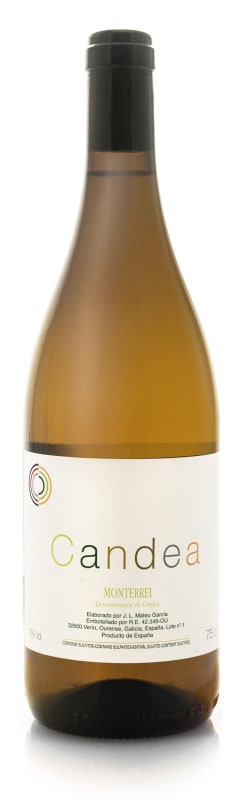


Winemaker Notes
On the nose, beeswax, honeycomb, golden apple, wet stone. On the palate, mouthfilling and expansive. Ripe apple and pear are framed by stony minerals, lambswool and flowers. Beautifully balanced between fruit and mineral, weight and acidity. Long, mouthwatering finish.
Professional Ratings
-
Wine & Spirits
José Luis Mateo, of Quinta da Muradella, makes his Candea wines at a friend’s cellar, using grapes he helps farm at his friend’s vineyard. This is a blend of treixadura, doña blanca and verdello, fermented in stainless steel without added yeasts and aged on the lees. The wine starts out reductive, needing a shake in a decanter to bring out the succulent flavors of lemon curd and nectarine. The underlying salinity, joined by notes of white miso and hay, leave a subtle and racy impression. It would be delicious with wild mushroom empanadas.
-
Robert Parker's Wine Advocate
The white 2016 Candea Blanco is a blend of equal parts Dona Blanca, Verdello and Treixadura from 20-year-old vineyards in the village of Tamagos at 370 meters in altitude on clay soils. It fermented at low temperature in stainless steel with indigenous yeasts and was kept with the lees for one year, but the lees were not stirred. This has the austere profile of the cooler vintages, where the whites from Monterrei excel and show the rocky minerality. This is more about soils than grapes, and the palate also reveals the texture. This is incredible for the price. 6,000 bottles produced. It was bottled in June 2018. There is no 2017 of this white, as they lost the grapes as a result of the killer frost that year. So, it will come back with 2018.

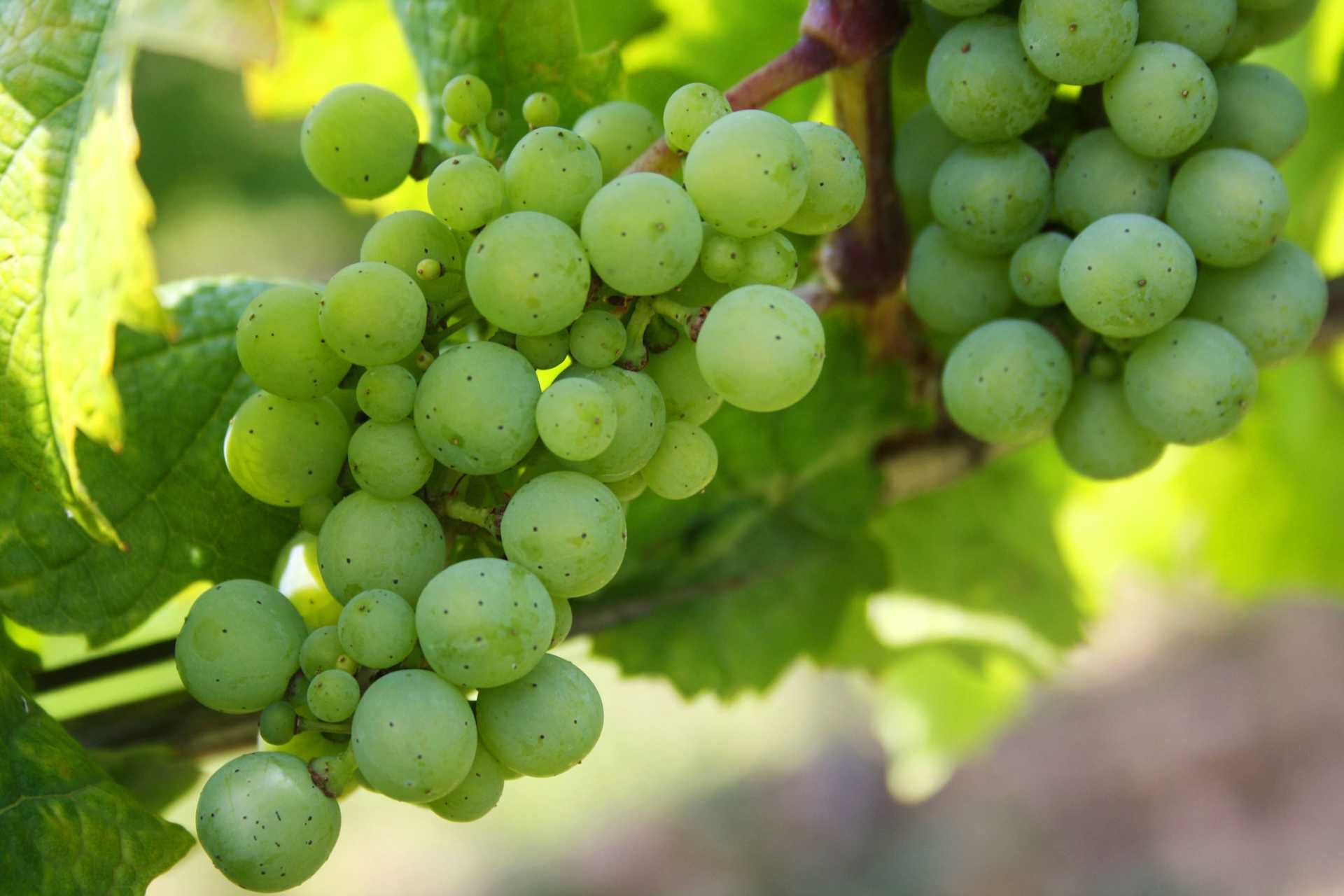
With hundreds of white grape varieties to choose from, winemakers have the freedom to create a virtually endless assortment of blended white wines. In many European regions, strict laws are in place determining the set of varieties that may be used in white wine blends, but in the New World, experimentation is permitted and encouraged. Blending can be utilized to enhance balance or create complexity, lending different layers of flavors and aromas. For example, a variety that creates a soft and full-bodied white wine blend, like Chardonnay, would do well combined with one that is more fragrant and naturally high in acidity. Sometimes small amounts of a particular variety are added to boost color or aromatics. Blending can take place before or after fermentation, with the latter, more popular option giving more control to the winemaker over the final qualities of the wine.

The Monterrei wine region in the northwestern region of Galicia on the border of Portugal takes its name from 'Monterrey', which means “the king's mountain” in Castilian; Monterrei is the Galician spelling. The hilltop fortress of the area overlooks the vineyards, which run north to south. Compared to other regions, the area was awarded DO status later, in 1996, although it had won provisional DO status in the 1970s.
There is a slow comeback of native grapes and winemaking styles like those in other parts of Galicia—fresh, fruity white wines and young Mencía-based red wines. While there is new investment coming into the region's small family and cooperative bodegas, much of the wine is still sold in bulk and work with native varieties is still in the early stages, but pioneering bodegas are showing the potential of the vineyards. The DO supports this by awarding the Monterrei Superior label to wines made with 85% of any native variety.
The principal white wine varieties are Doña Blanca, Godello and Treixadura while the red wines are made primarily from Mencía and Bastardo (Trousseau).