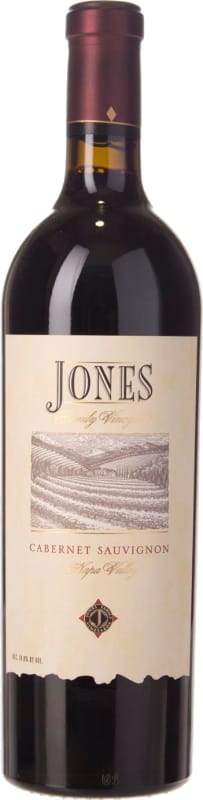


Winemaker Notes
The 2014 Estate Cabernet Sauvignon shows remarkable approachability early in its maturation process, possessing a harmonious balance of complex flavors, great depth, power and nuance. The wine is almost completely opaque in the glass with a red-black core and dark ruby halo around the edge. Aromatic notes of clove, rose hips, cedar bark, crushed raspberry and eucalyptus oil have a seamless interplay that swells forth in a lithe manner. The mouth feel and trajectory of the wine is sleek and decadent. Palate notes to consider are cassis reduction, quince paste, blood orange oil, blackberry liqueur, sandalwood, pine bough and pomegranate juice. There is a bracing acid backbone that keeps all these rich fruit notes in order, providing a mouth-watering framework, coupled with an extremely fine tannin structure.
Professional Ratings
-
Robert Parker's Wine Advocate
Its bigger sister, the 2014 Cabernet Sauvignon is a gorgeous wine with exceptional purity and ripeness, a dense ruby/purple color, and a gorgeous nose of blueberry, blackberry and cassis. Throw in a few floral characteristics, an opulent, full-bodied mouthfeel, stunning length and overall equilibrium and you have a great Napa Cabernet Sauvignon that can be drunk now or cellared for 15-20+ years. This is a beauty and a sensual wine.


One of the most prestigious wines of the world capable of great power and grace, Napa Valley Cabernet is a leading force in the world of fine, famous, collectible red wine. Today the Napa Valley and Cabernet Sauvignon are so intrinsically linked that it is difficult to discuss one without the other. But it wasn’t until the 1970s that this marriage came to light; sudden international recognition rained upon Napa with the victory of the Stag’s Leap Wine Cellars 1973 Cabernet Sauvignon in the 1976 Judgement of Paris.
Cabernet Sauvignon undoubtedly dominates Napa Valley today, covering half of the land under vine, commanding the highest prices per ton and earning the most critical acclaim. Cabernet Sauvignon’s structure, acidity, capacity to thrive in multiple environs and ability to express nuances of vintage make it perfect for Napa Valley where incredible soil and geographical diversity are found and the climate is perfect for grape growing. Within the Napa Valley lie many smaller sub-AVAs that express specific characteristics based on situation, slope and soil—as a perfect example, Rutherford’s famous dust or Stags Leap District's tart cherry flavors.