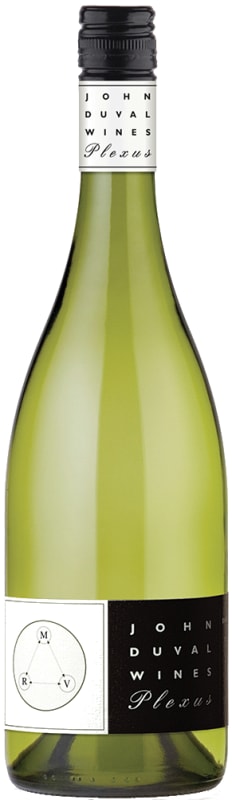


Winemaker Notes
A textural, Rhone inspired Barossa white blend of Roussanne, Marsanne and Viognier.
Blend: 50% Marsanne, 41% Roussanne, 9% Viognier
Professional Ratings
-
James Suckling
Predominantly Eden Valley marsanne and roussanne, this has attractive pear and melon aromas with fresh apple and gentle peach. Little oak here. The palate has a very smooth core of pear and apple flavor with gently creamy texture and acidity holding below. Some light nutty elements, too.
-
Wine Spectator
Strikes a balance between elegance and power, with focused flavors of Meyer lemon, mango and Asian pear, set against a silky, seamless and juicy frame. Sesame seed and oolong tea notes emerge on the finish. Marsanne, Roussanne and Viognier. Drink now. 400 cases imported.


Full-bodied and flavorful, white Rhône blends originate from France’s Rhône Valley. Today these blends are also becoming popular in other regions. Typically some combination of Grenache Blanc, Marsanne, Roussanne and Viognier form the basis of a white Rhône blend with varying degrees of flexibility depending on the exact appellation. Somm Secret—In the Northern Rhône, blends of Marsanne and Roussanne are common but the south retains more variety. Marsanne, Roussanne as well as Bourboulenc, Clairette, Picpoul and Ugni Blanc are typical.

Historically and presently the most important wine-producing region of Australia, the Barossa Valley is set in the Barossa zone of South Australia, where more than half of the country’s wine is made. Because the climate is very hot and dry, vineyard managers work diligently to ensure grapes reach the perfect levels of phenolic ripeness.
The intense heat is ideal for plush, bold reds, particularly Shiraz on its own or Rhône Blends. Often Shiraz and Cabernet partner up for plump and powerful reds.
While much less prevalent, light-skinned varieties such as Riesling, Viognier or Semillon produce vibrant Barossa Valley whites.
Most of Australia’s largest wine producers are based here and Shiraz plantings date back as far as the 1850s or before. Many of them are dry farmed and bush trained, still offering less than one ton per acre of inky, intense, purple juice.