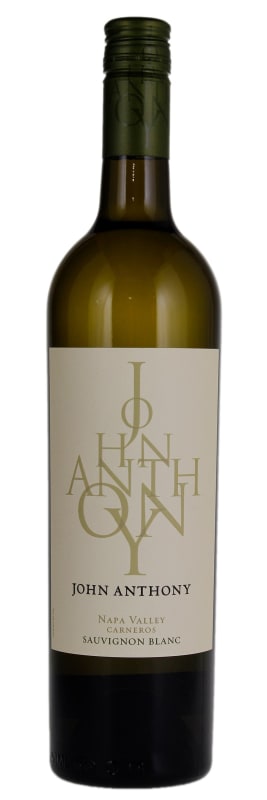


Winemaker Notes
Professional Ratings
-
Jeb Dunnuck
The base 2019 Sauvignon Blanc, which comes from Carneros, follows suit with its exotic pineapple and tropical fruit-driven style, but it has a touch more freshness and vibrancy as well as a kiss of minerality. Medium-bodied, with a clean, fresh, crisp style on the palate, it should keep nicely for 2-3 years. If I had to choose a favorite between the two, I would take the base appellation release over the more expensive single vineyard.
-
James Suckling
This has fresh, fruity aromas of pomelo, grapefruit zest, guava and green mango. It’s medium-bodied with deliciously concentrated tropical-fruit and citrus flavors, bright acidity and a creamy texture. Hint of residual? Drink now. Screw cap.


Capable of a vast array of styles, Sauvignon Blanc is a crisp, refreshing variety that equally reflects both terroir and varietal character. Though it can vary depending on where it is grown, a couple of commonalities always exist—namely, zesty acidity and intense aromatics. This variety is of French provenance. Somm Secret—Along with Cabernet Franc, Sauvignon Blanc is a proud parent of Cabernet Sauvignon. That green bell pepper aroma that all three varieties share is no coincidence—it comes from a high concentration of pyrazines (herbaceous aromatic compounds) inherent to each member of the family.

One of the world's most highly regarded regions for wine production as well as tourism, the Napa Valley was responsible for bringing worldwide recognition to California winemaking. In the 1960s, a few key wine families settled the area and hedged their bets on the valley's world-class winemaking potential—and they were right.
The Napa wine industry really took off in the 1980s, when producers scooped up vineyard lands and planted vines throughout the county. A number of wineries emerged, and today Napa is home to hundreds of producers ranging from boutique to corporate. Cabernet Sauvignon is definitely the grape of choice here, with many winemakers also focusing on Bordeaux blends. White wines from Napa Valley are usually Chardonnay and Sauvignon Blanc.
Within the Napa Valley lie many smaller sub-AVAs that claim specific wine characteristics based on situation, slope and soil. Farthest south and coolest from the influence of the San Pablo Bay is Carneros, followed by Coombsville to its northeast and then Yountville, Oakville and Rutherford. Above those are the warm St. Helena and the valley's newest and hottest AVA, Calistoga. These areas follow the valley floor and are known generally for creating rich, dense, complex and smooth red wines with good aging potential. The mountain sub appellations, nestled on the slopes overlooking the valley AVAs, include Stags Leap District, Atlas Peak, Chiles Valley (farther east), Howell Mountain, Mt. Veeder, Spring Mountain District and Diamond Mountain District. Napa Valley wines from the mountain regions are often more structured and firm, benefiting from a lot of time in the bottle to evolve and soften.