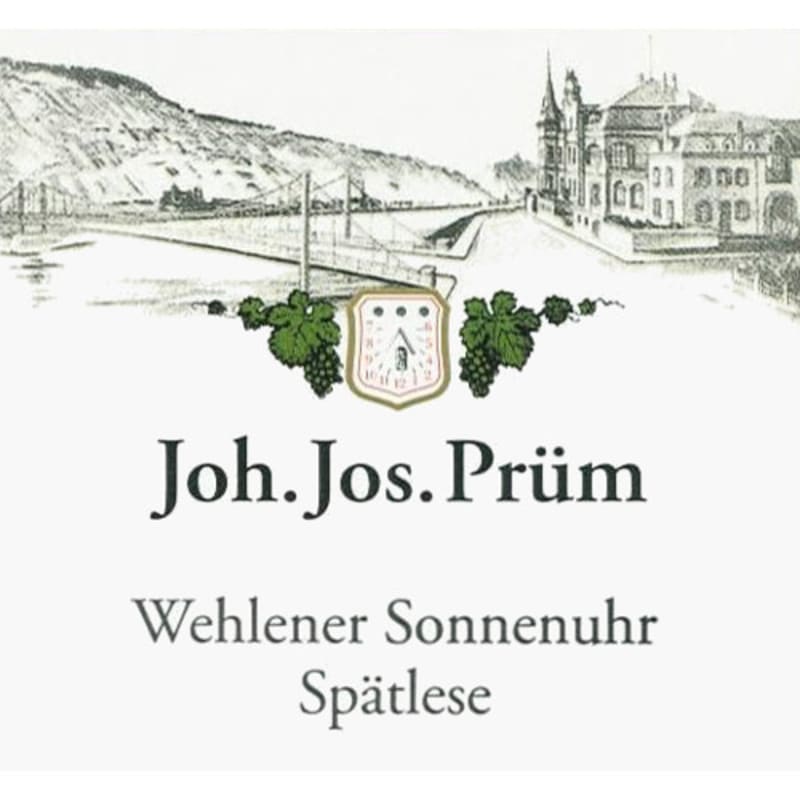

Winemaker Notes
Professional Ratings
-
Wine Spectator
Elegant and ethereal, with mouthwatering acidity behind the fresh-cut apple, cinnamon and ripe pear flavors. Shows lots of glazed apricot notes as well, with a vibrant finish that oozes creaminess and minerality. Mouthwatering. Drink now through 2035.
-
Robert Parker's Wine Advocate
Emphasizing the bitter side of the vanilla bean as well as toasted nuts and cyanic apple pit, the Prum 2010 Wehlener Sonnenuhr Riesling Spatlese A.P. #14 thereby generates a fascinating contrast with its apple jelly and honey richness. Alkaline and wet stone notes – beginning already in the nose – enhance that contrast. Nut oils, honey and apple reprise in a lusciously lingering finish. Less charming, refreshing, exuberant, or focused in finish than the corresponding Graacher, this Wehlener will almost certainly need a longer time to show its true potential; but one can rest assured based on one of Germany’s most certifiable track-records that at least a quarter century of pleasure is in the offing here. (I did not have opportunity to taste the corresponding auction cuvee, A.P. #26.)





Riesling possesses a remarkable ability to reflect the character of wherever it is grown while still maintaining its identity. A regal variety of incredible purity and precision, this versatile grape can be just as enjoyable dry or sweet, young or old, still or sparkling and can age longer than nearly any other white variety. Somm Secret—Given how difficult it is to discern the level of sweetness in a Riesling from the label, here are some clues to find the dry ones. First, look for the world “trocken.” (“Halbtrocken” or “feinherb” mean off-dry.) Also a higher abv usually indicates a drier Riesling.

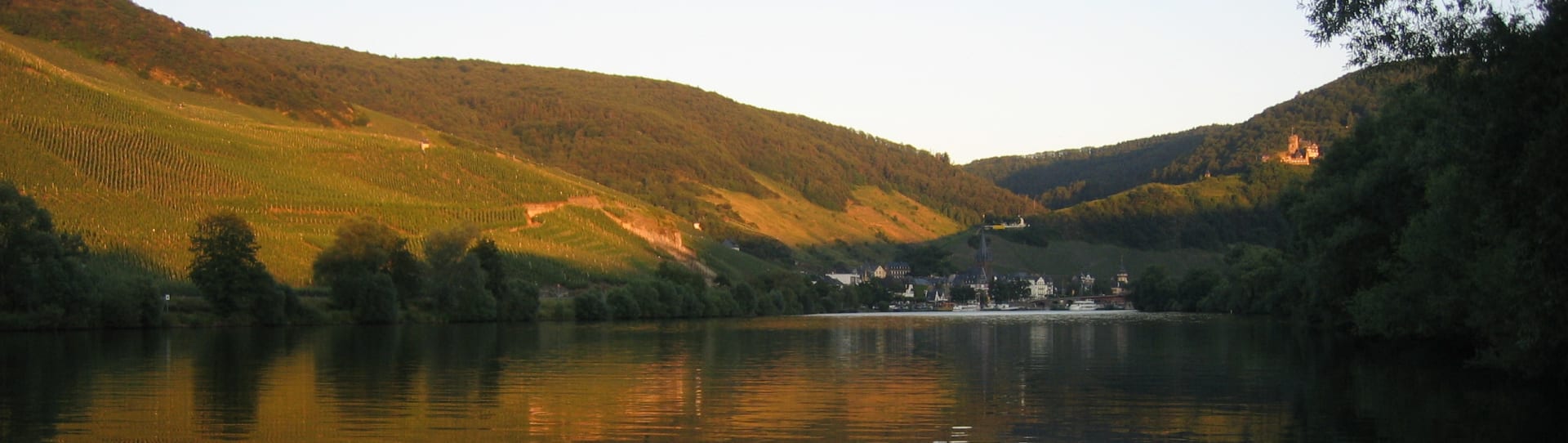
Following the Mosel River as it slithers and weaves dramatically through the Eifel Mountains in Germany’s far west, the Mosel wine region is considered by many as the source of the world’s finest and longest-lived Rieslings.
Mosel’s unique and unsurpassed combination of geography, geology and climate all combine together to make this true. Many of the Mosel’s best vineyard sites are on the steep south or southwest facing slopes, where vines receive up to ten times more sunlight, a very desirable condition in this cold climate region. Given how many twists and turns the Mosel River makes, it is not had to find a vineyard with this exposure. In fact, the Mosel’s breathtakingly steep slopes of rocky, slate-based soils straddle the riverbanks along its entire length. These rocky slate soils, as well as the river, retain and reflect heat back to the vineyards, a phenomenon that aids in the complete ripening of its grapes.
Riesling is by far the most important and prestigious grape of the Mosel, grown on approximately 60% of the region’s vineyard land—typically on the desirable sites that provide the best combination of sunlight, soil type and altitude. The best Mosel Rieslings—dry or sweet—express marked acidity, low alcohol, great purity and intensity with aromas and flavors of wet slate, citrus and stone fruit. With age, the wine’s color will become more golden and pleasing aromas of honey, dried apricot and sometimes petrol develop.
Other varieties planted in the Mosel include Müller-Thurgau, Spätburgunder (Pinot Noir) and Weissburgunder (Pinot Blanc), all performing quite well here.