
Winemaker Notes
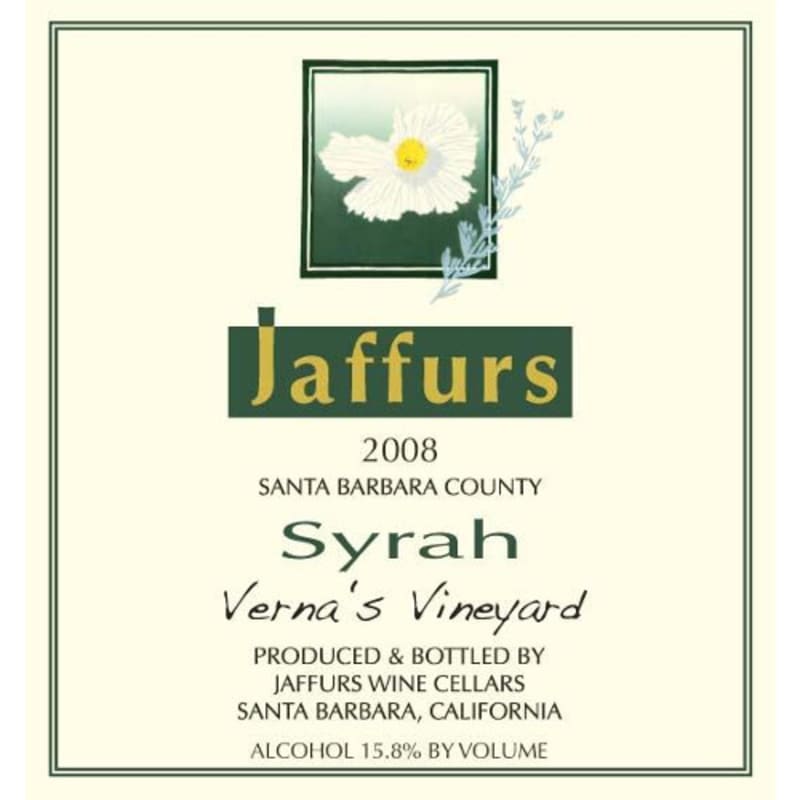
The 2008 Verna's Vineyard Syrah is chewy, dark, sweet herb, intensely flavored, olive tampenade, chocolaty, fruitful wine. Already powerful, whole cluster fermentation adds weight and a spice component. A blend of Estrella, Clone 1, and 174 clones grapes yields balance and complexity.
Professional Ratings
-
Wine Spectator
Offers an exotic mix of peppery scents that are rich and full-bodied, showing touches of mineral, earth and dried berry, with hints of boysenberry and huckleberry. Returns to the peppery, spicy notes on the long, elegant finish. Drink now through 2020.
-
Robert Parker's Wine Advocate
Black raspberry, black cherry, camphor, and subtle smoke jump from the glass of the Syrah Verna’s Vineyard. Complex aromatics are followed by a powerful, full-bodied wine with everything going the right way. The floral notes, the blue, black, and red fruits, the full-bodied mouthfeel, the unctuosity of the texture, and the rich, seamless integration of all the components are very special in this brilliant, full-throttle Syrah. It should be drunk over the next decade. The finish is 40 seconds plus.
-
Wine Enthusiast
Grown in the Los Alamos Valley, this Syrah is notable for richness. It's marked by peppery aromas, then turns spicy and huge in ripe blackberries, cassis and grilled teriaki beef, with complications from sweet, smoky oak. Simply delicious now, and will hil in the bottle for up to five years.


Marked by an unmistakable deep purple hue and savory aromatics, Syrah makes an intense, powerful and often age-worthy red. Native to the Northern Rhône, Syrah achieves its maximum potential in the steep village of Hermitage and plays an important component in the Red Rhône Blends of the south, adding color and structure to Grenache and Mourvèdre. Syrah is the most widely planted grape of Australia and is important in California and Washington. Sommelier Secret—Such a synergy these three create together, the Grenache, Syrah, Mourvedre trio often takes on the shorthand term, “GSM.”
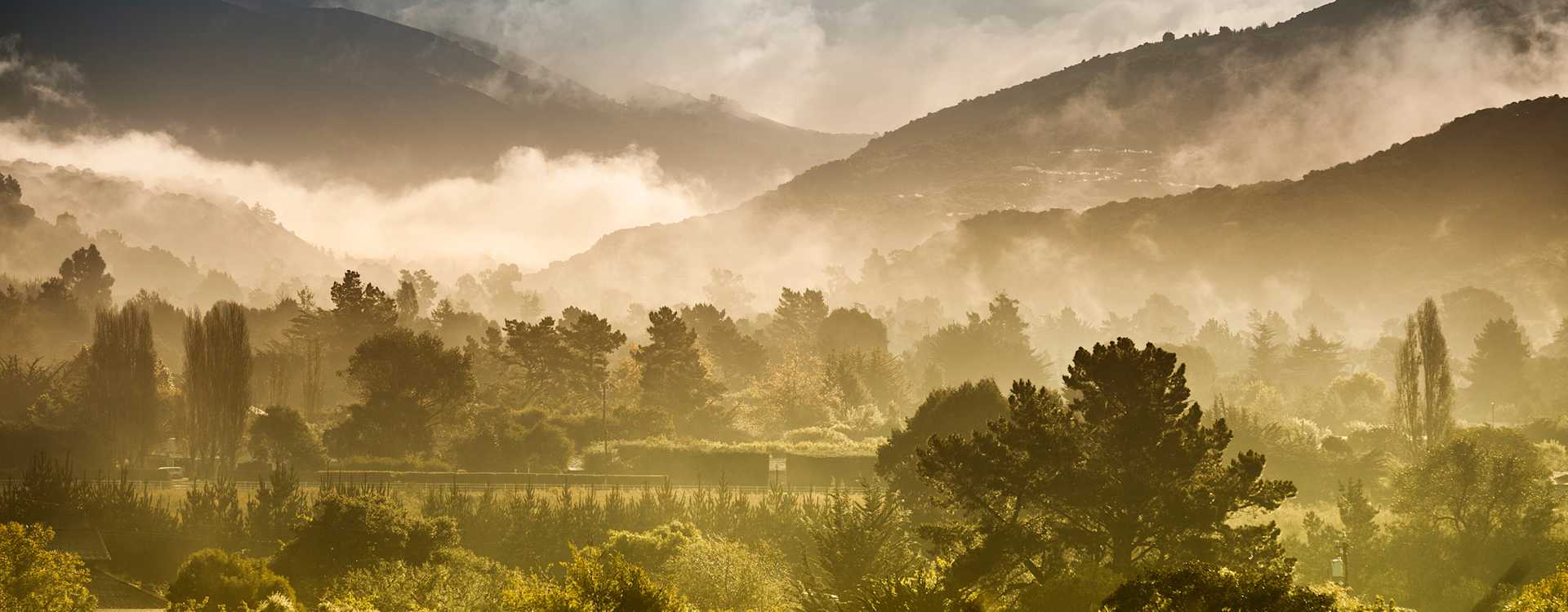
The largest and perhaps most varied of California’s wine-growing regions, the Central Coast produces a good majority of the state's wine. This vast California wine district stretches from San Francisco all the way to Santa Barbara along the coast, and reaches inland nearly all the way to the Central Valley.
Encompassing an extremely diverse array of climates, soil types and wine styles, it contains many smaller sub-AVAs, including San Francisco Bay, Monterey, the Santa Cruz Mountains, Paso Robles, Edna Valley, Santa Ynez Valley and Santa Maria Valley.
While the Central Coast California wine region could probably support almost any major grape varietiy, it is famous for a few Central Coast reds and whites. Pinot Noir, Chardonnay, Cabernet Sauvignon and Zinfandel are among the major ones. The Central Coast is home to many of the state's small, artisanal wineries crafting unique, high-quality wines, as well as larger producers also making exceptional wines.