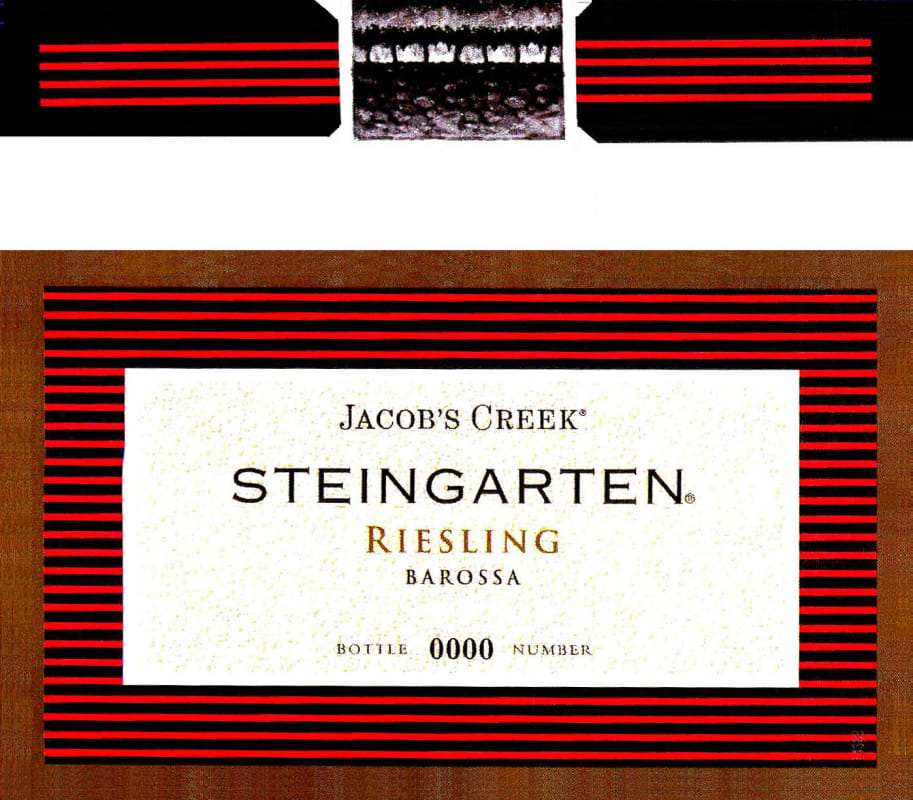

Winemaker Notes
Professional Ratings
-
Robert Parker's Wine Advocate
I'm tasting two vintages of the Steingarten Riesling here today, 10 years apart. In the glass, this 2012 is lighter in color than the verdant 2002 and offers a bouquet steeped in leafy herbs and hay, paraffin and white pepper, lanolin and canola oil. In the mouth, the acidity feels more tempered than it did in the 2002 tasted alongside, and this leads to a gentler, quieter drinking experience. I'd say it's a little oily, yet that's not quite right. It is concentrated and long, floral and texturally a little chalky. It is pretty, and it's aging very slowly. 12.5% alcohol.


Riesling possesses a remarkable ability to reflect the character of wherever it is grown while still maintaining its identity. A regal variety of incredible purity and precision, this versatile grape can be just as enjoyable dry or sweet, young or old, still or sparkling and can age longer than nearly any other white variety. Somm Secret—Given how difficult it is to discern the level of sweetness in a Riesling from the label, here are some clues to find the dry ones. First, look for the world “trocken.” (“Halbtrocken” or “feinherb” mean off-dry.) Also a higher abv usually indicates a drier Riesling.

The Barossa Zone encompasses the Barossa Valley and Eden Valley. Some of the oldest vines in Australia can be found here.
Barossa Valley of course is the most important and famous wine growing region in all of Australia where 140+ year-old, dry-farmed Shiraz vines still produce inky, purple and dense juice for some of Australia's best wines.
In the cooler, wetter Eden Valley sub-region, the Hill of Grace vineyard is home to famous Shiraz vines from the 1800s but the region produces also some of Australia’s very best and age-worthy Rieslings.