
Winemaker Notes
Chardonnay
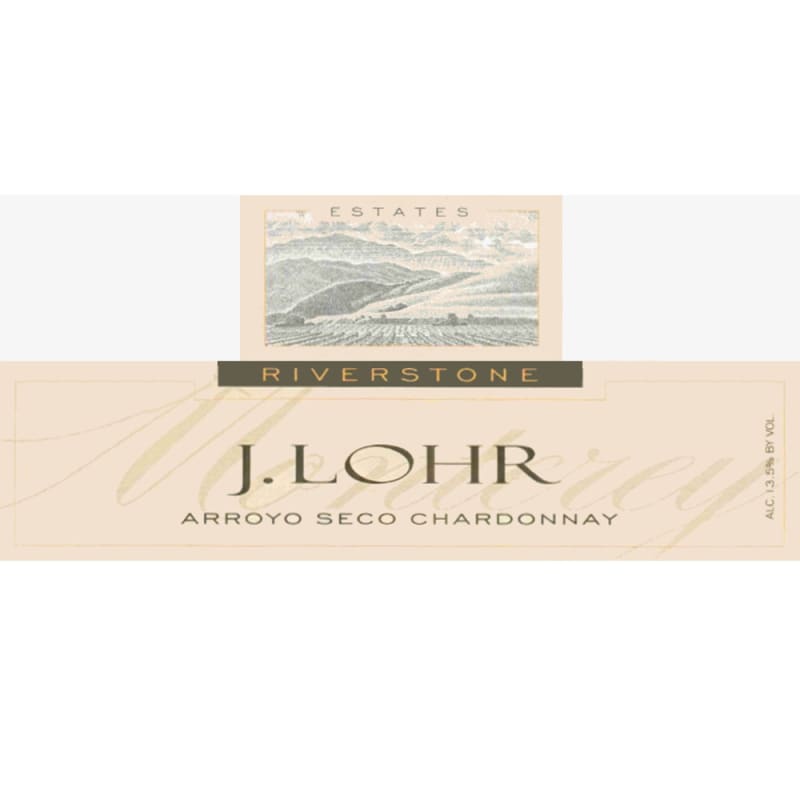
The 2005 vintage marks the nineteenth year of production of our J. Lohr Estates Riverstone Chardonnay, from our vineyards in the Arroyo Seco region of Monterey County. Each year, starting in 1995, we have experimented with and have incorporated higher percentages of traditional Burgundian production techniques into Riverstone, until the desired complexity and end-results were achieved (reaching 60% in 2000). The result is a complex and nuanced Chardonnay with an abundance of Arroyo Seco fruit, with subtle barrel fermentation and malolactic character. The vines are grown primarily on Elder loam soils underlain by "riverstones" deposited over thousands of years from the Arroyo Seco River, allowing a four-foot rooting zone that keeps the vines' vegetative growth and fruit in balance. Additionally, the cool climate and winds of the Salinas Valley extend the growing season and retain the natural grape acids and intense varietal character of the Chardonnay.



For more than fifty years and through two generations, the Lohr family and their team have been leaders in the California wine industry. Founder Jerry Lohr and his three children Steve, Cynthia, and Lawrence oversee one of the country's most successful and trusted fine wine labels. With first plantings in Monterey in 1972 and then in Paso Robles in 1986, the team helped write the book on sustainable winegrowing on the Central Coast.
Today, J. Lohr farms more than 4,000 acres of estate vineyards in Monterey's Arroyo Seco and Santa Lucia Highlands appellations, Paso Robles, and St. Helena in the Napa Valley. They produce eight tiers of award-winning releases: J. Lohr Signature Cabernet Sauvignon, J. Lohr Cuvée Series, J. Lohr Vineyard Series, J. Lohr Gesture, J. Lohr Pure Paso Proprietary Red Wine, J. Lohr Estates, J. Lohr Monterey Roots, and ARIEL Vineyards.
J. Lohr is a Certified California Sustainable Vineyard and Winery and was honored with the 2020 Green Medal Leader Award in recognition of the company's decades-long commitment to sustainability.

One of the most popular and versatile white wine grapes, Chardonnay offers a wide range of flavors and styles depending on where it is grown and how it is made. While it tends to flourish in most environments, Chardonnay from its Burgundian homeland produces some of the most remarkable and longest lived examples. California produces both oaky, buttery styles and leaner, European-inspired wines. Somm Secret—The Burgundian subregion of Chablis, while typically using older oak barrels, produces a bright style similar to the unoaked style. Anyone who doesn't like oaky Chardonnay would likely enjoy Chablis.
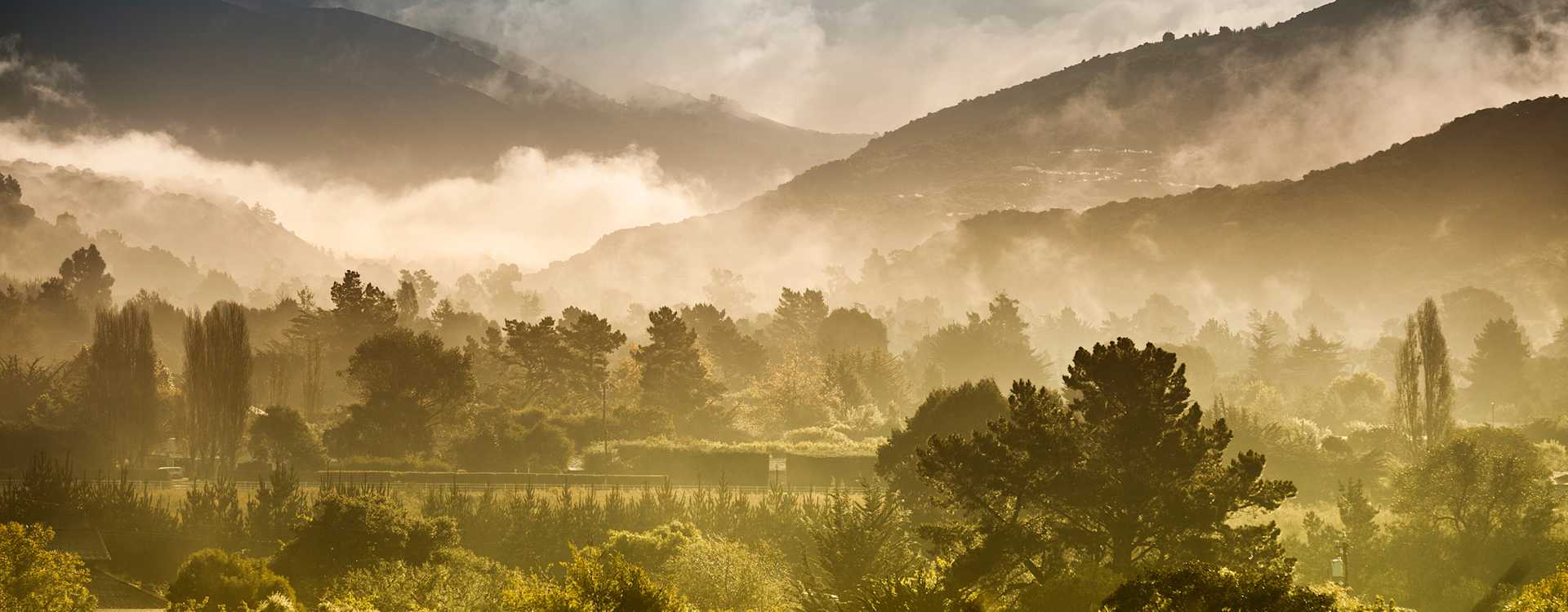
The largest and perhaps most varied of California’s wine-growing regions, the Central Coast produces a good majority of the state's wine. This vast California wine district stretches from San Francisco all the way to Santa Barbara along the coast, and reaches inland nearly all the way to the Central Valley.
Encompassing an extremely diverse array of climates, soil types and wine styles, it contains many smaller sub-AVAs, including San Francisco Bay, Monterey, the Santa Cruz Mountains, Paso Robles, Edna Valley, Santa Ynez Valley and Santa Maria Valley.
While the Central Coast California wine region could probably support almost any major grape varietiy, it is famous for a few Central Coast reds and whites. Pinot Noir, Chardonnay, Cabernet Sauvignon and Zinfandel are among the major ones. The Central Coast is home to many of the state's small, artisanal wineries crafting unique, high-quality wines, as well as larger producers also making exceptional wines.