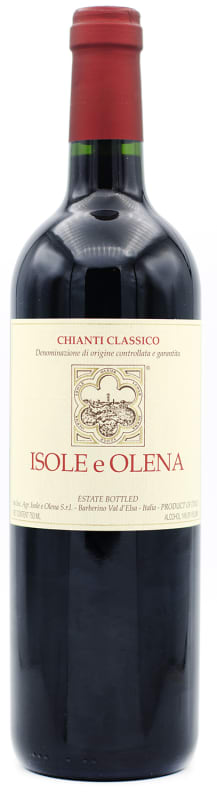


Winemaker Notes
Crafted to capture the fruity flavors and bouquet of a young Chianti. Shows great balance and drinkability with a lively acidity to pair with a wide range of foods. An outstanding Chianti Classico which reflects the terroir and traditional varieties, Sangiovese and Canaiolo.
Professional Ratings
-
Decanter
One of Chianti Classico’s most illustrious properties, Isole e Olena was established in 1956. After more than 45 years at the helm, Paolo de Marchi sold the estate last year to luxury company EPI, which also acquired Biondi Santi in 2016. This 2020 takes some time to reveal its tempting fragrance. Wafting flint, cardamom and pepper make way for early spring blossoms and red berries. It has a graceful flow along with a sumptuousness and succulence of raspberry and red plum. Fine powdery tannins frame it. A juicy follow up to the excellent 2019.
-
James Suckling
Lots of ripe fruit flavors with orange peel and stony minerality. Medium- to full-bodied with an array of round, velvety tannins. Even and broad with a lingering finish. Very attractive.
-
Wine Spectator
A complex red, with a core of cherry and strawberry fruit framed by almond, loamy earth and iron notes. Silky yet solidly built, with excellent balance and a long, fruit- and mineral-tinged aftertaste. Sangiovese and Canaiolo. Best from 2025 through 2033. 3,900 cases imported.
-
Wilfred Wong of Wine.com
The 2020 Isole e Olena Chianti Classico is beautifully built and well layered on the palate. This wine offers aromas and flavors of savory spices, blackberries, and fragrant herbs. Enjoy it with a rosemary and garlic-infused roast leg of lamb. (Tasted: December 13, 2024, San Francisco, CA)
-
Robert Parker's Wine Advocate
The Isole e Olena 2020 Chianti Classico opens to a dark ruby color and medium concentration. The bouquet offers pretty fruit aromas with dried cherry and raspberry. Those bright primary tones segue to crushed stone and potting soil. This playful, entry-level wine ends with a bright spot of sweet cherry.
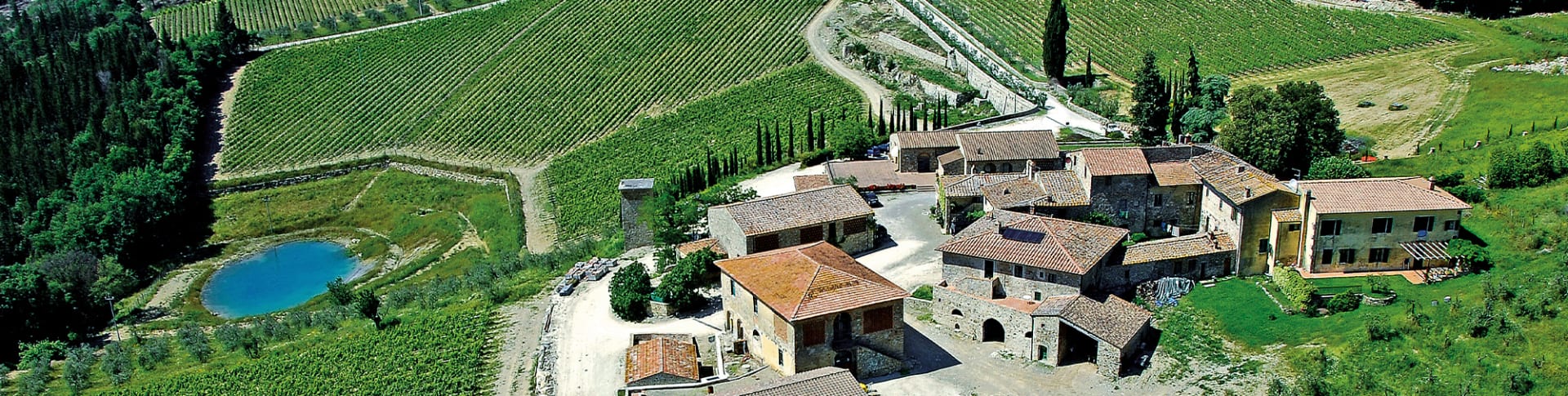



Founded in 1956 by Francesco De Marchi, this historic Chianti Classico estate is located in the western part of the denomination, near Castellina in Chianti, in the commune of Barberina Val d’Elsa. Isole e Olena’s 56 hectares (138 acres) of vineyards sit at 350-450 meters (1,148 – 1,476 feet) above sea level on soils of galestro and marly schist.
In 1975, Francesco’s son, Paolo De Marchi, ushered in a new era at Isole e Olena by taking over the estate. With his background in agricultural studies, Paolo started to revolutionize the winery beginning in the vineyards. He began experiments with the clear goal of enhancing the quality of the region, improving the performance of the local grape varieties (mainly Sangiovese) through massal selection, and mapping his galestro-driven soils. Thanks to the philosophy of Paolo De Marchi, Isole e Olena is considered among the pioneer estates who led the quality renaissance of Chianti Classico starting in the 1970s and becoming a reference for the area.
1980 saw the first bottling of Cepparello, a pure Sangiovese from old vines, aged in barrique, which in time has become an emblem of Isole e Olena. First classified as “vino da tavola” (table wine) it went on to become one of the first Supertuscan wines, showing the character and longevity of Sangiovese from this high-altitude corner of Chianti Classico. Cepparello is the result of Paolo’s extensive study of the Sangiovese grape and his belief in the potential of its expression.
Today Isole e Olena is recognized for the leading role it played in the emergence of the Chianti Classico region and respected for its authentic style of Chianti Classico – fragrant and well-balanced with purity of fruit – which is representative of its high-altitude territory. In addition to Chianti Classico and Cepparello, Isole e Olena also produces a series of single varietal wines: Chardonnay, Syrah, and Cabernet Sauvignon, as well as an acclaimed Vin Santo.

Among Italy's elite red grape varieties, Sangiovese has the perfect intersection of bright red fruit and savory earthiness and is responsible for the best red wines of Tuscany. While it is best known as the chief component of Chianti, it is also the main grape in Vino Nobile di Montepulciano and reaches the height of its power and intensity in the complex, long-lived Brunello di Montalcino. Somm Secret—Sangiovese doubles under the alias, Nielluccio, on the French island of Corsica where it produces distinctly floral and refreshing reds and rosés.

One of the first wine regions anywhere to be officially recognized and delimited, Chianti Classico is today what was originally defined simply as Chianti. Already identified by the early 18th century as a superior zone, the official name of Chianti was proclaimed upon the area surrounding the townships of Castellina, Radda and Gaiole, just north of Siena, by Cosimo III, Grand Duke of Tuscany in an official decree in 1716.
However, by the 1930s the Italian government had appended this historic zone with additonal land in order to capitalize on the Chianti name. It wasn’t until 1996 that Chianti Classico became autonomous once again when the government granted a separate DOCG (Denominazione di Origine Controllata e Garantita) to its borders. Ever since, Chianti Classico considers itself no longer a subzone of Chianti.
Many Classicos are today made of 100% Sangiovese but can include up to 20% of other approved varieties grown within the Classico borders. The best Classicos will have a bright acidity, supple tannins and be full-bodied with plenty of ripe fruit (plums, black cherry, blackberry). Also common among the best Classicos are expressive notes of cedar, dried herbs, fennel, balsamic or tobacco.