

Winemaker Notes
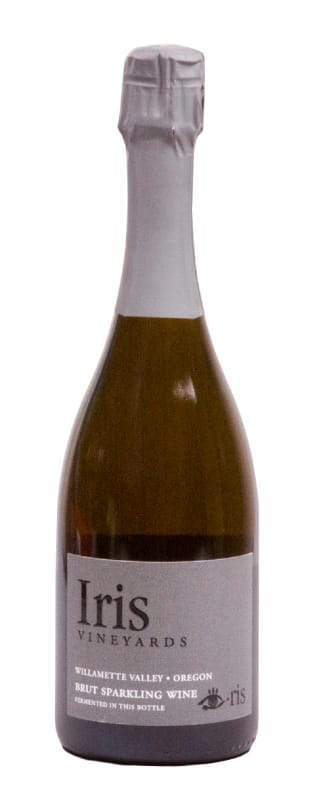
In making this wine, Iris Vineyards realizes the full potential of this old world varietal. Fermented in mature, French oak barrels this sparkling is an intricate collection of ripe citrus, creamy caramel and a warm brioche bun with hints of anise, all well complemented on the palate by bright acidity and persistent mousse.
Professional Ratings
-
Tasting Panel
Showing like a wine twice the price, this oak-fermented traditional-method blend of Pinot Gris, Pinot Noir, and Chardonnay is smooth, lithe, and coolly focused. Fresh bread. Granny Smith apple, underripe pineapple, and toasted almond grace the nose before flavors of citrus- lemon flesh and rind, white grapefruit- steadily unfurl, met by creamy nectarine on the midpalate and a touch more almond on the finish.
-
James Suckling
A vivid, playful and well-made sparkling wine with apples, spiced pears and wild herbs on the nose. Medium-bodied with a fine bead and a lively finish.
-
Wine Enthusiast
The aromas are nuanced, with notes of baked bread, lees, stone fruit and citrus zest. Fresh, clean flavors follow. It persists on the finish. Tasty stuff. Editors’ Choice.
-
Wilfred Wong of Wine.com
COMMENTARY: The Iris Vineyards Brut is well-balanced and quite pleasing. TASTING NOTES: This wine offers aromas and flavors of ripe citrus that last long into the wine's finish. Pair it with lightly-flavored appetizers. (Tasted: March 31, 2022, San Francisco, CA)


A term typically reserved for Champagne and Sparkling Wines, non-vintage or simply “NV” on a label indicates a blend of finished wines from different vintages (years of harvest). To make non-vintage Champagne, typically the current year’s harvest (in other words, the current vintage) forms the base of the blend. Finished wines from previous years, called “vins de reserve” are blended in at approximately 10-50% of the total volume in order to achieve the flavor, complexity, body and acidity for the desired house style. A tiny proportion of Champagnes are made from a single vintage.
There are also some very large production still wines that may not claim one particular vintage. This would be at the discretion of the winemaker’s goals for character of the final wine.

One of Pinot Noir's most successful New World outposts, the Willamette Valley is the largest and most important AVA in Oregon. With a continental climate moderated by the influence of the Pacific Ocean, it is perfect for cool-climate viticulture and the production of elegant wines.
Mountain ranges bordering three sides of the valley, particularly the Chehalem Mountains, provide the option for higher-elevation vineyard sites.
The valley's three prominent soil types (volcanic, sedimentary and silty, loess) make it unique and create significant differences in wine styles among its vineyards and sub-AVAs. The iron-rich, basalt-based, Jory volcanic soils found commonly in the Dundee Hills are rich in clay and hold water well; the chalky, sedimentary soils of Ribbon Ridge, Yamhill-Carlton and McMinnville encourage complex root systems as vines struggle to search for water and minerals. In the most southern stretch of the Willamette, the Eola-Amity Hills sub-AVA soils are mixed, shallow and well-drained. The Hills' close proximity to the Van Duzer Corridor (which became its own appellation as of 2019) also creates grapes with great concentration and firm acidity, leading to wines that perfectly express both power and grace.
Though Pinot noir enjoys the limelight here, Pinot Gris, Pinot Blanc and Chardonnay also thrive in the Willamette. Increasing curiosity has risen recently in the potential of others like Grüner Veltliner, Chenin Blanc and Gamay.