


Winemaker Notes
This Howell Mountain Cabernet Sauvignon is structured and complex while remaining elegant and pure. It's a wine with freshness and elegance that does not come at the expense of structure and complexity. They aim to change the narrative surrounding Napa Valley Cabernet Sauvignon. It happens that they have chosen the most “massive” of all AVA’s to do so. The 2017 Cabernet Sauvignon is expansive with intriguing depth. A defined aromatic core, seamless on the palate with finely polished tannins. The lingering finish is expressive, possessing tension while remaining fresh and light.
Professional Ratings
-
Robert Parker's Wine Advocate
The team at Ink Grade favors east and north-facing blocks for their own label, including the 2017 Cabernet Sauvignon. Aged in a variety of different-sized oak vessels, the nose features scents of vanilla, cedar and cassis, with a gentle minty overtone. Full-bodied and firm but not lacking flesh or richness, this wine is dense and concentrated but lively and taut, with a long, dusty finish framed by fine-grained tannins.
-
Wine Spectator
Lots of harnessed power in this version. A deep well of cassis, plum and boysenberry fruit flavors are in reserve, but for now encased by tannins and racy red tea and savory details. Sleek, with a deeply buried iron note. Everything should meld and stretch out nicely with some cellaring. Best from 2023 through 2035.
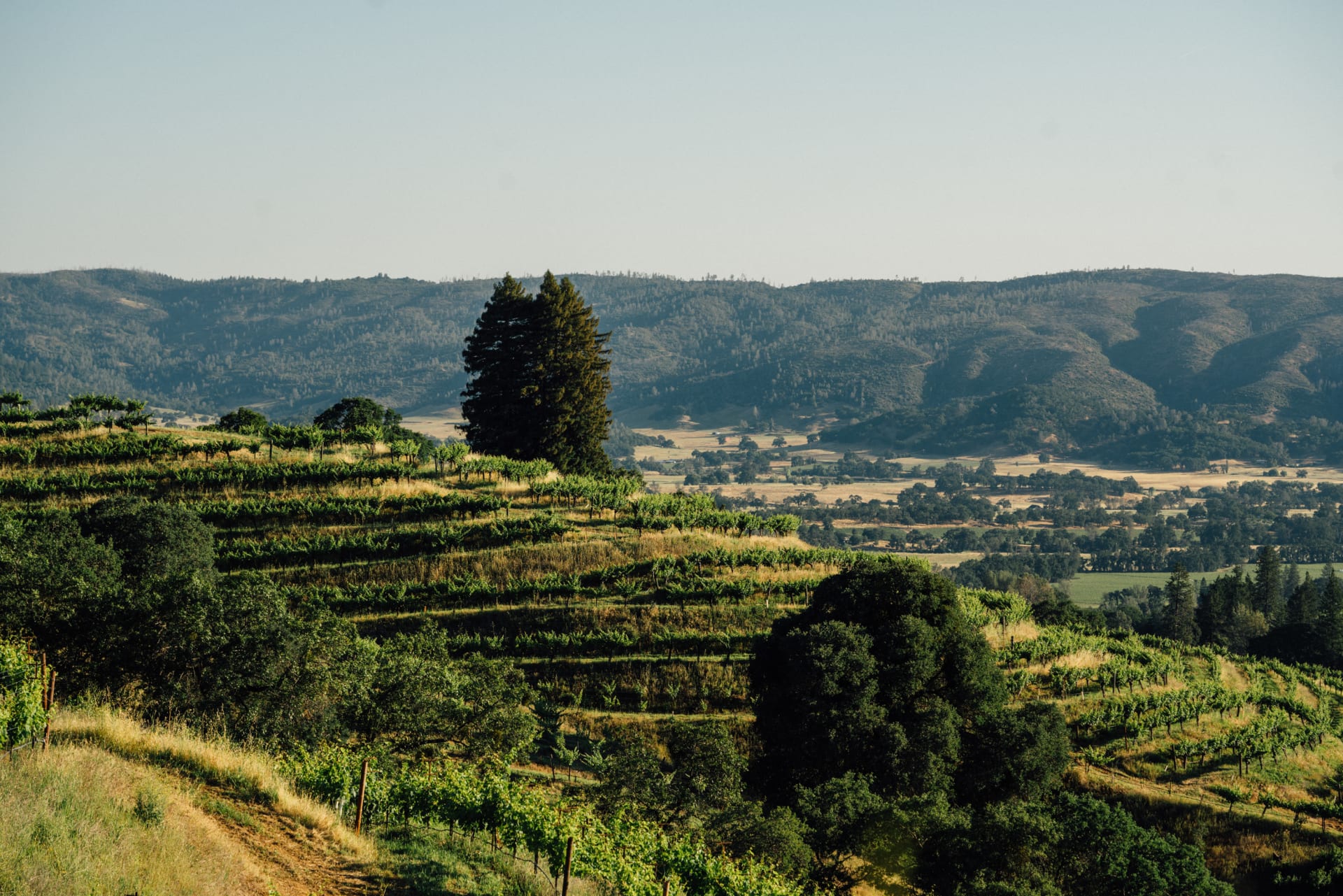




Ink Grade, Howell Mountain’s first monopole estate, produces the appellation’s greatest classical wines. The estate vineyard was first planted with vines in the 1870s by visionary pioneer, Theron Ink. Farmed organically and biodynamically since its inception and spanning eight hundred wild acres, our Estate is dotted with vine plantings that nurture and respect the natural habitat. Among the steeply terraced vineyards that cling to the iron-rich volcanic soils, there is a wild purity and raw tension here that awakens the senses. Winemaker Matt Taylor, formerly of Araujo Estate and Domaine Dujac, captures this untamed nature and preserves it by producing elegant, single-estate wines that express the pristine mountain fruit and legacy of the land. To do so requires patience and presence, taking the time to listen to what a place has to say and what it will give. This is an art. This is Ink Grade.

A noble variety bestowed with both power and concentration, Cabernet Sauvignon enjoys success all over the globe, its best examples showing potential to age beautifully for decades. Cabernet Sauvignon flourishes in Bordeaux's Medoc where it is often blended with Merlot and smaller amounts of some combination of Cabernet Franc, Malbecand Petit Verdot. In the Napa Valley, ‘Cab’ is responsible for some of the world’s most prestigious, age-worthy and sought-after “cult” wines. Somm Secret—DNA profiling in 1997 revealed that Cabernet Sauvignon was born from a spontaneous crossing of Cabernet Franc and Sauvignon Blanc in 17th century southwest France.

Today Cabernet Sauvignon is the star of this part of Napa’s rugged, eastern hills, but Zinfandel was responsible for giving the Howell Mountain growing area its original fame in the late 1800s.
Winemaking in Howell Mountain was abandoned during Prohibition, and wasn’t reawakened until the arrival of Randy Dunn, a talented winemaker famous for the success of Caymus in the 1970s and 1980s. In the early eighties, he set his sights on the Napa hills and subsequently astonished the wine world with a Howell Mountain Cabernet Sauvignon. Shortly thereafter Howell Mountain became officially recognized as the first sub-region of Napa Valley (1983).
With vineyards at 1,400 to 2,000 feet in elevation, they predominantly sit above the fog line but the days in Howell Mountain remain cooler than those in the heart of the valley, giving the grapes a bit more time on the vine.
The Howell Mountain AVA includes 1,000 acres of vineyards interspersed by forestlands in the Vaca Mountains. The soils, shallow and infertile with good drainage, are volcanic ash and red clay and produce highly concentrated berries with thick skins. The resulting wines are full of structure and potential to age.
Today Cabernet Sauvignon, Merlot and Petite Sirah thrive in this sub-appellation, as well as its founding variety, Zinfandel.