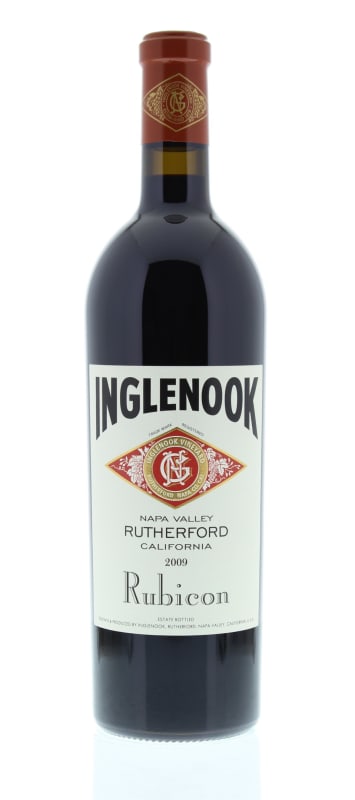


Winemaker Notes
Intense aromas of dark berries with hints of violets and fine roasted oak fill the nose. The sturdy framework and intensely expressive red and black fruits give great power and length to the finish. Two hours of decanting is recommended before drinking; 2009 is a perfect vintage for collectors.
Blend: 96% Cabernet Sauvignon, 3% Cabernet Franc, 1% Merlot
Professional Ratings
-
Wine Spectator
A classy effort that is rich and layered, restrained and structured, showing fine tension between the dried currant, cedar, cigar box and anise flavors and the firm, fine-grained tannins. Cabernet Sauvignon, Cabernet Franc and Merlot. Drink now through 2023.
-
Robert Parker's Wine Advocate
The deep garnet colored 2009 Rubicon contains 3% Cabernet Franc and 1% Merlot. It has a fairly mature nose of leather, cigar box and baking spices over a core of prunes, dried mulberries and raisin cake with touches of sautéed herbs and incense. Medium to full-bodied, the palate has evolved, savory and earth-inspired flavors with a chewy texture and stewed tea-laced finish.


One of the world’s most classic and popular styles of red wine, Bordeaux-inspired blends have spread from their homeland in France to nearly every corner of the New World. Typically based on either Cabernet Sauvignon or Merlot and supported by Cabernet Franc, Malbec and Petit Verdot, the best of these are densely hued, fragrant, full of fruit and boast a structure that begs for cellar time. Somm Secret—Blends from Bordeaux are generally earthier compared to those from the New World, which tend to be fruit-dominant.

The Rutherford sub-region of Napa Valley centers on the town of Rutherford and covers some of Napa Valley’s finest vineyard real estate, spanning from the Mayacamas in the west, to the Vaca Mountains on the other side of the valley.
Inside of the Rutherford AVA, bordering the Mayacamas, is a stretch of uplands called the Rutherford Bench. (These bench lands technically run the length of Oakville as well). Mountain runoff creates deep, well-drained, alluvial soils on the bench, giving vine roots plenty of reason to permeate deep into the ground. The result is wine with great structure and complexity.
Rutherford Cabernet Sauvingons and Bordeaux Blends garner substantial attention for their enticing fragrances of dusty earth and dried herbs, broad and juicy mid-palates and lush and fine-grained tannins. The sub-appellation claims some of the valley’s most prized vineyards today, namely Caymus, Rubicon and Beckstoffer Georges III.
It is also home to Napa’s most influential and historic personalities. Thomas Rutherford, responsible for the appellation's name, made serious investments here in grape growing and wine production between the years of 1850 to 1880. Gustave Niebaum purchased a large swath of land and completed his winery in 1887, calling it “Inglenook.” Today this remains the oldest bonded winery in California. Georges Latour founded Beaulieu Vineyard in 1900, making it the oldest continuous winery in the state. Latour also hired the famous enologist, André Tchelistcheff, a man credited for single-handedly defining the modern Napa winemaking style.