


Winemaker Notes
The grape, very ripe, generates a very intense and persistent flavor. Deep nose of black berries, cocoa, pepper and other spices. Authoritative in the mouth, it shows superb balance with ripe tannins and a round, generous finish of rare length.
Professional Ratings
-
James Suckling
Pleasant mix of savory, dried-herb and plummy notes on the nose, following though to a medium palate with intense fresh-plum, plum-skin and mediterranean-herb flavors. Well-structured framework of fine, firm tannins that will sink into the wine a little more with another year or two in bottle. Shows promise but needs time. Try from 2024.
-
Robert Parker's Wine Advocate
The Inama 2017 Colli Berici Carmenere Riserva Oratorio di San Lorenzo was born in a site with red clay soils at a moderate 50 to 150 meters in elevation. These warm conditions ripen the fruit, giving off generous layers of plummy black flavors, blackberry and blackcurrant. The wine is immediately soft and generous in texture, wrapping thickly over the palate, with smooth tannins. You can expect this 2017 vintage to be on the more full-bodied side of the spectrum.
-
Vinous
The 2017 Oratorio di San Lorenzo Riserva is lifted and smoky, as woodland berries give way to violets and exotic spice. This is round yet vibrant in feel with ripe red and hints of blue fruits, while keeping the energy high. The long and staining finale leaves a buzzing of residual acids that make the mouth water, as sweet tannins, black raspberry and inner florals linger long. Wow, but be aware: this is a powerful and brooding expression of Carmenere.
-
Wine Enthusiast
Smoky notes rise quickly out of the glass as grilled plums, roasted blackberries, violet pastilles and sweet spices quickly take command of the nose. Opulent at first with black cherry conserva spiked with star anise, cocoa powder, espresso and graphite all being sharpened at the finish by elegant tannins and vibrant acidity


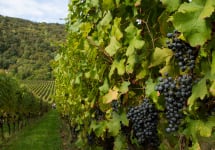
Now in its third generation of leadership, the Inama family has been producing wine for over forty years in the Veneto. The family has a well-defined goal to produce different wines whose only aim is to represent their vision of the land, despite the styles and trends of the moment. In the 1950s, prior to founding the Inama estate, Giuseppe Inama began using his savings to purchase small plots of vineyards in the center of the Soave Classico region. At the time few understood the area's potential, but Giuseppe believed that he could make a wine capable of restoring Soave's reputation by working with only top-quality vineyards of old-vine Garganega (Soave’s original grape).
At Inama, white grapes are picked fully ripe, and after a short maceration and gentle pressing the must is left to settle before a temperature-controlled fermentation and spontaneous malolactic fermentation. In order to preserve both the aromatic intensity and natural balance of the grapes, the wines are bottled with minimum fining and filtration.
In addition to working with Garganega, Chardonnay and Sauvignon Blanc, Inama also grows traditional Bordeaux varietals in the historic, hidden zone of Colli Berici – Italy’s oldest DOC for Cabernet and Merlot grapes. Their Carmenère vineyards here date back to the 1800s. This historic, though little known zone south of Vicenza has a temperate climate and is marked by unique ancient geological seismic events calle “bradyseism”—volcanic ridges generating a soil extremely rich in trace elements and minerals. Inama feels this terroir is the most underrated and under-realized in Italy and his goal is to produce great wines from these hillsides.
Inama believes in everyday living and minimalism, respecting the winemaking practices that have laid the foundations of modern wine.
Producing wine for more than half century has led them to develop three fundamental values that inspire their projects: a great terroir dominates the varietal aspects of the grape. A wine’s caliber depends upon the quality of the ecosystem, with the soil paramount. Inama is always working to refine technique, developing internal research and collaborating with some of the most renowned international experts.

Dark, full-bodied and herbaceous with a spicy kick, Carménère found great success with its move to Chile in the mid-19th century. However, the variety went a bit undercover until 1994 when many plantings previously thought to be Merlot, were profiled as Carménère. Somm Secret— Carménère is both a progeny and a great-grandchild of the similarly flavored Cabernet Franc.
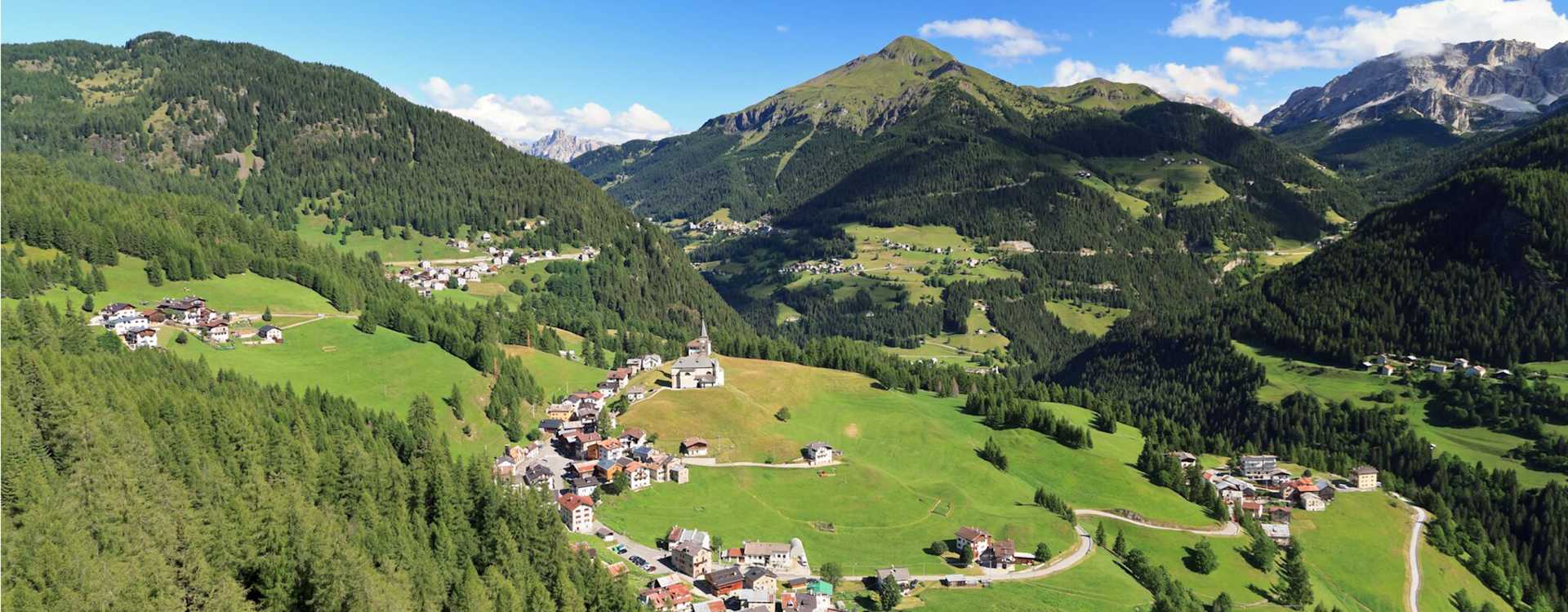
Producing every style of wine and with great success, the Veneto is one of the most multi-faceted wine regions of Italy.
Veneto's appellation called Valpolicella (meaning “valley of cellars” in Italian) is a series of north to south valleys and is the source of the region’s best red wine with the same name. Valpolicella—the wine—is juicy, spicy, tart and packed full of red cherry flavors. Corvina makes up the backbone of the blend with Rondinella, Molinara, Croatina and others playing supporting roles. Amarone, a dry red, and Recioto, a sweet wine, follow the same blending patterns but are made from grapes left to dry for a few months before pressing. The drying process results in intense, full-bodied, heady and often, quite cerebral wines.
Soave, based on the indigenous Garganega grape, is the famous white here—made ultra popular in the 1970s at a time when quantity was more important than quality. Today one can find great values on whites from Soave, making it a perfect choice as an everyday sipper! But the more recent local, increased focus on low yields and high quality winemaking in the original Soave zone, now called Soave Classico, gives the real gems of the area. A fine Soave Classico will exhibit a round palate full of flavors such as ripe pear, yellow peach, melon or orange zest and have smoky and floral aromas and a sapid, fresh, mineral-driven finish.
Much of Italy’s Pinot grigio hails from the Veneto, where the crisp and refreshing style is easy to maintain; the ultra-popular sparkling wine, Prosecco, comes from here as well.