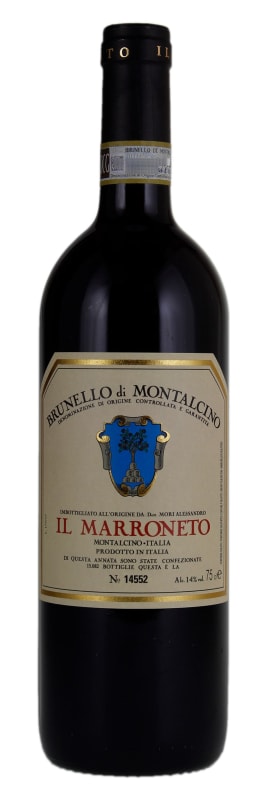


Winemaker Notes
The northern zone of Montalcino is characterized by higher elevations, steep slopes, and cooler temperatures. These conditions are ideal for creating Brunellos of significant ageing potential, showing complexity, increased aromatics, classic tannic structure and nervy acidity. The precision of Sangiovese is transparently conveyed when using the most natural and minimal of winemaking techniques.
Professional Ratings
-
Wine Enthusiast
Fragrant and loaded with finesse, this perfumed red features enticing scents of woodland berry, pine forest, violet, underbrush and a whiff of sandalwood. Elegantly structured, it’s tantalizingly ethereal, delivering juicy red cherry, strawberry, black tea, licorice and a pronounced mineral note evoking rusty iron alongside tightly knit, refined tannins. It’s surprisingly vibrant for the hot vintage and still youthfully austere, but that’s a good thing as it shows great aging potential. Drink 2025–2035.
-
Robert Parker's Wine Advocate
You just can't beat the purity of the bouquet here: cherries, red licorice, blue flowers and currants. It's all stunning. Il Marroneto's 2015 Brunello di Montalcino opens to a light garnet color with faint ruby highlights. The wine never veers from its lanes, sticking to an absolutely traditional and fresh expression from the appellation. It offers a lean to medium-weight mouthfeel with radiant fruit flavors—think pure cherry fruit. Fruit is harvested from a five-hectare parcel at 300 meters above sea level with calcareous sand and Galestro soils. These conditions lead to the aromatic intensity of the wine, and that's the main takeaway in this classic vintage. There is a moment of softness that expands quickly over the palate. These results are graceful and gorgeous. Some 23,569 bottles were made. This wine was bottled in June 2019, and it hit the market in January 2020. 96+
-
Wine Spectator
There is an inherent sweetness to this red, courtesy of the ripe strawberry and cherry fruit, complemented by mineral, tobacco and wild herb notes, balanced by a backbone of dense, refined tannins. Shows fine balance and length. Best from 2023 through 2040.
-
Decanter
Il Marroneto sits just north of the town of Montalcino. Owner Alessandro Mori explains that the soil here is predominantly marine sand with micro-minerals from the coast, giving a floral rather than fruity expression. He uses botti (large oak casks) only for ageing, with some dating back to the 1970s - though it must be said that the cellar here is fanatically clean. The 2015 rings through with purity and clarity and is indeed decidedly mineral and floral-driven. Sweet earth, dried violets and lavender complement an underlying core of cherry and raspberry. The palate is tangy and saline with lots of substance, flavor and depth. Wonderfully textured with grainy tannins that escalate across the palate. Drinking Window 2020 - 2032
-
Wine & Spirits
This is taut and lively, its crunchy red-berry flavors reflecting the freshness of the estate’s position high on Montalcino’s northern slope. Concentrated yet light on its feet, with peppery spice notes, it’s an exciting sangiovese from a warm vintage.


Among Italy's elite red grape varieties, Sangiovese has the perfect intersection of bright red fruit and savory earthiness and is responsible for the best red wines of Tuscany. While it is best known as the chief component of Chianti, it is also the main grape in Vino Nobile di Montepulciano and reaches the height of its power and intensity in the complex, long-lived Brunello di Montalcino. Somm Secret—Sangiovese doubles under the alias, Nielluccio, on the French island of Corsica where it produces distinctly floral and refreshing reds and rosés.

Famous for its bold, layered and long-lived red, Brunello di Montalcino, the town of Montalcino is about 70 miles south of Florence, and has a warmer and drier climate than that of its neighbor, Chianti. The Sangiovese grape is king here, as it is in Chianti, but Montalcino has its own clone called Brunello.
The Brunello vineyards of Montalcino blanket the rolling hills surrounding the village and fan out at various elevations, creating the potential for Brunello wines expressing different styles. From the valleys, where deeper deposits of clay are found, come wines typically bolder, more concentrated and rich in opulent black fruit. The hillside vineyards produce wines more concentrated in red fruits and floral aromas; these sites reach up to over 1,600 feet and have shallow soils of rocks and shale.
Brunello di Montalcino by law must be aged a minimum of four years, including two years in barrel before realease and once released, typically needs more time in bottle for its drinking potential to be fully reached. The good news is that Montalcino makes a “baby brother” version. The wines called Rosso di Montalcino are often made from younger vines, aged for about a year before release, offer extraordinary values and are ready to drink young.