


Winemaker Notes
For 2019, the blend compromises of roughly 56% Arneis, 42% Muscat Canelli (a.k.a Muscat Blanc, Moscato Bianco), and 2% Cortese. All three varietals predominantely come from the steep hillsides of Lost Hills Ranch in Mendocino’s Yorkville Highlands AVA, where the vines work hard to dig into the fractured sandstone and schist based soils. The explosive aromatics of Muscat Canelli fill the cellar, but upon tasting the juice, the balance of the early take of Arneis shows the structural bones. The wine is highlighted by honey, wildflowers, wet stones, salty air, jasmine, and orange blos-soms. The mouth feel is shaped like a diamond: lean on the front, a touch of oiliness and rich-ness through the mid, and then racy and driving through the finish

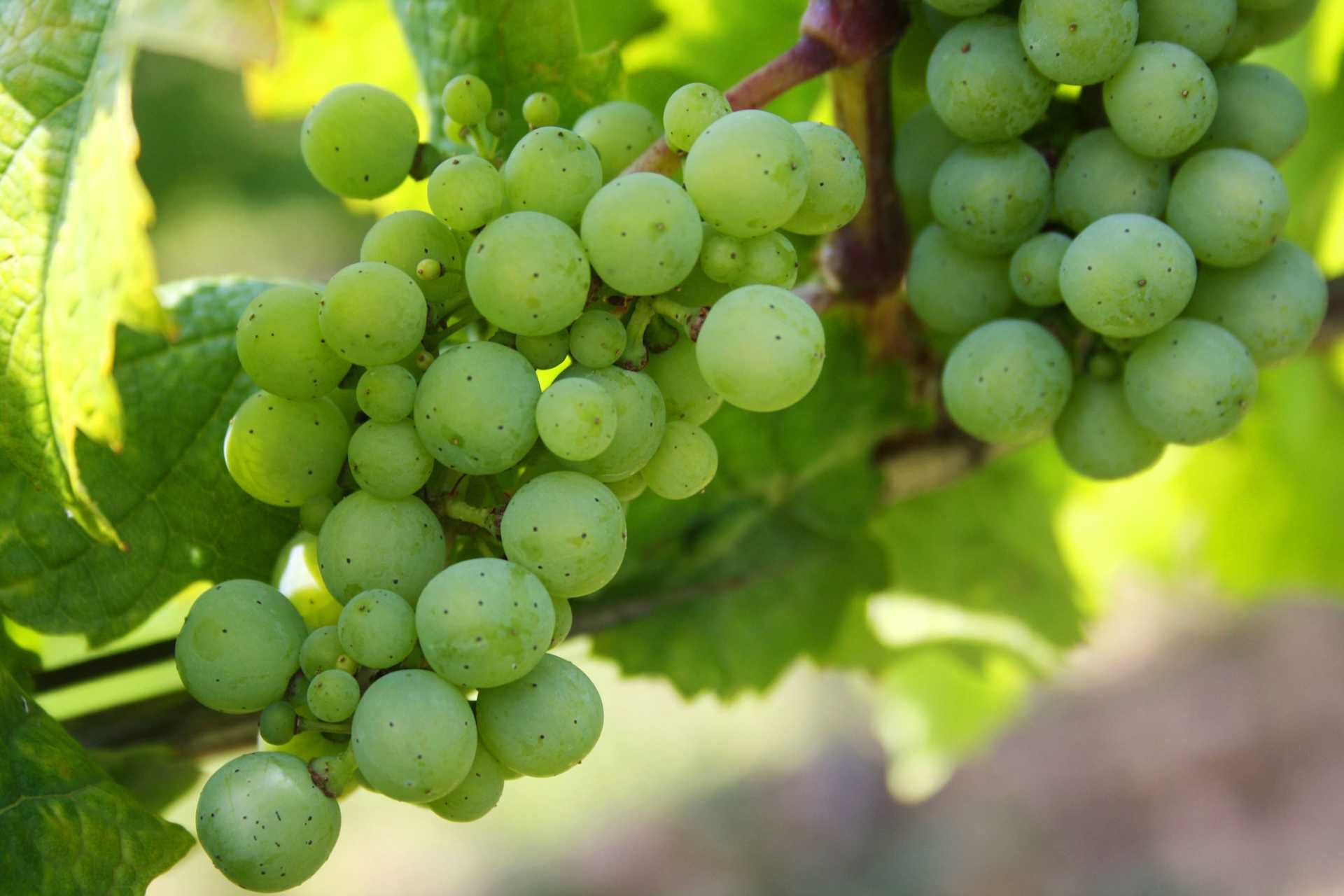
With hundreds of white grape varieties to choose from, winemakers have the freedom to create a virtually endless assortment of blended white wines. In many European regions, strict laws are in place determining the set of varieties that may be used in white wine blends, but in the New World, experimentation is permitted and encouraged. Blending can be utilized to enhance balance or create complexity, lending different layers of flavors and aromas. For example, a variety that creates a soft and full-bodied white wine blend, like Chardonnay, would do well combined with one that is more fragrant and naturally high in acidity. Sometimes small amounts of a particular variety are added to boost color or aromatics. Blending can take place before or after fermentation, with the latter, more popular option giving more control to the winemaker over the final qualities of the wine.

A unique appellation placed in between the warm, Sonoma County Alexander Valley and the cooler Mendocino County's Anderson Valley, the Yorkville Highlands’ gravel soils are ideal for Bordeaux varieties and other full-bodied reds.