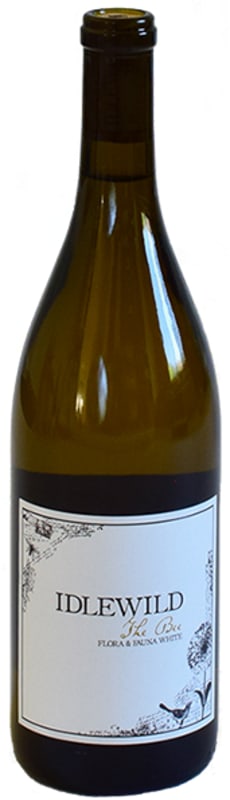


Winemaker Notes
Professional Ratings
-
Wine Enthusiast
The Bee is made of 50% of Muscat Canelli, which is blended with 47% Arneis and 3% Cortese. It refreshes and intrigues, offering pure pleasure and a challenge to the palate in its tension of acidity and stony earth. It indeed evokes honeycomb and wildflowers, with a salty brininess that keeps it in the brain long after it's gone.
-
Wilfred Wong of Wine.com
COMMENTARY: White blends, because of their unrestricted and free flow use of grapes, can be fun. The 2017 Idlewild Bee Flora & Fauna is enjoyable. TASTING NOTES: This wine is aromatic and delightful. Its aromas and flavors of frisky tart fruit and fragrant flowers should pair it delightfully with a roast chicken salad over a bed of curly leaf lettuce and an accent of hot chili oil. (Tasted: September 25, 2018, San Francisco, CA)

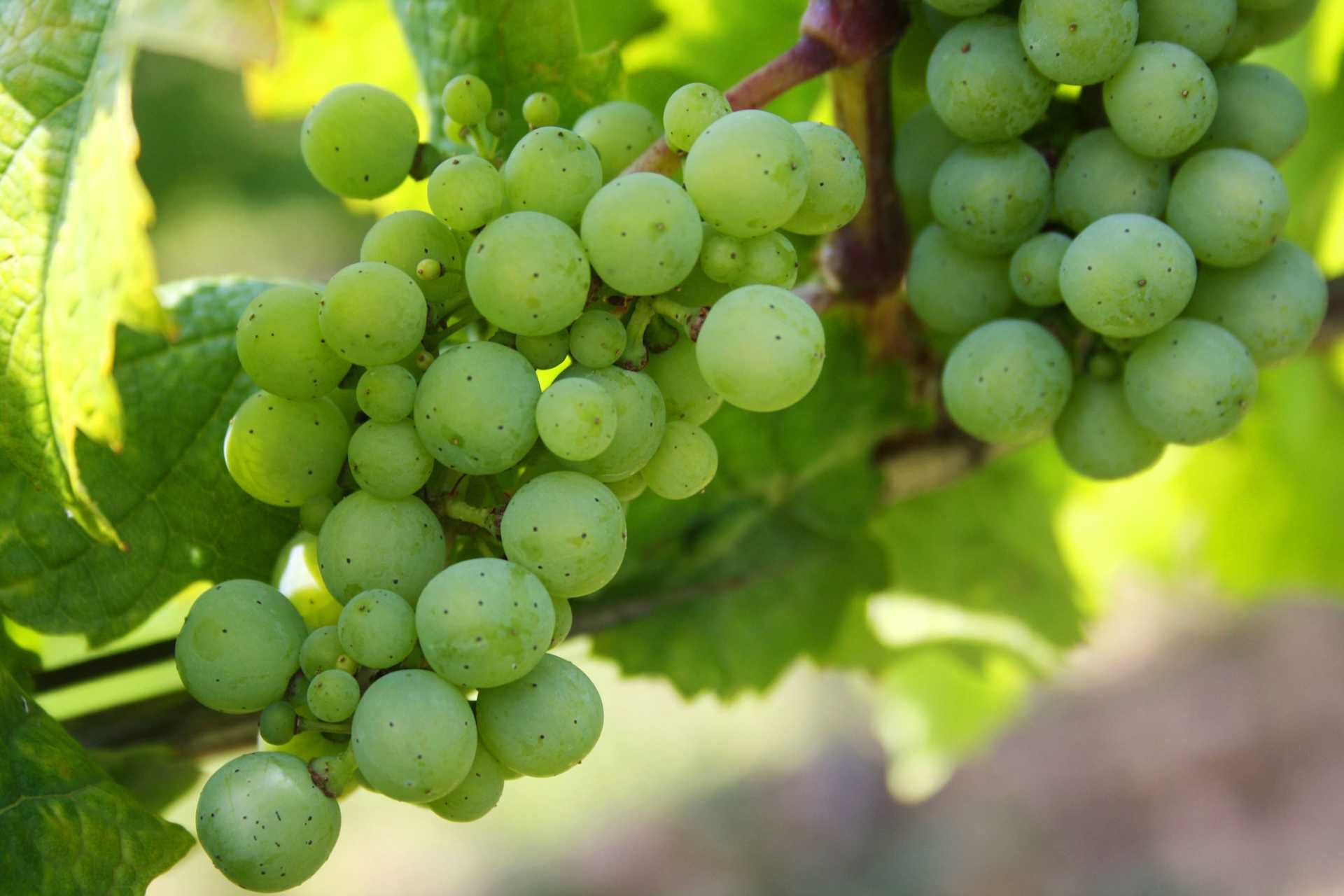
With hundreds of white grape varieties to choose from, winemakers have the freedom to create a virtually endless assortment of blended white wines. In many European regions, strict laws are in place determining the set of varieties that may be used in white wine blends, but in the New World, experimentation is permitted and encouraged. Blending can be utilized to enhance balance or create complexity, lending different layers of flavors and aromas. For example, a variety that creates a soft and full-bodied white wine blend, like Chardonnay, would do well combined with one that is more fragrant and naturally high in acidity. Sometimes small amounts of a particular variety are added to boost color or aromatics. Blending can take place before or after fermentation, with the latter, more popular option giving more control to the winemaker over the final qualities of the wine.

Reaching up California's coastline and into its valleys north of San Francisco, the North Coast AVA includes six counties: Marin, Solano, Napa, Sonoma, Mendocino and Lake. While Napa and Sonoma enjoy most of the glory, the rest produce no shortage of quality wines in an intriguing and diverse range of styles.
Climbing up the state's rugged coastline, the chilly Marin County, just above the City and most of Sonoma County, as well as Mendocino County on the far north end of the North Coast successfully grow cool-climate varieties like Pinot Noir, Chardonnay and in some spots, Riesling. Inland Lake County, on the other hand, is considerably warmer, and Cabernet Sauvignon, Zinfandel and Sauvignon Blanc produce some impressive wines with affordable price tags.