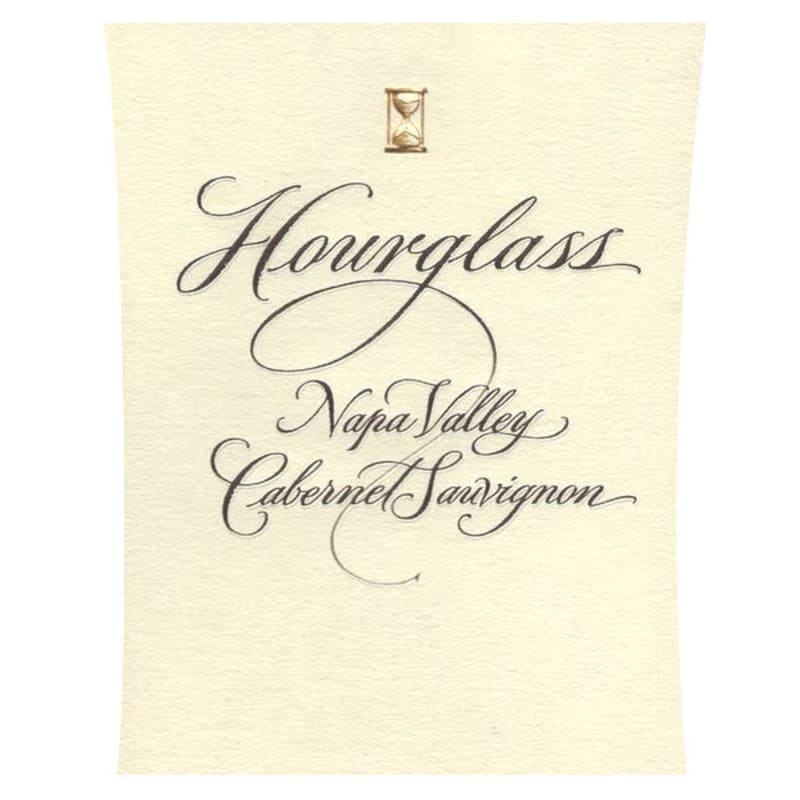

Winemaker Notes
Professional Ratings
-
Wine Enthusiast
A gloriously concentrated wine, filled with black cherry, plum, blackberry, chocolate, licorice, raisin and herb flavors. Plush, velvety, complex, elegant and voluptuous all the way to its long, long finish. Unfortunately, only 48 cases were made. The good news is that we’ll see as much as 800 cases for the 2000 vintage. Cellar Selection
-
Robert Parker's Wine Advocate
Contrary to vintage expectations, the 1998 Cabernet Sauvignon is even better than the 1997. Notes of blackberries, cassis, flowers, and subtle French oak jump from the glass of this opaque purple-colored wine. The wine possesses more length, richness, and completeness than the 1997 (as hard as that is to believe). It is deep, full-bodied, and sumptuous. Low acidity, ripe tannin, and a wealth of fruit suggest drinking it over the next 15 years. Incredible! This is an impressive effort from Hourglass, a new vineyard situated next to Vineyard 29 on Route 29, Napa's route du vin.


One of the most prestigious wines of the world capable of great power and grace, Napa Valley Cabernet is a leading force in the world of fine, famous, collectible red wine. Today the Napa Valley and Cabernet Sauvignon are so intrinsically linked that it is difficult to discuss one without the other. But it wasn’t until the 1970s that this marriage came to light; sudden international recognition rained upon Napa with the victory of the Stag’s Leap Wine Cellars 1973 Cabernet Sauvignon in the 1976 Judgement of Paris.
Cabernet Sauvignon undoubtedly dominates Napa Valley today, covering half of the land under vine, commanding the highest prices per ton and earning the most critical acclaim. Cabernet Sauvignon’s structure, acidity, capacity to thrive in multiple environs and ability to express nuances of vintage make it perfect for Napa Valley where incredible soil and geographical diversity are found and the climate is perfect for grape growing. Within the Napa Valley lie many smaller sub-AVAs that express specific characteristics based on situation, slope and soil—as a perfect example, Rutherford’s famous dust or Stags Leap District's tart cherry flavors.