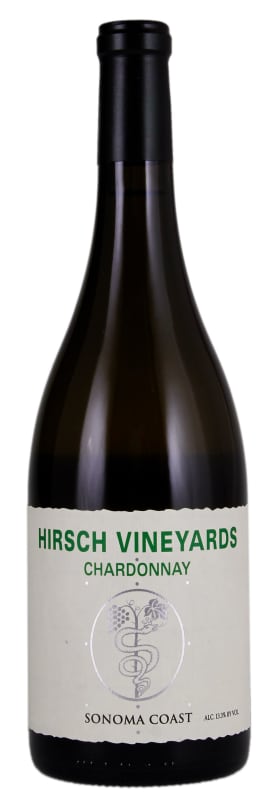


Winemaker Notes
2018 was one of the coolest growing seasons in the last decade. A foggy mid-summer gave way at the perfect time to sunny, breezy weather with remarkably cool temperatures. These ideal conditions gifted us with a long maturation period, resulting in wines of elegance, freshness and fruit concentration. The 2018 Chardonnay has a fresh, laser-like acidity, backed by the depth and texture that define this wine.
Professional Ratings
-
James Suckling
A wonderfully crafted chardonnay with lemon rind, cooked apple, lemon and lemon curd. Mineral and stone character throughout. It’s full-bodied, yet vertical and deep on the palate. Takes you down deep and energizes you. Extremely well done. Drink or hold.
-
Wine & Spirits
This is among the best Hirsch chardonnays we’ve tasted, a wine with an ornate, almost baroque complexity woven out of fruit grown on the sandstone ridge along the San Andreas fault. It offers a completely different kind of complexity and depth of flavor than a great Burgundy—California coastal casual, yet precise. If you were to travel to David Hirsch’s remote vineyard and feel the blast of the Pacific winds against the ridge as you stand alongside the vines he planted in 1994 on a steep, rocky slope facing directly toward the sea, you might begin to sense the pure, terroir-driven nature of this wine. Along with fruit from those 2.5 acres, this wine includes Hirsch’s younger block of chardonnay, also west-facing, 1.4 acres planted in 2002 on a nearby sandstone hillside. The cool 2018 season produced a chardonnay that defies oxidation, still beautiful a week after it was first opened, destined to thrive for decades.
-
Robert Parker's Wine Advocate
The 2018 Chardonnay Estate, from vines planted in 1994, opens with toasted nuts, gunflint, candle smoke and fresh Red Delicious apples with wafts of dried herbs and green tea. The palate is light to medium-bodied with a silky texture and gently nutty character, finishing long, fresh and mineral driven.


One of the most popular and versatile white wine grapes, Chardonnay offers a wide range of flavors and styles depending on where it is grown and how it is made. While it tends to flourish in most environments, Chardonnay from its Burgundian homeland produces some of the most remarkable and longest lived examples. California produces both oaky, buttery styles and leaner, European-inspired wines. Somm Secret—The Burgundian subregion of Chablis, while typically using older oak barrels, produces a bright style similar to the unoaked style. Anyone who doesn't like oaky Chardonnay would likely enjoy Chablis.
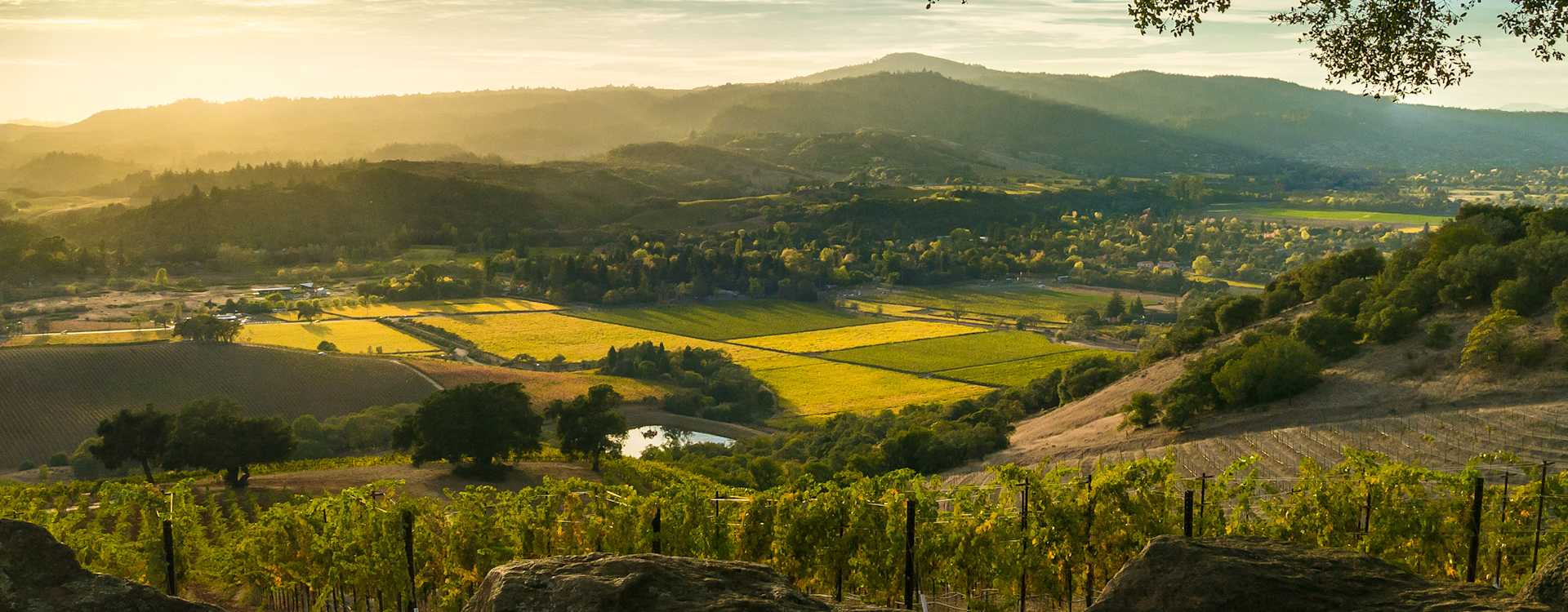
On the far western edge of the larger Sonoma Coast appellation, the Fort Ross-Seaview AVA hugs right up against the Pacific coast. Vineyards, planted at rugged elevations between 920 to 1,800 feet, occupy only two percent of the total land in the AVA. Fort Ross-Seaview growers believe that the region boasts an ideal mix of sunshine, cool air and beneficial stress for producing high quality Chardonnay and Pinot noir.