


Winemaker Notes
The 2018 Hirsch East Ridge Estate Pinot Noir is a selection of the very best barrels from the finest and most expressive blocks on the East Ridge. Years of intense biodynamic soil care and an end to California’s five-year drought have helped restore vigor and energy to the old vines. The result is wines of greater fruit intensity than the prior years, complimented by the supple, masculine tannins that characterize the East Ridge Pinot Noir.
Professional Ratings
-
Wine Spectator
Powerfully fresh and crunchy, with plenty of minerality to the dried cherry and berry flavors that are backed by crisp acidity. Shows cedary notes and hints of juniper berry on the lithe finish. Best from 2022 through 2027.
-
Decanter
Smouldering, introspective nose of black cherry, red plum, cocoa and potting soil. The same characters are subsequently broad and mouthcoating on the palate, which has a spry, lifted finish. You could cellar this a few years to let it unwind. This site, with low-yielding, 30-year-old vines on steep slopes, has less oceanic influence than the rest of the property, producing the richest of the Hirsch single-block wines.
-
Jeb Dunnuck
Similarly hued, the 2018 Pinot Noir East Ridge has a slightly more mineral-laced, marine, and savory earth-driven bouquet that includes plenty of ripe red fruit, forest floor, and spring flower-like aromas and flavors. It’s vibrant, racy, and nicely focused on the palate, with good acidity, building minerality, and a great finish. It’s certainly a racier, more vibrant style of wine compared to the East Ridge and will benefit from short-term bottle aging. It has a kiss of background oak as well, but that will integrate with a year or two in the cellar. It’s another Burgundian, complex, age-worthy wine from this estate.
-
James Suckling
A really beautiful red with dried strawberry, subtle citrus and cedar with some walnut. Forest floor, too. It’s full-bodied, yet tensioned, very polished and focused. Lovely finish. A little tight now, yet very drinkable. But better after 2022.
-
Wine Enthusiast
Structured and wildly complex, this wine is just starting to reveal itself, offering a quiet wealth of juicy pomegranate, black tea and rocky tannin. Textured, it is both savory in nature and bursting in acidity, providing a lengthy freshness as it goes. Still, time in the cellar is recommended; enjoy best from 2025–2028.
Cellar Selection -
Robert Parker's Wine Advocate
Pale ruby in color, the 2018 Pinot Noir East Ridge opens with tones of laurel, bark, earth and tea leaves, with red berry fruits and lemon peel at the core. The light-bodied palate features earth-laced fruits with a soft, juicy frame and long finish.


Thin-skinned, finicky and temperamental, Pinot Noir is also one of the most rewarding grapes to grow and remains a labor of love for some of the greatest vignerons in Burgundy. Fairly adaptable but highly reflective of the environment in which it is grown, Pinot Noir prefers a cool climate and requires low yields to achieve high quality. Outside of France, outstanding examples come from in Oregon, California and throughout specific locations in wine-producing world. Somm Secret—André Tchelistcheff, California’s most influential post-Prohibition winemaker decidedly stayed away from the grape, claiming “God made Cabernet. The Devil made Pinot Noir.”
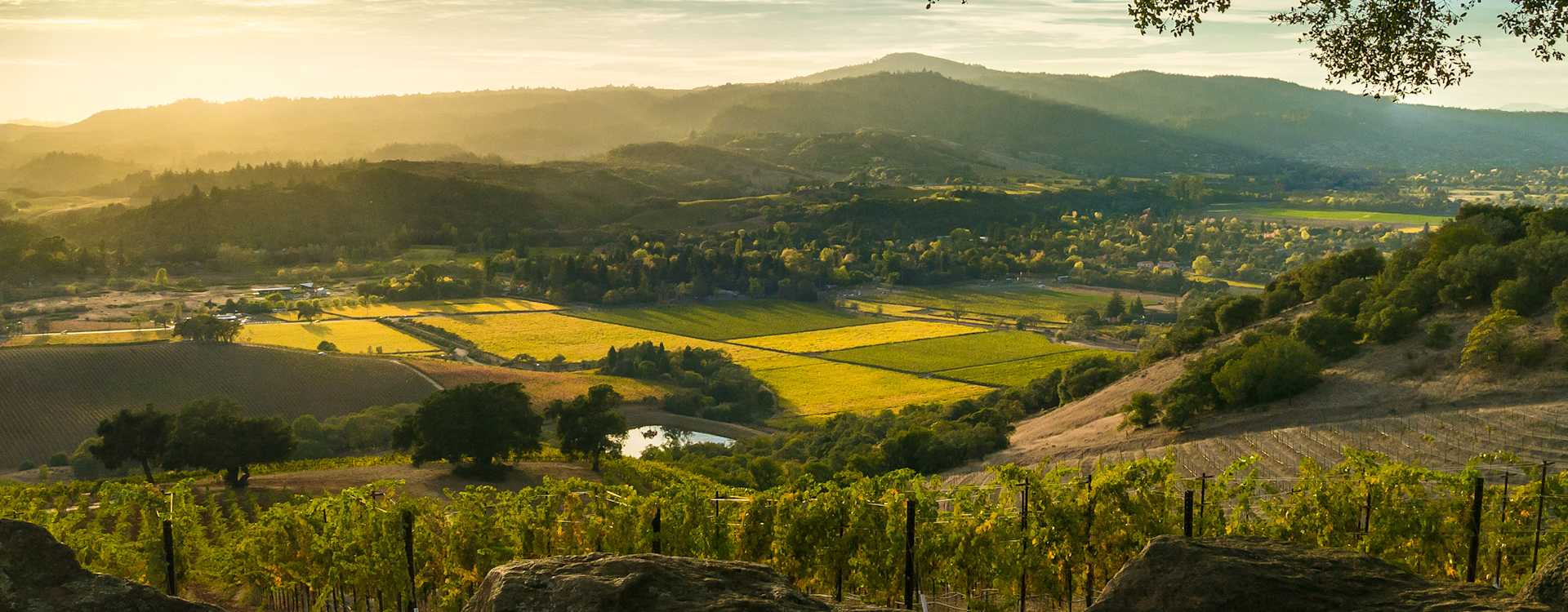
On the far western edge of the larger Sonoma Coast appellation, the Fort Ross-Seaview AVA hugs right up against the Pacific coast. Vineyards, planted at rugged elevations between 920 to 1,800 feet, occupy only two percent of the total land in the AVA. Fort Ross-Seaview growers believe that the region boasts an ideal mix of sunshine, cool air and beneficial stress for producing high quality Chardonnay and Pinot noir.